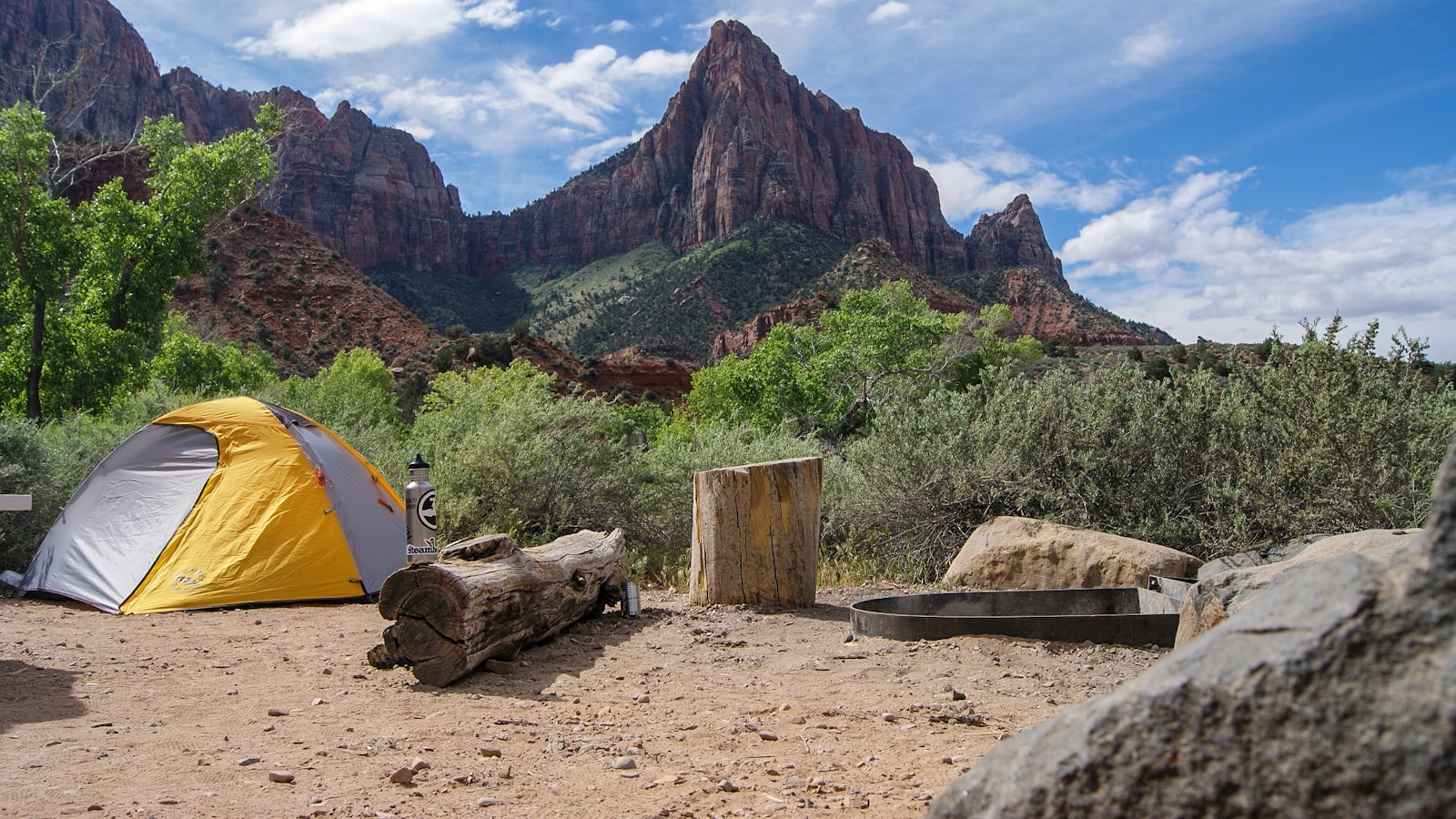
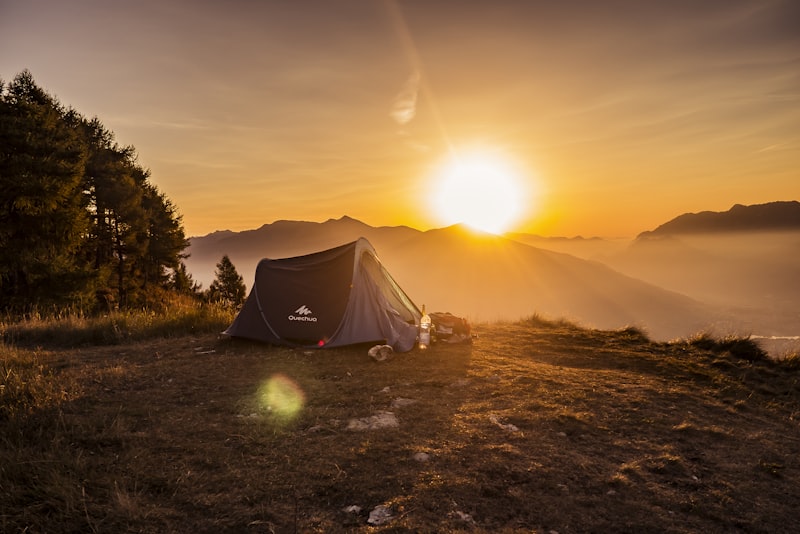
There's a particular misery to lying awake at 3 a.m., curled tight in a bag that's supposedly rated for the temperature, just plain cold. Most of the time it isn't bad luck or a faulty bag — it's a few fixable mistakes. Stay warm camping by understanding where your heat actually goes, and you can sleep soundly on nights that send other people packing.
Start from the ground up#
The cold you feel at night usually isn't coming from the air — it's coming from the ground. You lose an enormous amount of body heat by conduction into the cold earth beneath you, which is exactly why a sleeping pad matters as much as your bag. A pad's job isn't cushioning; it's insulation, putting a buffer between your warm body and the heat-sucking ground.
Pads are rated by R-value, a measure of how well they resist heat loss. The higher the number, the warmer the pad. For cold nights, look for an R-value of around 4 or more, and remember you can stack pads — a closed-cell foam pad under an inflatable one adds insulation and protects against punctures. Many people who blame their bag for a freezing night were really being chilled from below the whole time.
Inside the tent, keep your sleeping area off bare ground with a footprint or groundsheet, and don't let your bag get pushed flat against the cold tent wall, where it loses loft and lets the chill in. The fix for a cold night often isn't a warmer bag at all — it's better insulation underneath you.
Layer like you mean it#
Warmth is about trapping air, and layers do that better than any single thick garment. Build from a moisture-wicking base layer, add an insulating mid-layer like fleece or down, and finish with a wind- or rain-shell when needed. The beauty of layers is control: you add and shed them as your activity and the temperature change, instead of swinging between sweaty and shivering.
Never reach for cotton when it's cold. It soaks up sweat and condensation, holds the damp against your skin, and pulls heat out of you fast — wet cotton is a cold-weather hazard, not a comfort. Wool and synthetics keep insulating even when damp, which is why experienced campers swear by them.
Being damp is the enemy of being warm — so manage sweat as carefully as you manage the cold, and never let yourself go to sleep in clothes you've sweated through.
Don't neglect the extremities. A surprising amount of heat escapes from an uncovered head, so a warm beanie does real work, and dry socks plus a buff or neck gaiter close off the other big leaks. Change into dry sleep-only layers before bed — climbing into your bag in the clothes you sweated in all day traps moisture and steals your warmth all night.
Warm up before you tuck in#
A sleeping bag doesn't make heat — it traps the heat you bring into it. Crawl in already cold and you'll lie there for hours waiting to warm up that may never come; crawl in warm and the bag does its job. So generate a little heat right before bed. A short walk, some jumping jacks, or a few minutes of moving around gets your blood going and pre-warms the bag.
Fuel matters too. Your body produces heat by digesting food, so eat a solid dinner and keep a snack handy — a bite of something before sleep gives your metabolism fuel to burn through the night. Stay hydrated as well, since a dehydrated body regulates temperature poorly, though you'll want to taper fluids near bedtime so a cold trip to the bushes doesn't undo all your work.
A few small tricks help. Fill a sturdy water bottle with warm water and tuck it into your bag near your core or feet for a portable heat source. Cinch the bag's hood and draft collar so warm air can't escape around your shoulders. And here's the counterintuitive one: don't bury your face inside the bag — breathing into it dumps moisture into your insulation and slowly chills you. Keep your nose in the fresh air and the bag's warmth where it belongs.
Keep moisture out of your tent#
Condensation is a quiet thief of warmth. Through the night your breath releases a lot of moisture, and in a sealed tent that water condenses on the inner walls and can drip onto your bag, where damp insulation loses much of its warming power. The fix feels wrong but works: ventilate. Crack the vents or a mesh window so humid air escapes instead of soaking everything you own.
Pitch a taut rainfly that doesn't touch the inner tent, leaving an air gap for condensation to run off the outside. Keep wet boots, jackets, and gear in the vestibule rather than inside, where they'd add their dampness to the air. A slightly cooler, drier tent will keep you far warmer over a full night than a sealed, humid one that turns your bag clammy by dawn.
Put it together and sleep soundly#
None of this is complicated, and no single trick does it alone — staying warm is the sum of small habits stacked together. Insulate hard from the ground, layer in wool or synthetic and stay dry, warm yourself up and fuel up before bed, and vent the tent so moisture can't undo your work. Do those four things and a cold forecast stops being something to fear.
The reward is real. Once you can sleep warm, the shoulder seasons open up — crisp, quiet nights with no bugs and no crowds, when the best campsites are empty and the stars are sharp. Cold nights aren't a reason to stay home; they're a reason to pack a little smarter and go further outside.