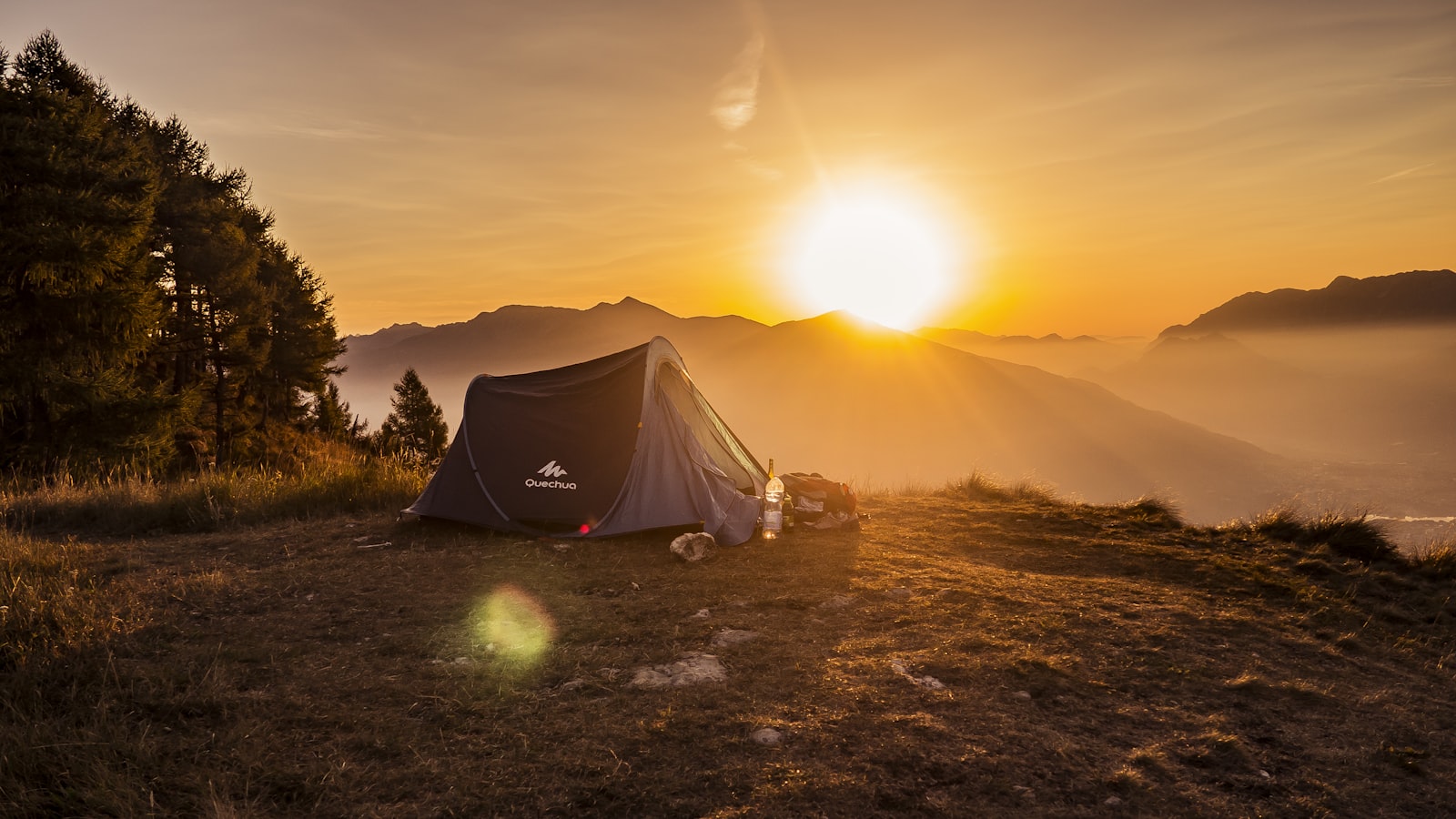
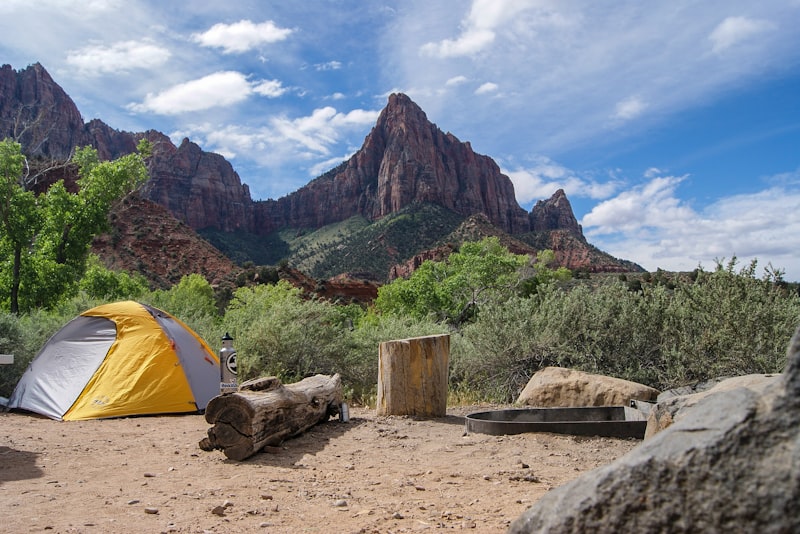
The fastest way to ruin a first camping trip is to either forget something essential or drown yourself in gear you'll never use. The sweet spot is a short, honest list of things that earn their place in the car. Here's what actually matters, grouped so you can pack with confidence and leave the gimmicks on the shelf.
The non-negotiables: shelter, sleep, water, warmth#
Before you think about camp chairs or marshmallow forks, lock down the four things that decide whether your night is good: a place to sleep, decent rest, clean water, and staying warm. Get these right and almost nothing else can ruin the trip.
For shelter and sleep you need a tent that fits your group with a bit of room to spare, a sleeping bag rated at or below the night's expected low, and a sleeping pad. Beginners skip the pad to save money and regret it every time — it's not about cushioning, it's about insulation. The cold ground pulls heat out of your body all night, and the pad is what stops it. A bag without a pad will leave you shivering even on a mild evening.
For water, find out whether your campground has a potable tap. If it does, bring jugs to fill. If it doesn't, carry everything you'll need: plan on roughly two to four liters per person per day for drinking and cooking, and more in heat or at altitude. If there's any chance you'll need to draw from a stream or lake, pack a filter or purification tablets and know how to use them — untreated water can carry bugs that end a trip miserably. For warmth, the rule is layers — an insulating mid-layer and a rain or wind shell beat one bulky coat, because you can add and shed them as the temperature swings.
Cotton is the fabric to leave at home for anything beyond a warm, dry afternoon. It soaks up sweat and rain, holds the damp against your skin, and chills you fast — the old saying "cotton kills" is grim but earns its place. Reach for wool or synthetic layers that keep insulating even when they're damp.
Pack for the temperature swing, not the average. Mornings can be near freezing while afternoons are pleasant, so bring an insulating layer, a rain jacket, a warm hat, and several pairs of dry socks. Dry socks are a small luxury that feels enormous at the end of a wet day. Closed-toe shoes you don't mind getting dirty handle camp chores and uneven ground far better than sandals.
Whatever the forecast says, pack one warm layer and one rain layer you don't expect to need — they weigh little and have saved more trips than any gadget.
Sleepwear deserves a mention: change into dry clothes set aside just for sleeping. Climbing into your bag in the sweaty layers you wore all day traps moisture and makes you cold, while fresh dry layers help you actually warm up.
You will be moving around after dark, so a headlamp is not optional — and it beats a flashlight because it leaves both hands free for cooking, tent zippers, and finding the bathroom. Bring spare batteries and a backup light, because a dead headlamp turns a simple trip to the water tap into a stumble.
Keep the kitchen simple for a first trip. A cooler with ice handles your perishables, and a single-burner stove plus a pot covers a hot meal — but plan at least one meal you'd happily eat cold, so a failed stove is an inconvenience rather than a hungry night. Round it out with these high-value extras:
- A reliable lighter plus waterproof matches as backup
- A small knife or multi-tool
- Trash bags to pack out everything you bring in
- A spork, a cup, and a bowl per person
- Biodegradable soap and a small towel
That's a real camp kitchen. You don't need a folding table and a twelve-piece cookset to eat well outside, and the lighter your kit, the less time you'll spend packing and the more you'll spend actually enjoying the place you drove out to see.
Safety, comfort, and the small things#
A genuine first-aid kit belongs in every pack — not a forgotten tin with two old plasters, but a current kit with bandages, antiseptic, blister care, pain relief, and any personal medications. Know roughly what's in it before you need it. Add sunscreen and insect repellent, because sunburn and bug bites are the most common ways a fun day turns sour.
Bring navigation you can trust without a signal: a paper map or a screenshot of the campground, plus a charged phone and ideally a power bank. Tell someone at home where you're going and when you'll be back — it's the cheapest safety measure there is, and it costs nothing but a text. The comfort extras are genuinely optional but small and worth it: a camp chair, a pillow or a stuff sack to stuff with clothes, and a book for the quiet hour before sleep.
Pack it, check it, then go#
The single best habit is to lay everything out on the floor at home and tick it off this list before it goes in the car. A bag you packed deliberately beats a clever setup you assembled from memory at the trailhead, and the floor reveals the gap — the missing tent pole, the bag still in the closet — while you can still fix it.
Keep the list, and update it after each trip with what you wished you'd brought and what you never touched. Within a few outings you'll have a personal kit that's lean, complete, and yours — no second-guessing, no forgotten essentials, just the quiet confidence of knowing you're set. That confidence is what gets you out the door again, which is the whole point.