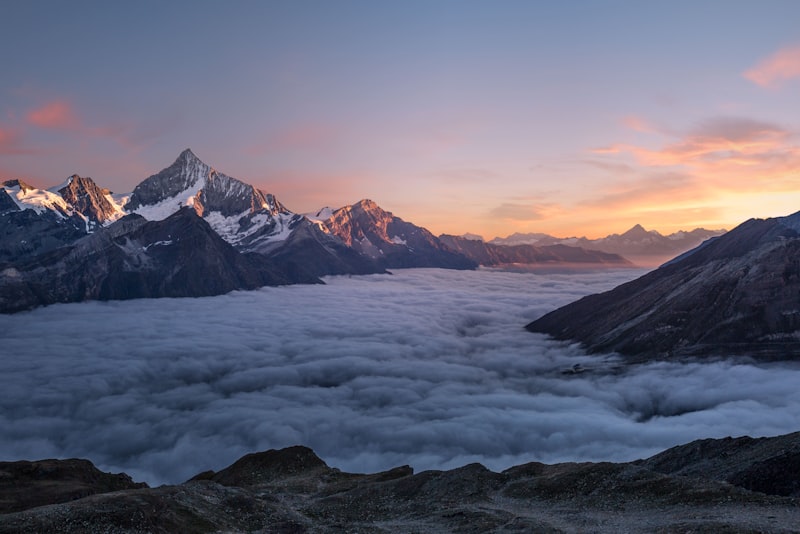
A multi-day trek is one of the most rewarding things you can do outdoors, but it asks far more of you than a day hike ever will. Out there, small oversights compound: a poorly planned water carry, a navigation guess, or legs that were not ready. Preparation is what turns a hard, beautiful trip into a safe one, and it starts weeks before you reach the trailhead.
Train Your Body Before the Trail Trains It#
The single biggest mistake new trekkers make is underestimating the cumulative toll of carrying weight, day after day, over rough ground. Your body needs time to adapt, and that adaptation cannot be crammed. Start building fitness at least six to eight weeks out, ideally longer if you are coming from a sedentary baseline.
Focus on hiking specifically, not just general cardio. Load a pack with gradually increasing weight and walk hills, stairs, or trails until your trek-day load feels manageable. Aim to comfortably cover, in a single training day, close to the distance and elevation gain of your hardest planned day. Your feet, knees, and shoulders all need this rehearsal as much as your lungs do.
Do not neglect the descents. Going downhill for hours under a heavy pack punishes quads and knees in ways uphill training never reveals. Practice long descents, work on balance and ankle strength, and break in your boots fully so blisters do not derail you on day one. The goal is to arrive at the trailhead already confident your body can do the work.
Recovery matters as much as effort. Multi-day trekking means doing it all again tomorrow on tired legs, so train back-to-back days occasionally to learn how your body handles cumulative fatigue. Pay attention to sleep, hydration, and how quickly soreness fades, because those signals tell you whether you are ready or whether you need a few more weeks. Building slowly also protects against the overuse injuries that quietly end so many ambitious trips before they start.
Master Navigation You Can Trust#
On a multi-day trek you may travel far from marked trails, signage, and any chance of a quick rescue. Knowing where you are and how to get to your next camp or water source is a core safety skill, not an optional extra. Relying on a single phone app is a gamble; batteries die, screens crack, and signal disappears.
Learn to read a topographic map and use a compass, and carry both as your reliable backup. Practice on familiar terrain first, where a mistake costs nothing, until orienting the map and following a bearing feels natural. Then add a dedicated GPS device or a phone with downloaded offline maps, and carry the power to keep them alive: a battery bank, conservative screen habits, and a plan for cold weather that drains batteries fast.
Navigation is not something to learn for the first time when you are tired, cold, and unsure which valley leads home. Build the skill in low stakes so it is automatic when the stakes are high.
Before you leave, study your route in detail. Know your daily distances, where you will find water, where the terrain gets technical, and where you could bail out early if weather or injury forces a change. A trek you understand on paper is one you can adapt to safely in the field.
Dial In Gear, Food, and Water#
Multi-day trekking is a constant balance between carrying enough to be safe and comfortable, and carrying so much that the weight wears you down. Plan your gear by function: shelter, sleep, warmth, cooking, navigation, first aid, and emergency communication. Lay everything out, weigh your pack, and question each item, but never cut the essentials that keep you safe in bad weather.
Food and water demand the most planning because you carry every calorie and, often, every liter. Map your water sources against your route and know how you will treat what you collect, whether by filter, chemical drops, or boiling. For food, plan roughly by the day: enough dense, appealing calories to fuel hard effort, plus a little extra in case you are delayed. A few practical anchors before you pack:
- Pack one clearly portioned bag of food per day so you can see at a glance that you have enough.
- Carry a reliable water treatment method plus a backup, since a clogged filter far from town is a serious problem.
- Bring a small repair kit and the knowledge to use it, because a broken pack strap or torn shelter can end a trip otherwise.
Test everything at home or on an overnight first. The backcountry is the wrong place to discover your stove leaks or your sleeping bag is too cold for the elevation. A single shakedown overnight close to home will surface most problems while they are still easy and cheap to fix, and it builds the muscle memory of setting up camp, cooking, and packing efficiently.
Pay particular attention to your feet and your sleep system, the two things most likely to make or break the trip. Well-fitted footwear, proper socks, and a blister kit prevent the small wounds that turn into trip-ending agony, while a warm, dry night restores the energy you will burn the next day. Comfort here is not a luxury; it is what keeps you safe and capable mile after mile.
Share Your Plan and Build In Margin#
No matter how prepared you are, the most important safety step costs nothing: tell someone exactly where you are going and when you will be back. Leave a written itinerary with a trusted person, including your route, planned campsites, expected return time, and a clear instruction about when to call for help if they do not hear from you.
Consider carrying an emergency communication device such as a satellite messenger or personal locator beacon, especially where there is no cell coverage. It will not prevent trouble, but it can summon help and let your contact know you are safe, turning a potential tragedy into an inconvenience.
Finally, build margin into the whole plan. Carry an extra day of food, choose conservative daily mileage for your first few treks, and give yourself permission to turn back. The mountains reward humility far more than ambition. Weather can shift, bodies can falter, and the strongest decision is often the cautious one. Prepare your fitness, sharpen your navigation, pack with intention, and leave your plan behind, and a multi-day trek becomes exactly what it should be: a demanding, unforgettable way to go further outside, with the confidence that you will come home to tell the story.