Some of the best moments outdoors are the ones we want to hold onto, and a photograph is how we carry them home. You do not need expensive gear or technical mastery to make images that move you; you need light, patience, and an eye for the story unfolding in front of you. This is a gentle guide to photographing your adventures in a way that deepens, rather than interrupts, the experience.
Let the Light Lead You#
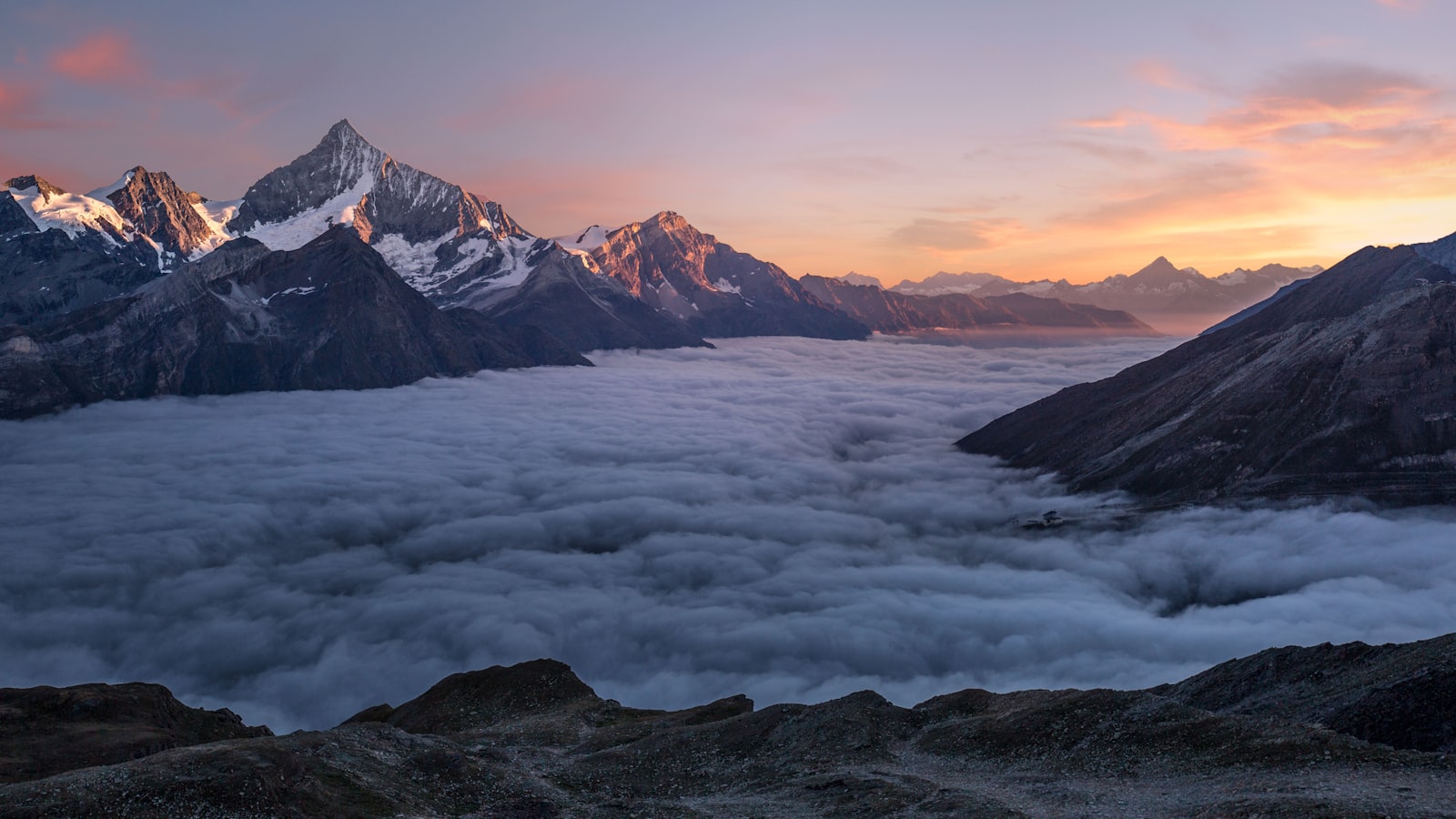
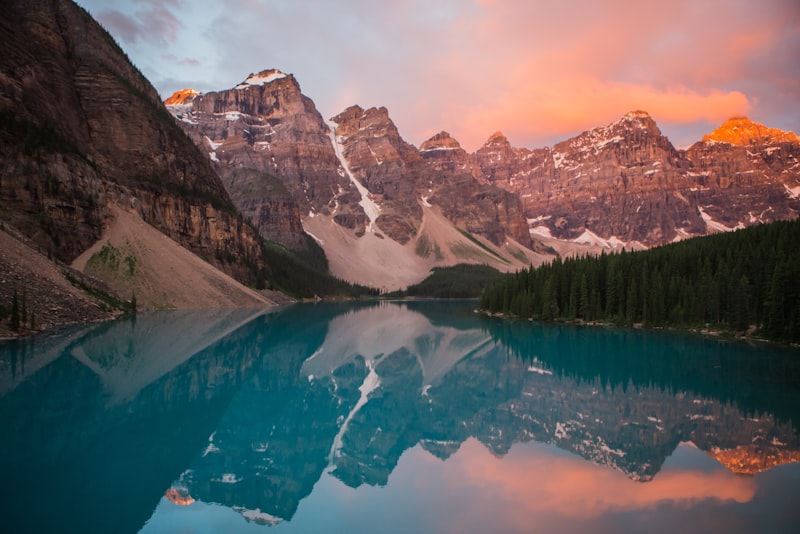
If you remember only one thing about outdoor photography, let it be this: light matters more than your camera. The same mountain that looks flat and harsh under midday sun becomes magical in the golden glow of early morning or late evening. Photographers call those hours the golden hour, and they are worth setting an alarm for.
Soft, low-angle light wraps around the landscape, deepens colors, and casts long shadows that give your photos a sense of depth and mood. Overcast days are quietly wonderful too, acting like a giant softbox that flatters forests, waterfalls, and faces alike. Harsh noon sun is the hardest light to work with, so if you are out then, look for shade, shoot details instead of grand vistas, or simply enjoy the hike and save the camera for later.
Pay attention to the direction of light, not just its quality. Front light is easy and even; side light reveals texture in rock and bark; backlight can create glowing halos and dramatic silhouettes. Walk around your subject and watch how it changes. Often the best shot is just a few steps to one side of where you first stopped.
Compose With Intention#
A strong composition turns a snapshot into an image worth keeping. The simplest place to start is the rule of thirds: imagine your frame divided into a grid of nine, and place your key subject or the horizon along those lines rather than dead center. Most phones and cameras can overlay this grid to help you practice.
Foreground is your secret weapon outdoors. A cluster of wildflowers, a weathered log, or a rock in a stream gives the eye somewhere to enter the scene and makes a flat landscape feel three-dimensional. Get low and close to that foreground, and suddenly an ordinary view gains depth and presence.
The most common reason an outdoor photo feels disappointing is not the gear or the light; it is that the photographer stood too far back. Move closer, simplify the frame, and let one clear subject carry the image.
Look for natural lines that lead the viewer's eye through the picture, like a trail curving into the distance, a river snaking through a valley, or a ridge climbing toward a peak. These leading lines create a sense of journey that suits adventure photography perfectly. And remember that empty space is not wasted; a small figure against a vast landscape tells a powerful story about scale and solitude.
Tell the Story, Not Just the Scene#
Grand vistas are tempting, but the photos you will treasure most are usually the ones with a story in them. Years from now, you may not remember exactly how the canyon looked, but you will remember your friend laughing at camp, the steam rising off morning coffee, or muddy boots drying by the fire. Shoot those moments too.
Think like a storyteller gathering a range of images rather than one perfect postcard. Capture the wide establishing shot, but also the small details and the human moments in between. A few kinds of frames work together to tell a fuller tale:
- The wide shot that sets the scene and shows where you were.
- The detail shot of texture, a map, a wildflower, or a hand on cold rock.
- The candid moment of people in motion, reacting, resting, or simply being there.
Including people, even just a silhouette or a figure on the trail, gives your landscapes scale and emotion. Let your companions be themselves rather than posing stiffly; the genuine, unguarded moments almost always make the best photographs. The goal is not a flawless gallery but an honest record of what the day actually felt like.
Work With the Camera You Have#
It is easy to believe better photos require better equipment, but the truth is more freeing: the best camera is the one you have with you and actually use. Modern phones are remarkably capable, and a photographer who knows their humble camera well will outshoot a beginner fumbling with an expensive one every time.
Learn a few basics of whatever you carry. Understand how to lock focus and exposure, how to brighten or darken a shot, and how to keep the lens clean and steady. If you shoot on a phone, explore its built-in tools rather than chasing new gear. If you use a dedicated camera, practice at home so the settings become second nature outdoors, where cold fingers and changing light leave little time to fiddle.
Keep your camera accessible so you do not miss fleeting moments, but do not let it run the show. Sometimes the right move is to lower the lens, watch the sunset with your own eyes, and trust your memory to hold what no photo could. The best adventure photographers are present first and photographers second.
Bring It Home and Keep Going#
Once you are back, spend a little time choosing and gently editing your favorites. A modest crop, a touch more contrast, or a small brightness lift can elevate a good photo, but aim to enhance the real scene rather than invent a false one. Honest images age better and mean more.
Most of all, be patient and keep practicing. Every great outdoor photographer has thousands of forgettable frames behind their handful of keepers. Each hike is a chance to notice light a little sooner, frame a scene a little better, and tell your story a little more clearly. Carry your camera, stay curious, and let photography become one more reason to slow down and go further outside.