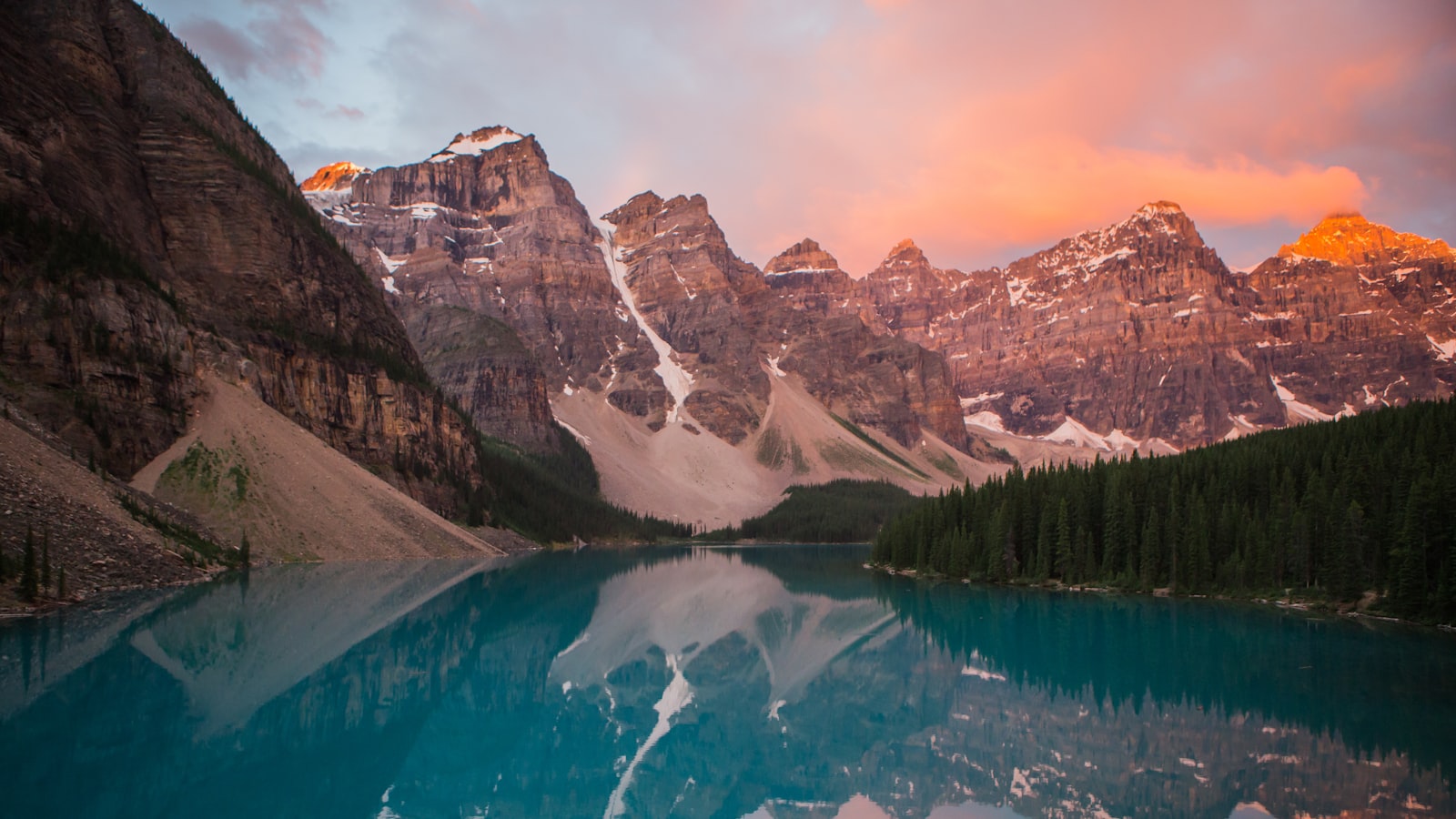
The best hike of your month might be twenty minutes from your door, and you've probably never heard of it. We're wired to chase the famous trailheads, but most great hiking happens on quieter local trails that never trend. Learning to find them turns every free morning into an opportunity.
Look Where Other People Don't#
When most folks think "hike," they picture a national park, and then they don't go because the park is three hours away. The fix is to widen your definition of where trails live. Public land near you comes in many flavors, and each is managed by a different agency with its own trail network.
Beyond the headline parks, check for state and regional parks, county and city open-space preserves, national forests and grasslands, wildlife refuges, nature conservancies, and land trusts. Many cities also have surprisingly substantial greenway and ridge-trail systems threading through neighborhoods. Each of these agencies usually maintains its own website with maps and trail listings, and that's often where the quiet gems hide, the trails that don't appear on the first page of search results.
A simple move: search for the land-management agencies that operate near you, then browse what they manage directly. You'll find trails that the popular apps under-feature simply because fewer people log them.
Local sources count, too. A visitor center, an outdoor shop, or a regional hiking club often knows about trails that never make it onto a national app, plus the small details that matter: which lots fill first, where the wildflowers peak, which paths turn to mud after rain. A few minutes of conversation with someone who hikes the area regularly can be worth more than an hour of scrolling. Local outdoor groups and online community forums are another underrated way in, since the people there are walking these trails every weekend and reporting back.
Use Trail Apps, but Use Them Critically#
Crowdsourced trail apps and websites are the fastest way to scan options nearby. They let you filter by distance, elevation gain, difficulty, dog-friendliness, and whether a trail is a loop or out-and-back, which is exactly the kind of sorting that helps you match a hike to your day and your fitness.
Treat their data as a strong lead, not gospel. Difficulty ratings are subjective and inconsistent between platforms. Distances and elevation figures can be slightly off. And a five-star trail with hundreds of reviews is often five stars because it's crowded and easy to reach, not because it's the best walk in the area. Use the filters to build a shortlist, then dig deeper on each candidate.
An app can tell you a trail exists. Only recent, on-the-ground reports tell you whether it's a good idea today.
The single most valuable thing in these apps is the recent reviews and photos. Sort by newest and read what people actually encountered: a washed-out bridge, an overgrown section, a closed lot, deep snow, aggressive bugs, a sketchy ford. Conditions change with weather and season, and a trail that was perfect in spring can be a muddy slog or a fire closure by late summer.
Match the Hike to the Day You Have#
Finding a trail is easy; finding the right trail for this particular outing is the real skill. Before you commit, run a quick mental checklist:
- How much time do I actually have, including driving both ways?
- What distance and elevation gain suit my energy and fitness today?
- What's the weather doing, and how exposed is this trail to sun, heat, or storms?
- Is the trailhead easy to reach and park at, especially on a weekend?
- Am I comfortable with the terrain, or does it need skills I don't have yet?
This is also where you decide between a relaxed out-and-back and a more committing loop. If you're unsure of your stamina or new to an area, the out-and-back wins: you can turn around whenever you like. The point isn't to find the most impressive trail on the map. It's to find one you'll finish glad you went.
Verify Before You Go#
Once you've picked a trail, do a final pass on the official source. Apps and blogs lag behind reality; the agency that manages the land does not. Check their current pages for closures, permit or reservation requirements, parking details, fees, and seasonal access, because all of these vary by location and change throughout the year. I won't quote specifics here for that exact reason, conditions move too fast.
Then handle the basics that keep a day hike a good story instead of a rescue. Tell someone your route and return time. Carry water, a snack, a layer, sun protection, and a way to navigate without cell service, since coverage near trails is often poor. Check the forecast the morning of, and be willing to swap your plan or turn back if conditions sour. None of this is dramatic; it's just the quiet discipline that lets you keep hiking for decades.
It's worth being a little skeptical of any single source, including a trail that looks perfect on a map. Satellite imagery can hide how steep or overgrown a route really is, and a path that existed five years ago may be closed, rerouted, or reclaimed by the landscape today. When two sources disagree, trust the official one and the most recent one. When you genuinely can't tell, pick the more conservative option and save the questionable trail for a day when you have time, daylight, and energy to spare.
Build Your Own Local List#
The hikers who always seem to know a perfect spot aren't lucky. They've slowly built a personal map of nearby trails, sorted in their heads by length, difficulty, and season. You can do the same. Each time you find a good one, note what made it work, the views, the solitude, the easy parking, and which conditions suited it.
Start this weekend with something close and modest. Pull up the local agency pages, scan a trail app, read the recent reviews, and pick one that fits the hours and energy you've got. Do that a few times and you'll stop seeing your area as a place you have to escape to find nature. You'll realize you were standing in it the whole time.