The hardest part of your first camping trip isn't the cold ground or the lumpy sleep — it's the planning paralysis that hits before you've even left the driveway. The good news is that camping is far more forgiving than the gear ads suggest. Get a handful of basics right and the rest sorts itself out around a fire.
Pick somewhere small and close#
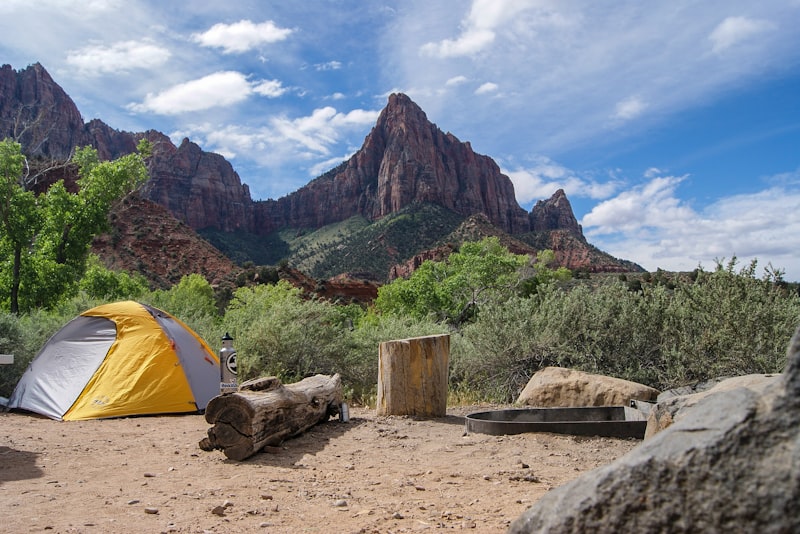
Your first trip is not the time to chase a remote alpine lake three hours up a trail. Choose a developed, drive-in campground within an hour or two of home. These sites usually have toilets, drinking water, picnic tables, and a neighbor close enough to ask for a spare lighter — all of which quietly remove a dozen ways for the night to go sideways.
Close also means you can bail without drama. If a storm rolls in or you simply hate it at 2 a.m., a short drive home is a safety valve, not a failure. Plenty of seasoned campers started by retreating to their own bed and trying again the next weekend. Going home is always allowed, and treating it as an option rather than a defeat takes a surprising amount of pressure off the whole night.
A close, familiar spot also lets you focus on learning the rhythm of camping rather than wrestling with logistics. You'll figure out how long setup really takes, how dark it gets, and how you sleep outdoors — knowledge that makes every future trip, near or far, run more smoothly.
Book ahead if you can. Popular campgrounds fill on weekends, and arriving to a "full" sign after a long drive is a sour way to begin. Most parks list reservations online, and a quick call to the ranger station will tell you about fire restrictions, water availability, and whether bears are a consideration where you're headed.
Sort food, water, and shelter first#
Beginners tend to obsess over gadgets and forget the three things that actually determine whether a trip is good: you need to sleep, drink, and eat. Handle those, and a trip is hard to ruin.
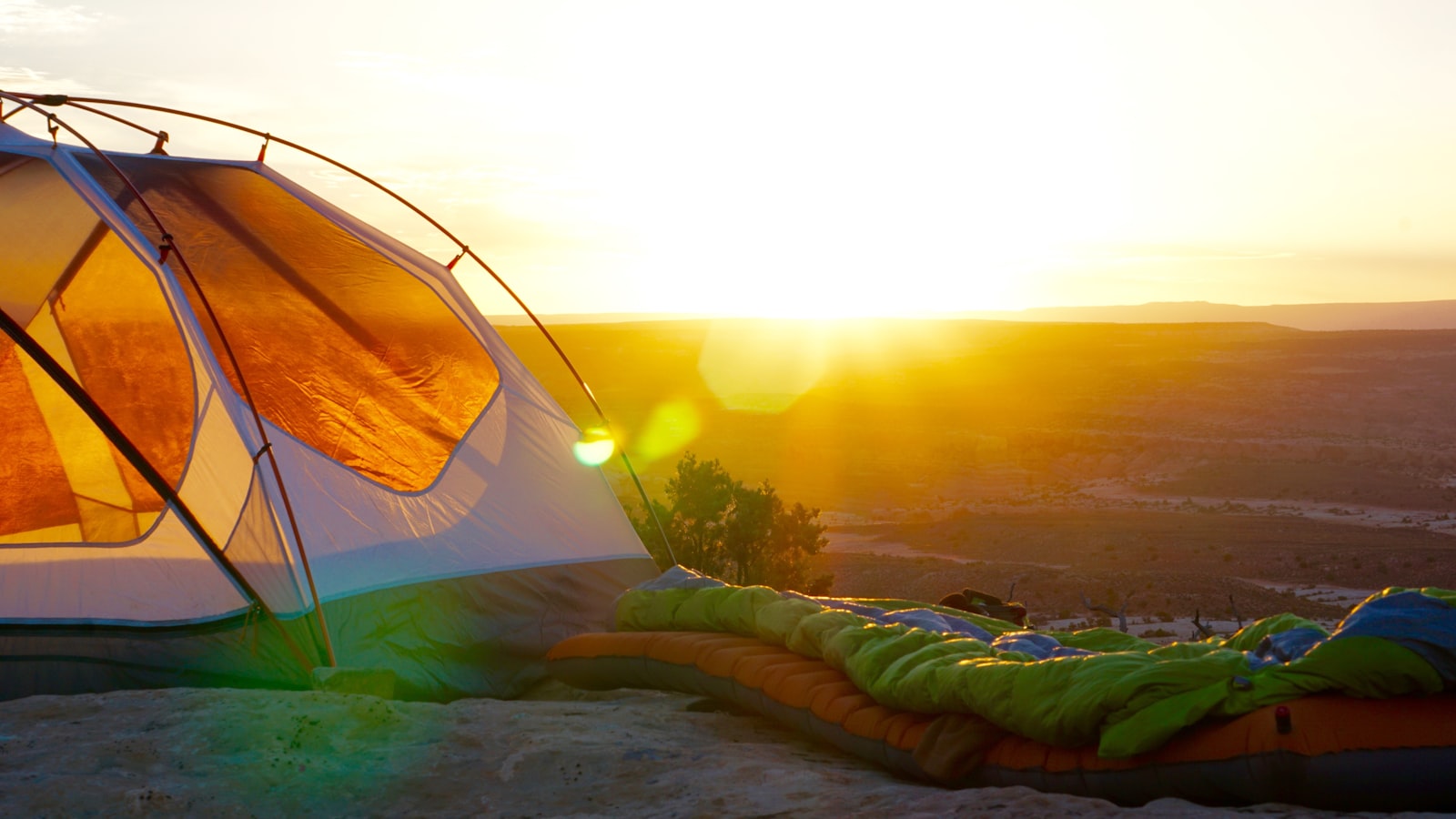
For shelter, you need a tent big enough for your group, a sleeping bag rated for the night's expected low, and a sleeping pad. The pad matters more than people expect — it insulates you from the cold ground, which is where most "I was freezing all night" stories actually come from. Practice pitching the tent in your yard once before you go; doing it for the first time in fading light with cold hands is genuinely miserable.
For water, confirm whether the campground has potable water. If it does, bring a couple of large jugs to fill. If it doesn't, bring all the water you'll need — roughly two to four liters per person per day for drinking and cooking, more in heat. For food, keep the first trip stupidly simple.
Plan meals you'd be happy eating cold, so a failed stove becomes a minor annoyance instead of a hungry night.
A cooler with sandwiches, fruit, and snacks plus one hot meal is plenty. You do not need a camp kitchen to be a real camper.
Build a packing list you can trust#
Write your list down rather than packing from memory — memory fails right when you're tired and excited. Keep it grouped so you can scan for gaps. Here's a starter set that covers most one-night trips:
- Shelter and sleep: tent, stakes, sleeping bag, sleeping pad, pillow or stuff sack
- Warmth and clothing: insulating layer, rain jacket, hat, dry socks, closed-toe shoes
- Light and tools: headlamp with spare batteries, lighter and backup, small knife
- Food and water: cooler, water jugs, simple meals, trash bags, a spork
- Safety and comfort: first-aid kit, sunscreen, bug repellent, phone, paper map or screenshot
Lay everything out at home before it goes in the car. A bag you packed and checked beats a clever ultralight setup you forgot half of. Layers beat a single heavy coat, because mornings can be cold and afternoons warm, and you want to add and shed warmth as the day changes.
Plan for weather, light, and the unexpected#
Check the forecast the day before and again the morning you leave, paying attention to overnight lows and the chance of rain. Mountains and valleys make their own weather, so treat the forecast as a guide, not a guarantee, and pack a rain layer even under blue skies. A wet sleeping bag is the fastest way to turn a fun night into a cold, sleepless one.
Mind the daylight. Aim to arrive with at least two hours of light left so you can pitch camp, find the water tap, and cook before dark. Setting up a new tent by headlamp is a rite of passage you can happily skip on trip one.
Tell someone at home where you're going and when you expect to be back. This single habit is the cheapest safety measure in camping. If something goes wrong, the difference between a quick response and a long wait is often just whether anyone knew your plan. Keep your phone charged, note where you last had signal, and don't rely on it for everything — a screenshot of the campground map and a paper backup cost nothing.
Keep it simple and go#
The campers who keep going outside aren't the ones with the most gear — they're the ones who had a manageable first night and wanted another. So resist the urge to make trip one impressive. Pick a close, easy spot, nail your sleep, food, and water, write your list down, and tell someone your plan. Everything else is detail you'll learn by doing.
You will forget something. Everyone does, every trip, forever. Treat the small mistakes as tuition rather than disasters, jot down what you'd change, and you'll be a noticeably better camper by your second trip. The wild places aren't going anywhere — go meet them one easy night at a time.