A great national park trip rarely happens by accident. The people who come home raving about it usually did one boring thing first: they planned. The good news is that planning a park trip is mostly a series of small, answerable questions, and once you work through them in order, the whole thing stops feeling overwhelming.
Start With Time, Not the Map#
It's tempting to open a map, fall for the most dramatic photo, and start booking. Resist that for ten minutes. The single biggest constraint on your trip is how many days you actually have on the ground, and that number quietly decides everything else.
A long weekend suits a single park you can reach in a few hours. A full week opens up flying somewhere, adjusting to altitude, and still leaving margin for weather. Be honest about travel days, too: a park that's a six-hour drive each way turns a three-day trip into one real day of hiking.
Once you know your window, match it to a season. Many parks have a short, glorious peak and a long shoulder season that's quieter, cheaper, and sometimes safer. High-elevation trails may not be snow-free until midsummer, and desert parks can be dangerously hot at the same time. Decide what kind of trip you want first, then find the park that delivers it during your dates.
It also helps to be honest about who's coming. A trip with young kids, an older relative, or a friend who's new to hiking is a different animal from a fast-and-light solo trip, and the right park flexes to fit the group. Some parks reward a slow, scenic, drive-and-stroll style; others only reveal themselves to people willing to walk for hours. Pick one whose best experiences sit comfortably within your group's range, and nobody spends the trip feeling either bored or in over their head.
Lock Down Permits, Reservations, and Access#
This is where unplanned trips fall apart. A growing number of popular parks use timed-entry reservations, lottery systems for famous trails, or limited backcountry permits, and these often open weeks or months ahead. Miss the window and you may not get in at all on the day you want.
Sort out the big rocks early, in roughly this order:
- Entry reservations or timed-entry permits for the park itself
- In-park lodging or campsites, which book out first
- Special-use permits for marquee hikes, canyons, or overnight backcountry trips
- Nearby gateway-town lodging as a fallback if the park is full
Rules, fees, and reservation systems change every year and vary by park, so I won't quote specifics here. Go straight to the park's official website and read the current pages on entry, permits, and conditions. Treat third-party blogs (including this one) as a starting point, never the final word.
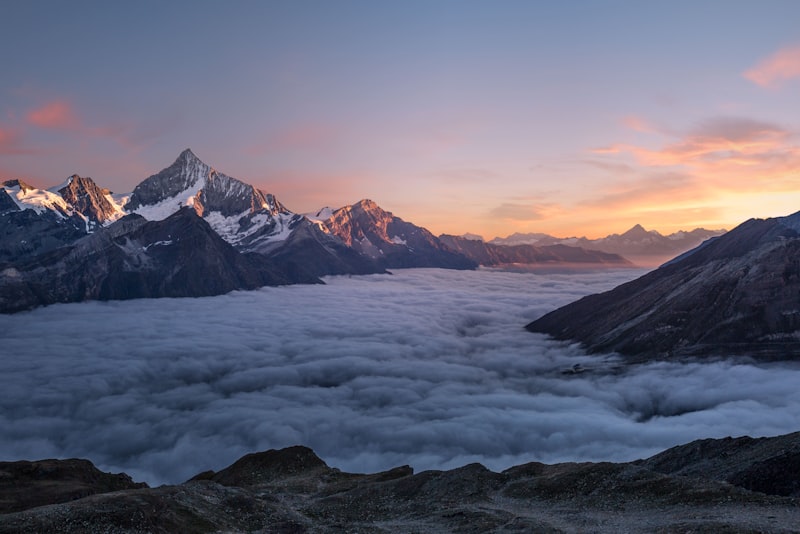
The mountains don't reward the most aggressive plan. They reward the one that left room for the day to go sideways.
Build a Day Plan You Can Actually Follow#
With access secured, sketch a loose itinerary. Notice the word loose. A schedule packed corner to corner looks productive on paper and falls apart the moment a trailhead lot is full or a thunderstorm rolls in by early afternoon.
For each day, pick one anchor: a signature hike, a scenic drive, a sunrise viewpoint. Then add a couple of lighter, flexible options around it. If your anchor is a strenuous all-day hike, don't schedule a second big one right after. Honest fitness math matters here. A trail's distance tells you only part of the story; elevation gain, exposure, altitude, and trail surface can turn a "short" hike into a long, punishing day.
Plan to start early. The most popular trailheads fill before breakfast in peak season, and afternoons bring heat, crowds, and storms. An early start buys you parking, cooler temperatures, and a buffer if anything runs long.
Build in genuine downtime, too. The temptation is to treat every hour as a chance to see one more thing, but the parks people remember fondly are usually the ones where they slowed down: an unhurried lunch at a viewpoint, an evening watching the light change, a lazy morning instead of a sunrise alarm. Leaving gaps in the plan isn't wasted time. It's what separates a trip from a checklist, and it's the margin that lets you say yes when a ranger mentions a quieter trail or a local points you toward something the guidebooks missed.
Pack and Prepare for the Conditions You'll Meet#
Your gear list should follow your itinerary, not a generic checklist. A paved viewpoint loop and a remote alpine traverse demand very different preparation, and the second one is where people get into trouble by treating it like the first.
Cover the basics every time you leave the car: more water than you think you need, layers for a temperature swing, sun protection, a headlamp, a basic first-aid kit, and enough food. Carry a paper map and a way to navigate that doesn't depend on a cell signal, because most parks have little to none. Tell someone your plan and your expected return time. If you're heading into the backcountry, learn the local hazards in advance, whether that's wildlife, water crossings, rockfall, or rapidly changing weather.
Check the forecast and current conditions the day before and the morning of. Parks regularly close roads, trails, and areas for fire, flooding, wildlife activity, or maintenance, and that information lives on official channels. Build the habit of checking them last, right before you go.
Leave the Park Better Than You Found It#
How you behave on the trail is part of the plan, not an afterthought. Stay on marked paths to protect fragile ground, pack out everything you carry in, keep a respectful distance from wildlife, and follow the established Leave No Trace principles. Parks are busy, and the cumulative effect of thousands of small choices is what keeps these places worth visiting.
Pace yourself, too. The goal of a park trip isn't to tick off every overlook; it's to come home tired in a good way, with the kind of memory that makes you want to go back. Plan the logistics tightly enough that you're free to be loose with the day, and you'll get exactly that. Do the boring part well, and the park takes care of the rest.