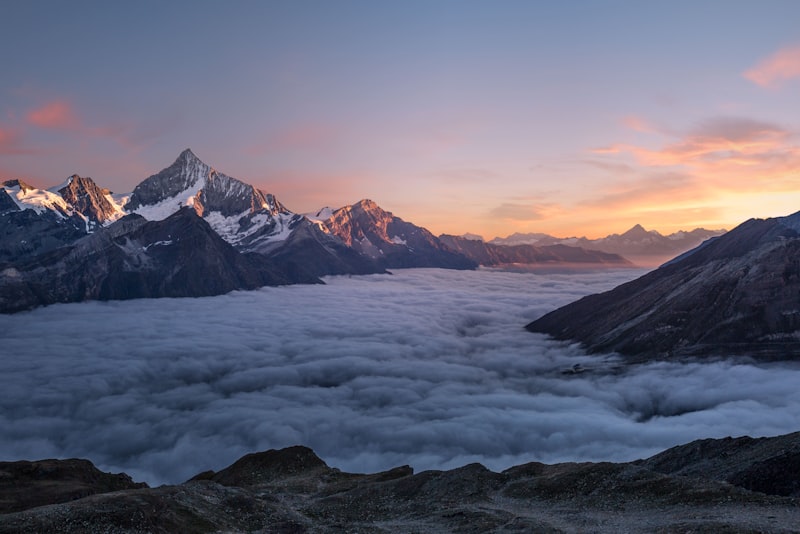
The outdoors feels endless, but the wild places we love are more fragile and more crowded than they appear. Every footprint, snack wrapper, and shortcut adds up across millions of visitors. Exploring responsibly is not about following rules for their own sake; it is about making sure the trail you walked today is just as alive and beautiful for whoever walks it tomorrow.
Plan Ahead So You Can Tread Lightly#
Responsible exploration begins long before you reach the trailhead. When you know the rules, the conditions, and your own limits, you make better choices in the moment instead of improvising in ways that harm the land or put you at risk. A little research is itself an act of stewardship.
Check whether your destination requires permits, has seasonal closures, or asks you to camp only in designated spots. These restrictions usually exist to protect nesting wildlife, recovering vegetation, or sensitive water sources. Knowing them ahead of time means you arrive ready to cooperate rather than caught off guard.
Good planning also keeps you self-reliant, which matters because needing rescue puts others at risk and disrupts wild places. Bring the right gear, food, water, and layers for the conditions, and tell someone your route and return time. A prepared visitor is a lighter burden on the landscape and on the people who would otherwise come looking.
Stay on the Path and Protect the Ground#
It is a small thing to step off a muddy trail or cut a switchback, but multiplied by every passing hiker, those small things carve scars that take years to heal. Soil compacts, plants die, and erosion widens the damage with every rainstorm. Staying on the established trail is one of the most powerful ways to protect a place.
When the trail is muddy, walk straight through the center rather than skirting the edges, even if it means wet boots. Detouring around puddles widens the path and tramples the vegetation holding the trailside together. Where there is no trail, such as on open rock or durable ground, spread out rather than following each other in a line, so no single track forms.
The wild looks resilient, but much of its beauty rests on living soil and slow-growing plants that a single careless season of foot traffic can undo. Walking thoughtfully is how we keep that beauty intact.
This care extends to where you camp and rest. Choose durable surfaces like rock, gravel, or established sites, and keep camp well back from lakes and streams so you do not erode banks or pollute the water. Fragile alpine meadows and desert crusts are especially slow to recover, so give them an extra wide berth.
Pack It Out and Leave It Be#
The clearest sign of a responsible visitor is that you cannot tell they were there. Whatever you carry in, carry out, and that includes the things people often rationalize leaving behind. An apple core or orange peel is still litter; it can take months or years to break down and teaches wildlife to seek human food.
Bring a bag for your trash and pick up any you find along the way, even if it is not yours. Plan a strategy for human waste before you go, whether that means using facilities, packing it out, or burying it properly far from water. These habits are not glamorous, but they are the backbone of keeping wild places clean.
Just as important is resisting the urge to take or alter what you find. Leave rocks, wildflowers, antlers, shells, and artifacts where they lie so the next person can discover them too. Do not build new rock cairns, carve into trees or stone, or rearrange the landscape for a photo. Nature curated itself long before we arrived, and it does not need our edits.
Share the Outdoors With Wildlife and People#
You are a guest in the homes of countless animals, and the kindest thing you can do is keep your distance. Observe wildlife with binoculars or a zoom lens rather than approaching, and never feed them. Animals that learn to rely on human food lose their natural wariness and often end up injured, sick, or destroyed because they became a danger.
Store your food securely, especially in bear country, and keep a respectful gap from any animal, more if it has young or shows signs of stress. If your presence changes an animal's behavior, you are too close. Giving wildlife room is both a courtesy and a safety measure for everyone involved.
Responsibility extends to the other people sharing the trail. A few simple courtesies make the outdoors welcoming for all:
- Keep noise down so others can enjoy the quiet that drew them outside in the first place.
- Yield thoughtfully on trails, step aside for those climbing, and keep dogs leashed where required.
- Follow local guidance and respect that different places have different rules for good reasons.
These small acts of consideration ripple outward, shaping a culture where everyone feels the outdoors belongs to them. The way you behave on the trail quietly teaches the people around you, especially newcomers and children, what good outdoor citizenship looks like.
Make Stewardship a Habit, Not a Chore#
Exploring responsibly can sound like a long list of restrictions, but in practice it quickly becomes second nature, a quiet awareness that travels with you on every trip. Once you start noticing the impact of your choices, treading lightly stops feeling like effort and starts feeling like respect.
You do not have to be perfect to make a difference. Pick up one piece of litter, stay on one muddy trail, give one deer its space, and you have already left the outdoors a little better than you found it. Multiply those choices across a lifetime of trips, and across everyone you inspire to do the same, and the impact is enormous. The wild places we cherish will only stay wild if those of us who love them choose, again and again, to protect them. Go further outside, and bring that care with you every step of the way.