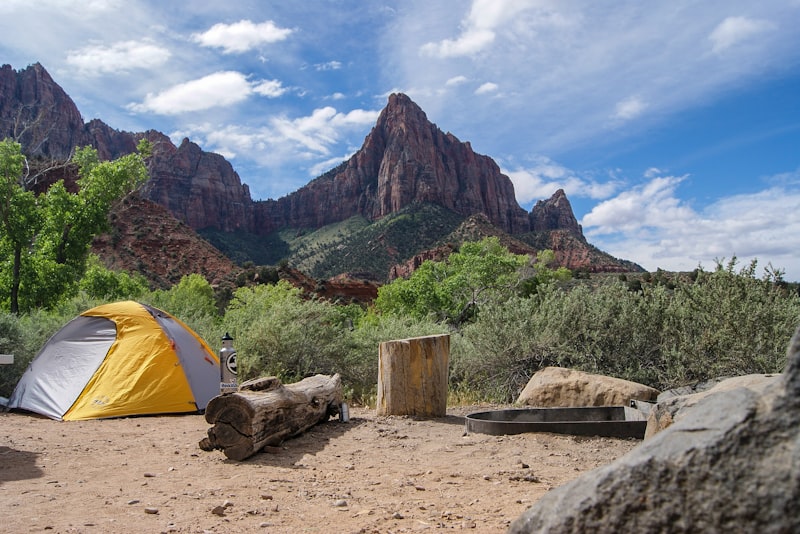
A good campfire is one of the quiet joys of a night outside, but it is also the single most dangerous thing most of us will do at camp. A fire that gets away from you can scorch a forest, close a region for a season, and put lives at risk. The good news is that building one safely is mostly about a handful of simple habits, done in order, every single time.
Check the Rules Before You Strike a Match#
Before you gather a single stick, find out whether you are even allowed to have a fire. Fire restrictions change constantly with weather, drought, and season, and they are not suggestions. Many wildfires that make the news started with a legal, ordinary campfire lit on a day it should never have happened.
Check the managing agency for the exact place you are camping: the national forest, park, state land, or campground office. Most post current fire conditions online, and many campgrounds post a sign at the entrance. Look specifically for the difference between a total ban, a restriction to established rings only, and a rule that allows fires only in designated fire pits or stoves. When in doubt, call the ranger district directly.
If there is an active fire ban or red-flag warning, do not light a fire of any kind. A stove or a cold camp is a small price to pay for keeping a landscape intact.
Pay attention to the wind, too. A breezy, dry afternoon can turn a stray ember into a problem in seconds, and no ring is rated for a gusting wind throwing sparks into dry grass. If conditions feel wrong, trust that instinct and skip it.
Choose and Prepare the Site#
Wherever it is legal, always use an existing fire ring if one is provided. Building new rings scars the ground, multiplies burn sites across a campground, and is prohibited in many areas. If you are dispersed camping where new fires are permitted, pick a flat, bare patch of mineral soil, well away from your tent, gear, and anything that can catch.
Look up as well as down. You want clear sky overhead, not a canopy of low branches that can ignite from rising heat. Clear a wide circle of anything flammable down to bare dirt, roughly a body-length across, and scrape away dry leaves, pine needles, and roots. Loose roots underground can smolder and travel surprisingly far, so this step matters more than it looks.
Before you build anything, stage your safety gear within arm's reach:
- A full container of water, plus a bucket if you can spare one
- A small shovel or sturdy stick for stirring and smothering
- A pair of gloves, and your phone with the local emergency number saved
Keep that water and shovel beside you the entire time the fire is alive. The most common mistake I see is people fetching water only once the fire is already a problem.
Build It Small and Light It Clean#
Gather three kinds of wood before you light anything. Tinder is the fine, dry stuff that catches a spark: dead grass, birch bark, dry pine needles, or a cotton ball smeared with petroleum jelly. Kindling is pencil-to-finger-thick dead twigs. Fuel wood is wrist-thick and larger. Collect dead and down wood only, never green or living branches, and never strip a standing tree. In many areas you are also required to buy firewood locally to avoid spreading invasive pests, so leave the wood from home at home.
A simple, reliable build is the teepee: a loose cone of tinder in the center, ringed by a small teepee of kindling, with a gap on the upwind side to let air in and to reach the tinder with your match. Light the tinder low and on the windward side so the flame climbs into the kindling. As it catches, feed progressively larger pieces, leaning them in gently. Resist the urge to make it big. A fire you can comfortably step over throws plenty of warmth, cooks just fine, and is far easier to control and extinguish.
Never use gasoline, lighter fluid, or other accelerants to start or feed a fire. They flare unpredictably, can flash back toward you, and have caused serious burns to people standing what felt like a safe distance away. If you want an easy start, bring proper fire starters or make the petroleum-jelly cotton balls at home.
Tend It, and Never Walk Away#
Once it is going, keep it modest and keep watching it. Burn wood down to ash rather than leaving large, half-burned logs. Knock down any sparks that escape the ring immediately with your shovel. A fire is never to be left unattended, not for a quick walk to the toilet, not for a five-minute trip to the car, and absolutely not overnight. If everyone is heading to bed, the fire goes out first. This is the rule that prevents the most disasters, so treat it as non-negotiable.
Keep an eye on the wind as the evening goes on. If it picks up and starts throwing embers, stop feeding the fire and begin putting it out early rather than gambling on it calming down.
Put It Dead Out, Every Time#
Start extinguishing well before you actually want to leave, because doing it properly takes longer than people expect. Let the wood burn down to ash if you can. Then drown it: pour water slowly over every part of the fire, not just the glowing center, until the hissing stops. Stir the wet ashes with your shovel, scraping any partly burned wood and embers from the sides and bottom into the mix. Then add more water and stir again.
Now use the back of your hand to feel for heat across the whole bed, hovering close but carefully. If it is warm anywhere, it is not out. Keep adding water and stirring until everything, including the rocks of the ring and the soil beneath, is cold to the touch. If you are short on water, mix in dirt and stir thoroughly, but never simply bury a live fire and leave, because buried coals can smolder for hours and surface as a wildfire long after you have gone.
The discipline of putting a fire dead out is what separates a memory from a tragedy. Treat every fire as your full responsibility from the first match to the last cold handful of ash, and you will earn the privilege of building the next one. Go further outside, and leave the ground cool enough that no one would ever know you were there.