People often ask me which is better, car camping or backpacking, as if one is the serious choice and the other is a warm-up. After years of doing both, I can tell you they are simply different tools for different days. Picking the right one comes down to what you want from a trip and how much effort you want to spend earning it.
What Each One Actually Means#
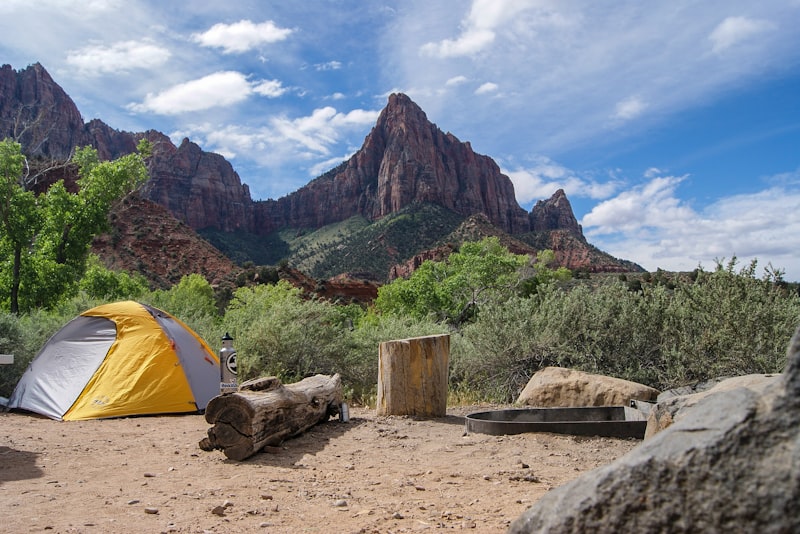
Car camping means you drive to your site and your vehicle stays parked beside your tent. Your gear capacity is whatever fits in the car, so comfort is cheap: big tents, real chairs, a cooler full of fresh food, and an extra layer just in case. Most car camping happens in established campgrounds with toilets, water taps, and neighbors a stone's throw away.
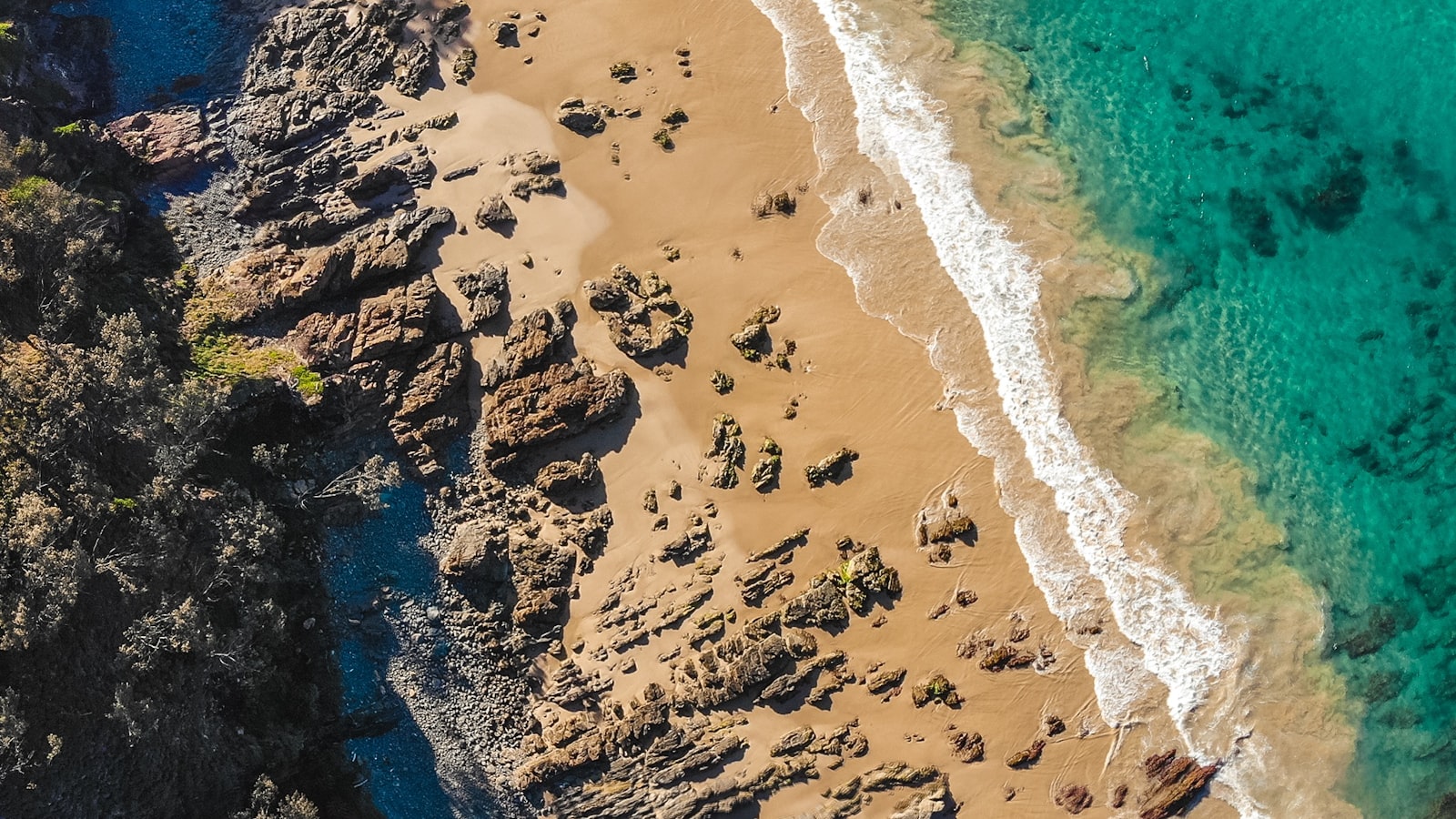
Backpacking means you carry everything you need on your back and walk to where you sleep, often miles from the nearest road. Every item is chosen for weight and earns its place. In exchange for that discipline, you reach lakes, ridgelines, and quiet basins that day hikers and car campers never see. The reward is solitude and a landscape that feels genuinely yours for the night.
Neither style is more authentic than the other. The mountain does not care how you got there, only that you came prepared and left it as you found it.
The clearest way to think about it: car camping optimizes for comfort and ease, backpacking optimizes for access and quiet. Almost every other difference flows from that one trade.
Comfort, Effort, and Access#
Car camping is forgiving. If you forget something, it is in the car or a short drive away. You can bring a thick sleeping pad, a stove with two burners, and enough food to eat genuinely well. The effort is loading and unloading, not endurance, which makes it ideal for families, friends who want to socialize around a fire, and anyone easing into the outdoors. The trade-off is that you are sharing space. Campgrounds can be busy, a little noisy, and a bit removed from the wildness you might be picturing.
Backpacking flips all of that. The effort is real: you carry twenty to thirty-five pounds over uneven ground, sometimes uphill for hours, and you sleep on a thin pad with a pack for a pillow. But that effort is the price of admission to places that stay quiet precisely because they are hard to reach. There is a particular kind of peace in a camp where the only sounds are wind and water, and you earned every step of getting there. The margin for error is thinner, too. Help is farther away, weather matters more, and what you forgot stays forgotten.
If your goal is to relax with people and good food close to the car, car camping wins easily. If your goal is to disappear into a landscape and trade comfort for quiet, backpacking is the only thing that delivers it.
Gear and Cost#
The gear stories are very different. Car camping gear can be cheap, heavy, and bombproof because weight barely matters. A budget tent, a foam pad, a cooler, and a propane stove will serve you for years, and you can borrow or improvise much of the rest. The entry cost is low and the learning curve is gentle.
Backpacking gear is where the budget tightens. To carry comfortably you want lighter, more packable versions of everything, and lightweight gear costs more. Here is roughly where the money goes:
- The "big three": a lightweight tent or shelter, a warm packable sleeping bag, and an insulated sleeping pad
- A pack that fits your torso and carries weight on your hips, not your shoulders
- A small stove, water filter, and a handful of well-chosen layers
You do not need the most expensive version of any of it to start. But you do need gear that handles weather and weight, because out there it is doing a harder job. A practical path is to begin with the car camping kit you can afford, then upgrade piece by piece toward backpacking as you learn what you actually use.
How to Choose for Your Next Trip#
Start by being honest about three things: who you are going with, how much you want to exert yourself, and what you want to see. A weekend with kids or friends who are new to the outdoors points firmly at car camping, where comfort and a safety net keep everyone happy. A craving for solitude, a specific alpine lake, or a long-distance route points at backpacking.
If you are new to camping entirely, I almost always suggest starting with car camping. It lets you learn the core skills, setting up a tent, running a stove, staying warm, reading weather, with the car right there as a backstop if something goes sideways. Once those habits feel natural, an overnight backpacking trip of just a few easy miles is a wonderful next step, and far less daunting because the fundamentals are already yours.
You can also blend them. Base camp out of the car and take ambitious day hikes. Or "car-to-camp" at a walk-in site that is only a short carry from the lot, which is a gentle bridge between the two. There is no rule that says you must commit to one identity.
In the end, the better style is whichever one actually gets you out the door. A car camping weekend you take beats a backpacking epic you keep postponing because the gear feels too expensive or the effort too steep. Use car camping to build comfort and skill, reach for backpacking when you want the quiet that only effort can buy, and let the trip in front of you decide. Whichever you reach for this season, give yourself permission to keep it simple, learn as you go, and adjust next time. Either way, you are going further outside, and that is the whole point.