Anúncios
Earthquakes strike without warning, but modern technology now gives us precious seconds—or even minutes—to take cover before the shaking starts.
Early warning systems have transformed how we respond to seismic events, turning what was once an unpredictable disaster into a manageable emergency. These sophisticated networks detect the initial tremors and alert populations before the damaging waves arrive, giving people time to drop, cover, and hold on.
Anúncios
Understanding how these systems work—and knowing which tools can keep you informed—might just save your life or the lives of those around you. Whether you live in California, Japan, Mexico, or any earthquake-prone region, staying prepared isn’t about living in fear; it’s about being smart and ready.
🌍 How Earthquake Early Warning Systems Actually Work
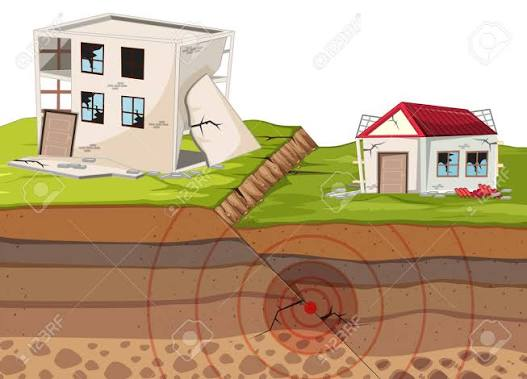


Earthquake early warning systems rely on a simple but powerful principle: seismic waves travel at different speeds. When an earthquake occurs, it generates two main types of waves—P-waves (primary waves) and S-waves (secondary waves).
Anúncios
P-waves travel faster but cause less damage, moving through the Earth at roughly 6-7 kilometers per second. S-waves follow behind at about 3.5-4 kilometers per second but pack much more destructive energy. The system detects the harmless P-waves first, then calculates the earthquake’s location, magnitude, and intensity before the damaging S-waves arrive.
This time gap—sometimes just 5-10 seconds for nearby locations, but up to 90 seconds for areas farther from the epicenter—is enough to trigger automated alerts. In those crucial moments, trains can slow down, elevators can stop at the nearest floor, surgeons can pause delicate procedures, and people can take protective action.
The Technology Behind the Alerts
Modern early warning networks use hundreds or thousands of seismometers strategically placed throughout seismically active regions. These sensitive instruments constantly monitor ground motion, transmitting data to central processing centers in real-time.
Advanced algorithms analyze the incoming data within milliseconds, determining:
- Magnitude – How much energy the earthquake releases
- Location – The precise epicenter coordinates
- Depth – How far below the surface the rupture occurs
- Expected intensity – How strongly different areas will shake
Once the system confirms a significant earthquake, it broadcasts warnings through multiple channels: smartphone apps, emergency broadcast systems, sirens, and even direct notifications to critical infrastructure operators.
Real-World Success Stories 🎯
Japan’s earthquake early warning system, operational since 2007, represents the gold standard. During the devastating 2011 Tōhoku earthquake, the system provided warnings up to 80 seconds before the strongest shaking hit Tokyo, giving millions of people time to prepare.
Mexico City’s SASMEX system has similarly proven invaluable. Located 300 kilometers from the coast where many earthquakes originate, the city receives warnings that give residents 60-90 seconds of advance notice—time that has saved countless lives since the system’s implementation in 1993.
California’s ShakeAlert system, fully deployed in 2019, now protects over 50 million people across the West Coast. During a magnitude 6.4 earthquake near Ridgecrest in 2019, residents in Los Angeles received warnings 48 seconds before shaking began.
📱 Essential Earthquake Alert Apps for Your Smartphone
Your smartphone can become a lifesaving early warning device with the right applications installed. These apps connect directly to official seismological networks and can deliver alerts faster than traditional emergency broadcast systems.

Official Government Warning Apps
MyShake (California/West Coast) – Developed by UC Berkeley, this app taps into California’s ShakeAlert system. It provides early warnings, earthquake notifications, and educational resources about seismic safety. The app also uses your phone’s accelerometer to help detect earthquakes, contributing to a crowdsourced detection network.
Yurekuru Call (Japan) – This app connects to Japan’s Meteorological Agency and delivers warnings in multiple languages. It’s essential for residents and travelers in Japan, offering push notifications seconds before shaking starts.
SASMEX Alerta Sísmica (Mexico) – Mexico’s official app provides warnings for residents in Mexico City and surrounding areas. The app includes preparedness guides and real-time earthquake reports.
Global Monitoring Applications
Several apps provide worldwide earthquake monitoring, perfect for travelers or those wanting to stay informed about seismic activity globally:
- Earthquake – American Red Cross – Offers customizable alerts, safety tips in multiple languages, and step-by-step guides for what to do before, during, and after earthquakes
- QuakeFeed – Provides real-time notifications from USGS and other agencies, with detailed maps and filtering options by magnitude and location
- LastQuake – Created by the European-Mediterranean Seismological Centre, this app crowdsources felt reports and provides rapid information about earthquakes worldwide
Configuring Your Apps for Maximum Effectiveness ⚙️
Simply downloading an app isn’t enough—proper configuration ensures you receive timely alerts without notification fatigue:
- Set magnitude thresholds appropriately (typically 4.5+ for your region, 6.0+ for global alerts)
- Define your radius—alerts within 100-200 kilometers usually provide the best balance
- Enable sound and vibration for critical alerts, even during “Do Not Disturb” hours
- Keep your location services enabled for accurate distance calculations
- Test your notifications monthly to ensure they’re working properly
🏠 Preparing Your Home and Family Before an Earthquake
The best warning system in the world can’t help if you haven’t prepared your environment. Earthquake readiness involves both physical preparations and family planning.
Securing Your Living Space
Walk through your home with a critical eye, identifying potential hazards:
Heavy furniture should be anchored to walls using brackets or straps. Bookcases, entertainment centers, and tall dressers can topple during moderate shaking, causing serious injuries or blocking escape routes.
Water heaters need earthquake straps at both the top and bottom. An unsecured water heater can break gas lines, causing fires or explosions—one of the most common earthquake-related disasters.
Hanging objects like mirrors, picture frames, and light fixtures should have secure mounting. Consider using museum putty for valuable items on shelves or tables.
Cabinet latches prevent dishes, glasses, and heavy items from flying out during shaking. This simple upgrade can prevent injuries and significant property damage.
Building Your Emergency Kit 🎒
Every household should maintain an earthquake emergency kit with supplies for at least 72 hours:
| Category | Essential Items | Quantity |
|---|---|---|
| Water | Bottled water | 1 gallon per person per day |
| Food | Non-perishable items, can opener | 3-day supply minimum |
| First Aid | Bandages, medications, antiseptic | Full kit plus prescriptions |
| Tools | Flashlight, radio, batteries, whistle | Multiple of each |
| Documents | IDs, insurance papers, cash | Waterproof container |
| Sanitation | Toilet paper, garbage bags, soap | Week’s supply |
Store your kit in an easily accessible location and check it every six months, rotating food and water supplies and updating medications.
Creating Your Family Emergency Plan
Everyone in your household should know exactly what to do when an earthquake strikes. Hold regular drills—at least twice yearly—practicing your response.
Identify safe spots in every room: under sturdy tables, desks, or against interior walls away from windows. Bathrooms with load-bearing walls can provide good protection due to their small size and strong framing.
Establish communication protocols. After major earthquakes, local phone networks often become overwhelmed. Designate an out-of-state contact who can relay messages between family members. Text messages typically work better than voice calls during emergencies.
Know your evacuation routes and meeting points. Choose a location outside your home where family members can gather if the building becomes unsafe. Select a secondary meeting point in your neighborhood in case you can’t reach the primary location.
⚡ What to Do During the Shaking: Critical Seconds Matter
When the ground starts moving, your immediate actions determine your safety. The official advice remains consistent across all seismically active regions: Drop, Cover, and Hold On.
The Drop-Cover-Hold Technique
DROP to your hands and knees immediately. This position prevents you from being knocked down while allowing you to move if needed.
COVER your head and neck under a sturdy desk or table. If no shelter is available, crawl next to an interior wall away from windows, mirrors, and hanging objects. Use your arms to protect your head and neck.
HOLD ON to your shelter and be prepared to move with it. Earthquakes can shift furniture around, and you need to maintain your protection throughout the shaking.
Location-Specific Guidance 🚗
In a vehicle: Pull over safely, away from bridges, overpasses, power lines, and buildings. Stay inside with your seatbelt fastened until the shaking stops. Avoid stopping under or near structures that could collapse.
In bed: Stay there and cover your head with a pillow. Most bedroom injuries come from people trying to move to other locations and being struck by falling objects.
In a high-rise building: Don’t use elevators. Move away from windows and exterior walls. Get under a desk or table, or stand in a doorway. Modern buildings are designed to sway and flex—this movement is normal and protective.
Outdoors: Move away from buildings, power lines, trees, and streetlights. Drop to the ground and cover your head. Most outdoor earthquake injuries come from falling debris from nearby structures.
In a crowded indoor space: Don’t rush for exits. Doorways offer no special protection in modern buildings, and stampeding crowds cause more injuries than the earthquake itself. Take cover where you are.
What NOT to Do ❌
Decades of research have debunked several dangerous myths:
- Don’t stand in doorways – This outdated advice from unreinforced adobe buildings doesn’t apply to modern construction
- Don’t run outside – More injuries occur from falling debris near building exteriors than inside
- Don’t use elevators – Power failures can trap you, and cables can break during strong shaking
- Don’t light matches or candles immediately – Gas leaks create explosion risks; use flashlights instead
🔍 After the Shaking Stops: The First Critical Hours
The moments immediately following an earthquake can be just as dangerous as the event itself. Aftershocks, structural damage, and utility failures create ongoing hazards that require careful navigation.
Immediate Post-Earthquake Actions
Once shaking stops, count to 60 before moving. This pause allows debris to settle and gives you time to assess your immediate surroundings for hazards.
Check yourself and others for injuries. Provide first aid as needed, but don’t move seriously injured people unless they’re in immediate danger. Internal injuries may not be immediately apparent.
Put on sturdy shoes immediately. Broken glass, nails, and debris create hazards throughout affected areas. Many post-earthquake injuries are foot lacerations from trying to navigate damaged areas in bare feet or slippers.
Inspecting for Hazards
Conduct a careful damage assessment before resuming normal activities:
Gas leaks: If you smell gas or hear hissing, open windows, leave immediately, and shut off the main gas valve if you can do so safely. Don’t re-enter until professionals declare it safe.
Electrical damage: Look for sparks, frayed wires, or the smell of burning insulation. Shut off electricity at the main breaker if you suspect damage. Never touch downed power lines or objects in contact with them.
Water main breaks: Shut off the main water valve if pipes are damaged. This prevents flooding and preserves water in your heater tank for emergency use.
Structural damage: Look for cracks in walls or foundations, sagging ceilings, tilted chimneys, or shifted buildings. If you suspect serious structural damage, evacuate and contact authorities.
Expecting and Surviving Aftershocks 🔄
Aftershocks are smaller earthquakes that follow the main event, sometimes continuing for weeks or months. While typically less intense, they can still cause significant damage, especially to already-weakened structures.
Stay alert and ready to Drop, Cover, and Hold On during every aftershock. Don’t re-enter damaged buildings until they’ve been inspected by professionals. Keep your emergency kit accessible and maintain your preparedness posture.
The largest aftershocks usually occur within the first few hours or days, but significant ones can happen weeks later. A good rule: expect aftershocks roughly one magnitude point lower than the main shock.
📡 Staying Informed During the Emergency Response
After a major earthquake, reliable information becomes crucial for making safe decisions. However, misinformation spreads rapidly during disasters, making it essential to rely on official sources.
Trusted Information Sources
Monitor these official channels for accurate, timely updates:
- USGS Earthquake Notifications – The United States Geological Survey provides scientifically accurate data on magnitude, location, and aftershock probabilities
- Local emergency management agencies – County and city emergency services provide region-specific guidance, evacuation orders, and resource information
- NOAA Weather Radio – Battery-powered weather radios receive emergency broadcasts even when internet and cell services fail
- Official social media accounts – Verified accounts from emergency services, but verify information through multiple sources
When to Evacuate vs. Shelter in Place
Officials may issue evacuation orders for various reasons: tsunami warnings in coastal areas, gas leaks, fires, or structural dangers. Follow these orders immediately—authorities issue them only when staying poses greater risks than leaving.
If evacuating, take your emergency kit, secure your home (turn off utilities if time permits), and follow designated evacuation routes. Don’t take shortcuts or return home until authorities declare it safe.
Shelter in place when ordered, when outside conditions are more dangerous than staying indoors, or when you can’t safely evacuate. Seal windows and doors if hazardous materials are released, and move to an interior room.
💪 Building Long-Term Earthquake Resilience
Living in earthquake country doesn’t mean living in constant fear. It means developing a resilient mindset and maintaining preparedness as part of your regular routine.
Annual Preparedness Reviews
Treat earthquake preparedness like other annual maintenance tasks. Each year:
- Review and update your emergency plan with all family members
- Refresh your emergency kit supplies, replacing expired items
- Conduct earthquake drills with your household
- Check furniture anchors and security straps for wear
- Update important documents and contact information
- Review your insurance coverage and document valuables
Community Involvement and Training
Consider joining Community Emergency Response Team (CERT) training. These programs teach disaster response skills, first aid, search and rescue basics, and emergency organization. CERT volunteers become force multipliers during major disasters when professional responders are overwhelmed.
Participate in annual earthquake drills like the Great ShakeOut. These coordinated exercises help millions of people practice their response, identify gaps in preparedness, and build the muscle memory needed during real events.
Insurance and Financial Preparation 💰
Standard homeowners and renters insurance policies typically don’t cover earthquake damage. Separate earthquake insurance provides coverage for structural damage, personal property loss, and additional living expenses if your home becomes uninhabitable.
Evaluate whether earthquake insurance makes sense for your situation based on your region’s risk level, your property value, and your financial ability to absorb major losses. Even in high-risk areas, many people choose higher deductibles to keep premiums manageable while protecting against catastrophic losses.
Document your belongings through photos or video, storing copies outside your home (cloud storage works well). This documentation becomes invaluable when filing insurance claims after disasters.
🌟 Why Preparedness Empowers Rather Than Frightens
Some people avoid earthquake preparedness, thinking it will make them anxious or fearful. The opposite is actually true—preparedness reduces anxiety by replacing helplessness with action and uncertainty with knowledge.
When you know your home is secured, your family has a plan, your emergency kit is stocked, and your phone will alert you to incoming shaking, you can live your life without constant worry. Preparedness transforms earthquakes from terrifying unknowns into manageable events you’re ready to handle.
Children especially benefit from age-appropriate earthquake education and practice. Rather than creating fear, teaching kids what to do during earthquakes gives them confidence and reduces trauma if a real event occurs. Make drills engaging rather than scary, framing them as important skills everyone should learn.
The Science of Being Prepared
Psychological research consistently shows that people who prepare for disasters experience less anxiety and recover faster when events occur. This “positive preparedness” mindset acknowledges risks while focusing on practical solutions rather than dwelling on worst-case scenarios.
Your preparation also helps your entire community. When individuals and families can care for themselves for 72 hours after a major earthquake, professional responders can focus on people who need immediate medical attention or rescue. Your readiness literally saves lives beyond your own household.
Moving Forward with Confidence and Awareness
Earthquake early warning systems represent one of humanity’s most impressive achievements—using science and technology to buy precious seconds against one of nature’s most powerful forces. Combined with personal preparedness, these systems dramatically reduce injuries, deaths, and property damage.
Download the appropriate apps for your region today. Take an hour this weekend to secure your water heater and anchor heavy furniture. Assemble your emergency kit gradually, adding items with each grocery trip. Schedule a family meeting to discuss your earthquake plan.
These small, manageable steps transform you from vulnerable to prepared, from reactive to proactive. You’re not preparing because an earthquake will definitely strike tomorrow—you’re preparing because when one eventually does strike, you’ll be ready to protect yourself and help others.
The ground beneath us will always shift and shake. That’s geology, not something we can change. But how we respond to that shaking—that’s entirely within our control. Stay informed, stay prepared, and stay safe. 🌎