Anúncios
Knee pain affects millions of people worldwide, impacting daily activities and overall quality of life. Understanding its causes and solutions is essential for recovery.
Whether you’re an athlete, office worker, or someone dealing with age-related joint issues, knee discomfort can significantly reduce your mobility and independence. The good news is that many knee problems respond well to conservative treatment when addressed early.
Anúncios
This comprehensive guide will help you identify common knee pain triggers, recognize warning signs that require medical attention, and discover evidence-based strategies to support joint health through exercise, lifestyle modifications, and professional care.
🔍 Common Causes Behind Knee Discomfort
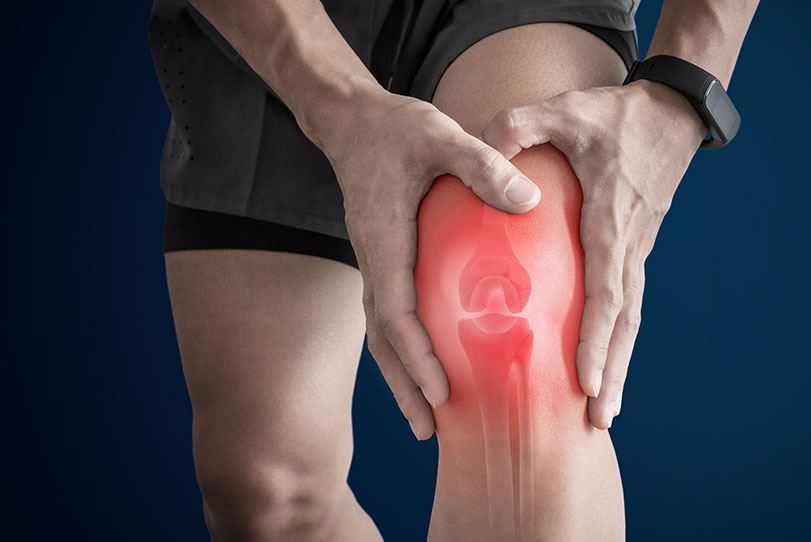


The knee is one of the body’s most complex joints, bearing significant weight while allowing impressive range of motion. This combination makes it vulnerable to various conditions.
Anúncios
Osteoarthritis ranks among the leading causes of chronic knee pain, particularly in adults over 50. The protective cartilage that cushions the joint gradually wears down, leading to bone-on-bone friction, stiffness, and inflammation. Morning stiffness that improves with gentle movement is a hallmark sign.
Ligament injuries frequently occur during sports or sudden directional changes. The anterior cruciate ligament (ACL) and medial collateral ligament (MCL) are especially prone to tears. These injuries typically produce immediate sharp pain, swelling, and a sensation of instability.
Meniscus tears affect the rubbery cartilage that acts as a shock absorber between your thighbone and shinbone. A torn meniscus often causes a popping sensation, followed by pain, swelling, and difficulty fully straightening the knee.
Tendinitis develops when tendons become inflamed from repetitive stress. Patellar tendinitis (jumper’s knee) affects athletes in jumping sports, while quadriceps tendinitis appears more commonly in runners and cyclists.
Bursitis involves inflammation of the small fluid-filled sacs (bursae) that cushion the knee joint. Prepatellar bursitis creates noticeable swelling at the front of the kneecap and often results from prolonged kneeling.
⚖️ Biomechanical Factors That Contribute to Pain
Beyond direct injuries, several mechanical issues increase knee stress:
- Muscle imbalances: Weak quadriceps or tight hamstrings alter knee tracking and load distribution
- Poor alignment: Flat feet, overpronation, or knock-knees create abnormal stress patterns
- Excess weight: Each additional pound adds approximately 4 pounds of pressure on the knee during walking
- Previous injuries: Old sprains or fractures can lead to post-traumatic arthritis years later
- Overuse: Sudden increases in activity intensity without proper conditioning
🚨 Red Flags: When to Seek Professional Evaluation
While mild knee discomfort often resolves with rest and home care, certain symptoms demand prompt medical attention. Recognizing these warning signs prevents minor issues from becoming serious complications.
Immediate medical care is necessary if you experience:
- Inability to bear weight on the affected leg
- Obvious deformity or severe swelling that develops within hours
- Intense pain that doesn’t respond to over-the-counter pain relievers
- Fever accompanying knee pain (possible infection)
- Knee that gives out or feels unstable during normal activities
- Locking sensation where the knee gets stuck in one position
Schedule an appointment within a few days if you notice:
- Pain persisting beyond 2-3 weeks despite home treatment
- Gradual worsening of symptoms
- Swelling that recurs after activity
- Clicking or grinding sensations accompanied by pain
- Reduced range of motion that limits daily activities
- Nighttime pain that disrupts sleep
Early diagnosis often leads to simpler, more effective treatment. Waiting too long can allow reversible conditions to become permanent.
💪 Gentle Exercises for Knee Strength and Flexibility
Strategic exercise forms the cornerstone of knee rehabilitation and prevention. The right movements strengthen supporting muscles, improve flexibility, and enhance joint stability without causing additional damage.
🏋️ Strengthening Exercises
Straight Leg Raises: Lie on your back with one knee bent and the other straight. Tighten your thigh muscle and lift the straight leg to the height of the bent knee. Hold for 3-5 seconds, then lower slowly. Complete 10-15 repetitions per leg, 2-3 times daily.
Wall Squats: Stand with your back against a wall, feet shoulder-width apart and about 12 inches from the wall. Slowly slide down until your knees bend to about 45 degrees (not a full squat). Hold for 10 seconds, then slide back up. Work up to 10 repetitions.
Hamstring Curls: Stand behind a chair, holding it for balance. Slowly bend one knee, bringing your heel toward your buttock. Hold for 3 seconds, then lower. Perform 10-15 repetitions on each leg. Add ankle weights as strength improves.
Step-Ups: Using a sturdy step 4-6 inches high, step up with one foot, then bring the other foot up. Step down in the same sequence. Complete 10 repetitions leading with each leg. Gradually increase step height as tolerated.
🧘 Flexibility and Mobility Work

Hamstring Stretch: Sit on the floor with one leg extended and the other bent with the sole of your foot against your inner thigh. Reach toward your extended foot, keeping your back straight. Hold for 30 seconds, then switch legs. Repeat 3 times per side.
Calf Stretch: Face a wall with hands at eye level. Place one foot behind the other, keeping the back heel on the ground and the back leg straight. Lean forward until you feel a stretch in your back calf. Hold for 30 seconds, switch sides.
Quadriceps Stretch: Stand holding a chair for balance. Bend one knee and grasp your ankle, gently pulling your heel toward your buttock. Keep your knees together and hips forward. Hold for 30 seconds each side.
Knee Circles: Lie on your back with one knee bent, foot flat on the floor. Extend the other leg and make small circles in the air, 10 clockwise and 10 counterclockwise. This gentle movement improves synovial fluid distribution.
⚠️ Exercise Safety Guidelines
Always warm up with 5-10 minutes of light activity before stretching or strengthening exercises. Stop immediately if you experience sharp pain. Mild discomfort is normal, but pain signals you’ve exceeded safe limits.
Progress gradually, increasing repetitions or resistance by no more than 10% weekly. Consistency matters more than intensity—three 15-minute sessions per week outperform one exhausting hour.
🏥 How Physical Therapy Accelerates Recovery
Professional physical therapy provides personalized assessment and treatment that home exercises alone cannot match. A licensed physical therapist evaluates your specific condition, movement patterns, and limitations to design a targeted recovery program.
Initial evaluation typically includes gait analysis, range of motion measurement, strength testing, and functional assessment. This data establishes baseline metrics and identifies compensatory patterns that contribute to pain.
Manual therapy techniques such as joint mobilization, soft tissue massage, and myofascial release reduce pain, improve circulation, and restore normal joint mechanics. These hands-on interventions complement your exercise program.
Therapeutic modalities may include ultrasound, electrical stimulation, ice, heat, or laser therapy. While not standalone solutions, these tools effectively manage pain and inflammation during the healing process.
Functional training progresses you from basic exercises to movements that mirror your daily activities or sport-specific demands. This ensures you can safely return to your normal routine without re-injury risk.
📊 What to Expect: Typical Physical Therapy Timeline
| Phase | Duration | Primary Goals |
|---|---|---|
| Acute Phase | 0-2 weeks | Reduce pain and inflammation, protect healing tissues |
| Recovery Phase | 2-6 weeks | Restore range of motion, begin gentle strengthening |
| Strengthening Phase | 6-12 weeks | Build muscle strength, improve stability and endurance |
| Functional Phase | 12+ weeks | Return to normal activities, prevent recurrence |
Individual timelines vary based on condition severity, age, overall health, and adherence to the home program. Some people notice improvement within 2-3 sessions, while others require several months of consistent therapy.
🛡️ Daily Habits That Support Knee Health
Long-term knee wellness depends less on occasional efforts and more on consistent daily choices. Small habit adjustments accumulate to create significant protective effects.
⚖️ Weight Management
Maintaining a healthy weight represents one of the most powerful interventions for knee health. Research shows that losing just 10 pounds can reduce knee pain by 50% in people with osteoarthritis. Each pound lost decreases knee stress by four pounds during walking and six pounds when climbing stairs.
Focus on sustainable dietary changes rather than extreme restrictions. Emphasize anti-inflammatory foods like fatty fish, colorful vegetables, berries, nuts, and olive oil while minimizing processed foods, refined sugars, and excessive red meat.
👟 Proper Footwear Selection
Your shoes directly impact knee alignment and shock absorption. Replace athletic shoes every 300-500 miles or every 6 months with regular use. Look for shoes with adequate arch support, cushioning, and stability features appropriate for your foot type.
Avoid high heels for extended periods, as they alter knee biomechanics and increase patellofemoral joint stress. If you must wear heels, limit height to 2 inches and alternate with supportive flats throughout the day.
🧊 Smart Use of Ice and Heat
Ice therapy works best for acute inflammation, swelling, or pain following activity. Apply ice packs for 15-20 minutes every 2-3 hours during the first 48-72 hours after injury or during flare-ups. Always use a thin towel between ice and skin.
Heat therapy benefits chronic stiffness and muscle tension. Warm compresses or heating pads applied for 15-20 minutes before activity can improve flexibility and reduce discomfort. Never apply heat to acutely swollen or inflamed joints.
🪑 Ergonomic Adjustments
Prolonged sitting with knees bent increases joint pressure. If you work at a desk, stand and walk for 5 minutes every hour. Adjust your chair so knees remain at or below hip level with feet flat on the floor.
When sitting for extended periods, change positions frequently and perform seated knee extensions periodically to maintain circulation and prevent stiffness.
💧 Hydration and Joint Lubrication
Adequate water intake supports synovial fluid production, which lubricates joints and nourishes cartilage. Aim for 8-10 glasses daily, more if you’re active or in hot weather. Dehydration can worsen joint stiffness and discomfort.
🏃 Activity Modifications for Active Lifestyles
Knee pain doesn’t mean abandoning physical activity—it means choosing exercises wisely and modifying techniques to reduce joint stress while maintaining fitness.
🚴 Low-Impact Cardio Alternatives
Swimming and water aerobics provide excellent cardiovascular workouts with minimal knee impact. Water’s buoyancy reduces body weight by approximately 90%, allowing vigorous exercise without joint compression.
Cycling (stationary or outdoor) strengthens leg muscles while being gentler on knees than running. Ensure proper bike fit with seat height adjusted so your knee has a slight bend (about 25-30 degrees) when the pedal is at its lowest point.
Elliptical machines simulate running motion without impact. The smooth, continuous movement pattern reduces stress on knee joints while still providing an effective workout. Keep resistance moderate and avoid extreme inclines.
🏋️ Strength Training Adjustments
Replace deep squats with partial-range squats or wall sits. Avoid exercises that require you to bend your knees beyond 90 degrees until your joint health improves.
Substitute jump training with step-ups, lateral walks with resistance bands, or controlled lunges. These alternatives build leg strength without repetitive impact.
Use machines that support your body weight during exercises, such as leg presses or hamstring curl machines, rather than free-standing movements that challenge balance and stability.
🧪 Complementary Approaches to Consider
While not replacements for medical care, several evidence-based complementary therapies may support knee health when combined with conventional treatment.
💊 Nutritional Supplements
Glucosamine and chondroitin are commonly used for osteoarthritis, though research results remain mixed. Some studies show modest pain reduction and improved function, while others find no significant benefit. If trying these supplements, allow 2-3 months to assess effectiveness.
Omega-3 fatty acids from fish oil have anti-inflammatory properties that may reduce joint inflammation. A typical therapeutic dose ranges from 2-3 grams of combined EPA and DHA daily.
Curcumin (from turmeric) demonstrates anti-inflammatory effects in some studies. Look for supplements with black pepper extract (piperine) to enhance absorption.
Always consult your healthcare provider before starting supplements, especially if you take medications or have underlying health conditions.
🧘 Mind-Body Practices
Yoga improves flexibility, strength, and body awareness while reducing stress that can amplify pain perception. Choose gentle or restorative styles, avoiding poses that deeply bend the knees or require kneeling on hard surfaces.
Tai chi combines slow, flowing movements with meditation and deep breathing. Research shows tai chi can reduce arthritis pain, improve balance, and enhance physical function in older adults.
Mindfulness meditation doesn’t directly treat knee problems but helps manage chronic pain by changing how your brain processes pain signals. Regular practice can reduce pain intensity and improve quality of life.
🔄 Creating Your Personal Knee Wellness Plan
Effective knee care requires a comprehensive approach that addresses multiple factors simultaneously. Use this framework to develop your personalized strategy.
📝 Step 1: Identify Your Specific Triggers
Keep a pain journal for 1-2 weeks, noting when discomfort occurs, what activities preceded it, intensity level, and what provided relief. Patterns will emerge that help you identify and avoid or modify problematic movements.
📝 Step 2: Establish Your Exercise Foundation
Begin with gentle range-of-motion exercises and basic strengthening movements. Commit to 15-20 minutes daily rather than longer, sporadic sessions. Consistency builds habits and produces better results than intensity alone.
📝 Step 3: Address Lifestyle Factors
Choose 2-3 habit changes to implement initially—perhaps improving footwear, losing 5-10 pounds, and adjusting your workspace ergonomics. Once these become routine, add additional modifications.
📝 Step 4: Build Your Support Team
Depending on your condition’s severity, your team might include a primary care physician, orthopedic specialist, physical therapist, and possibly a nutritionist or personal trainer experienced in working with joint issues.
📝 Step 5: Monitor Progress and Adjust
Reassess your pain levels, function, and quality of life every 4-6 weeks. Celebrate improvements while adjusting strategies that aren’t producing results. Recovery rarely follows a straight line—expect some fluctuation.
🌟 Taking Control of Your Knee Health Journey
Knee pain can feel overwhelming, especially when it limits activities you love or need to perform. However, understanding the underlying causes, recognizing when to seek help, and implementing evidence-based self-care strategies puts you in control of your recovery.
Most knee problems respond well to conservative treatment when addressed early. Combining appropriate exercises, lifestyle modifications, and professional guidance when needed creates the optimal environment for healing and long-term joint health.
Remember that recovery takes time and patience. Small, consistent actions compound into significant improvements. Whether you’re dealing with a recent injury or managing a chronic condition, the steps you take today directly influence your mobility and comfort tomorrow.
Start with one or two changes from this guide—perhaps adding a daily stretching routine or scheduling that physical therapy evaluation you’ve been postponing. Build momentum gradually, and don’t hesitate to seek professional support when needed. Your knees carry you through life; investing in their health pays dividends in freedom, activity, and independence for years to come.