
Optimize UX: Master Colors & Patterns
Color and pattern recognition shape how users navigate digital environments, influencing safety, accessibility, and overall satisfaction with every interaction they experience

Color and pattern recognition shape how users navigate digital environments, influencing safety, accessibility, and overall satisfaction with every interaction they experience

Design transcends borders, yet its impact varies dramatically across cultures. Understanding global sensory harmony is essential for creating experiences that resonate

Our memories hold the key to experiencing the world more deeply, connecting past sensations with present moments to create richer, more
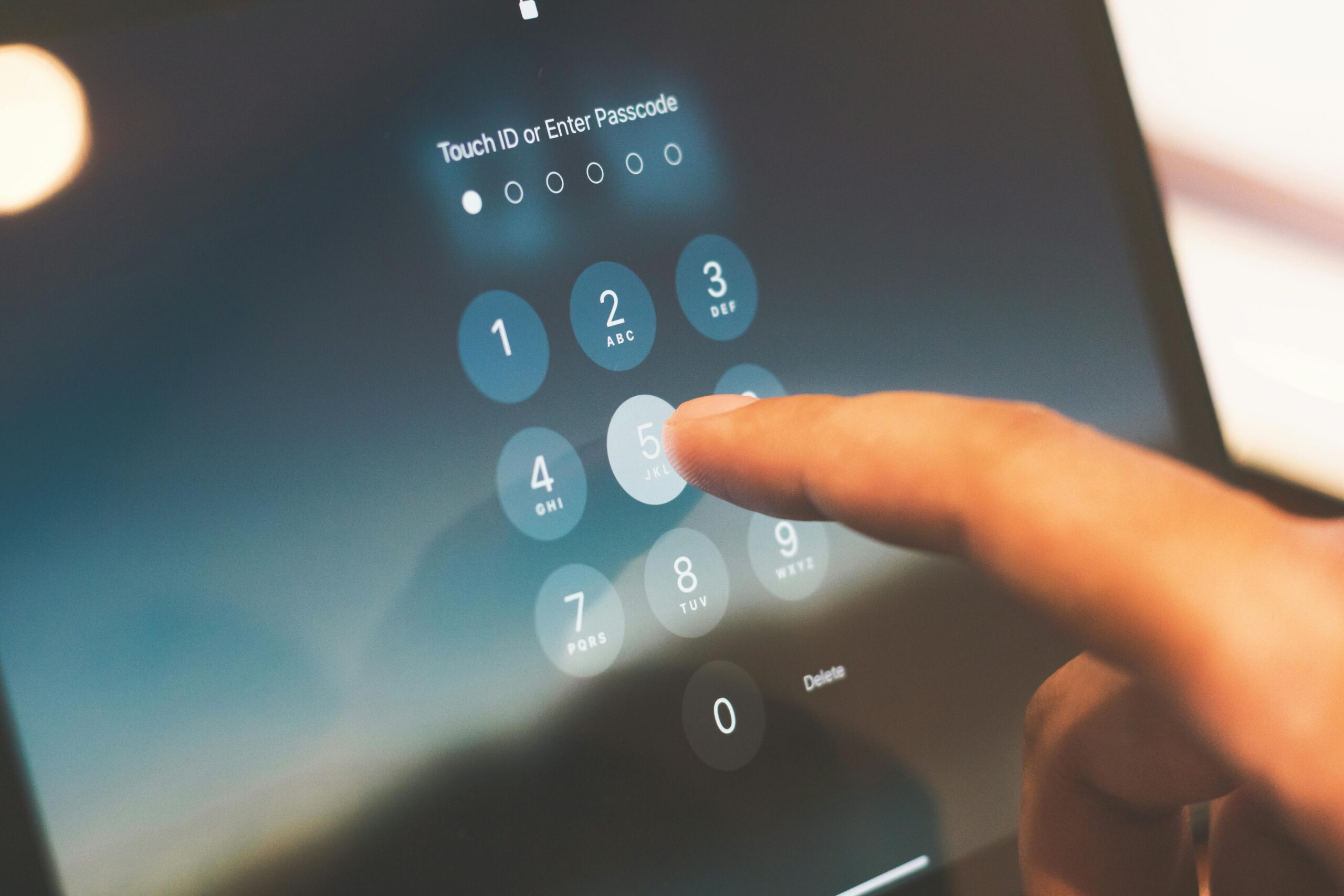
Authentication is evolving beyond passwords and PINs, embracing multi-sensory design to create truly inclusive digital experiences for everyone, regardless of ability.

Identity theft through spoofing attacks has become one of the most pressing cybersecurity threats, affecting millions of users worldwide every year.

Creating truly inclusive digital and physical environments requires more than good intentions—it demands strategic use of sensory cues that accommodate diverse

Haptic feedback is revolutionizing how we interact with digital security systems, transforming abstract verification processes into tangible, physical experiences that enhance

When systems fail, your users shouldn’t suffer. Implementing robust fallback mechanisms is the difference between a loyal audience and frustrated visitors

Creating UX testing scripts for sensory signals requires precision, empathy, and a deep understanding of how users perceive and interact with

Modern authentication faces a critical challenge: balancing security with user convenience. Environmental context authentication offers a sophisticated solution by analyzing surrounding