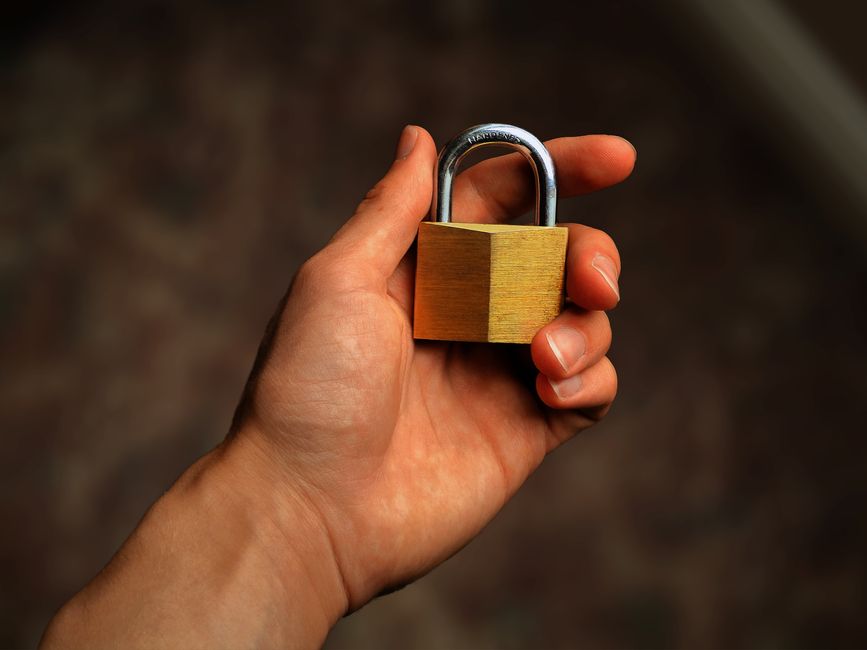
Trust is the invisible currency that powers relationships, businesses, and societies. Understanding what drives high-level trust scores can transform how we connect, communicate, and collaborate in both personal and professional environments.

🔐 The Foundation: Why Trust Matters More Than Ever
In our increasingly digital and interconnected world, trust has become the cornerstone of successful interactions. Whether you’re building a brand, managing a team, or nurturing personal relationships, trust determines the quality and longevity of these connections. Research consistently shows that high-trust organizations outperform their competitors by significant margins, experiencing better employee retention, increased productivity, and stronger customer loyalty.
Trust scores, while sometimes intangible, can be measured and improved through deliberate actions and consistent behaviors. Organizations like Edelman conduct annual trust barometers, revealing that trust in institutions, businesses, and leaders fluctuates based on specific factors that we’ll explore throughout this article.
🎯 Consistency: The Bedrock of Trustworthiness
Consistency ranks among the most critical factors influencing trust scores. When individuals or organizations demonstrate reliable patterns of behavior, they create predictability that others can depend upon. This predictability reduces anxiety and builds confidence over time.
Think about your favorite brands or the people you trust most. They likely share a common trait: consistency in their actions, communications, and values. A company that delivers quality products repeatedly, or a colleague who always meets deadlines, naturally accumulates trust capital.
Building Consistency in Practice
Establishing consistency requires intentional effort across multiple dimensions:
- Behavioral consistency: Acting in alignment with stated values and principles, regardless of circumstances
- Communication consistency: Maintaining regular, transparent dialogue with stakeholders
- Quality consistency: Delivering products or services that meet or exceed established standards
- Emotional consistency: Responding to situations with appropriate and predictable emotional intelligence
💬 Transparency: The Trust Accelerator
Transparency has emerged as a non-negotiable element in building high-level trust. In an era where information spreads rapidly and secrets rarely stay hidden, organizations and individuals who embrace openness gain significant trust advantages.
Transparency doesn’t mean sharing everything indiscriminately. Rather, it involves being honest about processes, decision-making, limitations, and even failures. When stakeholders understand the ‘why’ behind actions, they’re more likely to extend trust, even during challenging times.
Companies like Buffer have pioneered radical transparency, publicly sharing employee salaries, revenue figures, and business challenges. While not every organization can or should adopt such extreme openness, the principle remains valuable: hiding less generally means trusting more.
Implementing Transparent Practices
Transparency manifests in various ways depending on context. For businesses, this might include clear pricing structures, honest product descriptions, and accessible customer service. For leaders, it could mean admitting mistakes, explaining difficult decisions, and sharing both successes and setbacks with teams.
The key is making transparency a default setting rather than an exception. When people know they can count on getting straight answers, trust scores naturally climb.
🤝 Competence: Proving You Can Deliver
While good intentions matter, competence is equally crucial for high trust scores. People need to believe that you or your organization possesses the skills, knowledge, and resources to fulfill commitments. Trust without competence is essentially hope without foundation.
Competence encompasses technical expertise, problem-solving abilities, and the wisdom to recognize limitations. Interestingly, admitting what you don’t know often enhances rather than diminishes perceived competence, as it demonstrates self-awareness and honesty.
Demonstrating Competence Authentically
Building competence-based trust requires:
- Continuous learning and skill development to stay relevant in your field
- Delivering results that align with promises and expectations
- Seeking help or collaboration when facing challenges beyond your expertise
- Sharing knowledge and insights that help others succeed
- Maintaining professional standards and certifications relevant to your industry
Documentation of expertise through case studies, testimonials, certifications, and demonstrated outcomes provides tangible evidence of competence that strengthens trust.
❤️ Benevolence: Showing You Care
Benevolence represents the belief that someone has your best interests at heart, beyond their own self-interest. This factor distinguishes transactional relationships from truly trusted partnerships. High-level trust requires demonstrating genuine care for stakeholder wellbeing.
Organizations with high benevolence scores prioritize customer success over short-term profits, invest in employee development even when it might lead to their departure, and contribute positively to communities without expecting immediate returns.
Cultivating Benevolent Relationships
Benevolence can be demonstrated through active listening, empathetic responses, and decisions that sometimes sacrifice immediate gains for long-term stakeholder benefit. This might include offering refunds without hassle, providing honest advice even when it doesn’t result in a sale, or supporting employees through personal challenges.
The authentic expression of benevolence cannot be faked long-term. People possess remarkably sensitive detectors for genuine versus performative care. This is why values-based leadership and purpose-driven organizations often achieve higher trust scores than those focused solely on metrics and profits.
⚡ Responsiveness: The Speed of Trust
In our fast-paced world, responsiveness has become a critical trust factor. How quickly and effectively you respond to inquiries, concerns, or crises significantly impacts trust perceptions. Delayed responses create anxiety and erode confidence, while timely engagement demonstrates respect and reliability.
Responsiveness extends beyond mere speed to include quality of response. A quick but inadequate answer may actually damage trust more than a slightly delayed but thoughtful reply. The ideal combination pairs reasonable speed with appropriate depth and personalization.
Creating Responsive Systems
Organizations can enhance responsiveness through:
- Clear communication channels with expected response timeframes
- Automated acknowledgments that confirm receipt of inquiries
- Empowered team members who can make decisions without excessive bureaucracy
- Regular monitoring of feedback channels including social media, reviews, and direct communications
- Crisis management protocols that enable rapid response during emergencies
🛡️ Security and Privacy: Protecting What Matters
In the digital age, how organizations handle data and protect privacy dramatically influences trust scores. High-profile breaches and misuse of personal information have made consumers and employees increasingly cautious about sharing data.
Demonstrating robust security measures and respecting privacy boundaries signals that you take stakeholder protection seriously. This includes implementing appropriate technical safeguards, limiting data collection to necessary information, and being transparent about data usage.
Building Security-Based Trust
Trust through security involves both technical and policy dimensions. Encryption, secure authentication, regular security audits, and compliance with regulations like GDPR represent the technical side. Clear privacy policies, opt-in rather than opt-out defaults, and giving users control over their data address the policy aspect.
When security incidents do occur—as they inevitably will—how you respond determines whether trust is permanently damaged or potentially strengthened. Rapid disclosure, clear communication about impact, and decisive remediation can actually enhance trust by demonstrating accountability.
📊 Measuring Trust: From Intangible to Actionable
While trust feels abstract, various methodologies exist for measuring trust scores and tracking progress over time. These measurements provide valuable insights that guide improvement efforts.
| Measurement Method | What It Measures | Best Used For |
|---|---|---|
| Net Promoter Score (NPS) | Likelihood to recommend | Customer trust and loyalty |
| Employee Engagement Surveys | Internal trust levels | Organizational culture assessment |
| Trust Index Surveys | Specific trust dimensions | Comprehensive trust analysis |
| Online Reviews and Ratings | Public perception | External reputation monitoring |
| Retention Rates | Behavioral trust indicators | Long-term trust outcomes |
Regular measurement allows organizations to identify trust gaps, track improvement initiatives, and benchmark against competitors or industry standards.
🌱 Recovery and Resilience: Rebuilding After Trust Breaks
Even organizations and individuals with high trust scores occasionally experience trust breaches. What separates those who recover from those who don’t is how they handle these moments. Trust recovery requires acknowledgment, accountability, and authentic change.
Research suggests that trust can be rebuilt, sometimes even stronger than before, when breaches are addressed properly. This process typically involves admitting the mistake without deflection, apologizing genuinely, explaining what went wrong, implementing corrective measures, and demonstrating changed behavior over time.
The Trust Recovery Framework
Successful trust recovery follows a predictable pattern. First, rapid acknowledgment of the breach prevents speculation and demonstrates awareness. Second, taking responsibility without making excuses shows character. Third, concrete actions to prevent recurrence provide assurance. Finally, patience and consistency prove commitment to change.
Organizations that handle crises well often emerge with enhanced reputations because stakeholders observe their true character under pressure. This reality underscores that trust isn’t about perfection but about authentic response to imperfection.
🎪 Cultural Dimensions of Trust
Trust operates differently across cultures, making cultural intelligence essential for global operations. Some cultures emphasize relationship-based trust that develops slowly through personal connections, while others adopt more transactional, verification-based trust systems.
Understanding these variations prevents misinterpretation and enables appropriate trust-building strategies. What signals trustworthiness in one context might seem irrelevant or even suspicious in another. For instance, direct communication builds trust in some cultures while seeming aggressive in others where indirect communication is preferred.
Successful global organizations develop cultural adaptability while maintaining core values, finding the balance between consistency and contextual appropriateness.
🚀 The Future of Trust: Emerging Factors
As technology and society evolve, new trust factors emerge. Artificial intelligence, remote work, and digital-first interactions are reshaping trust dynamics. Organizations must adapt their trust-building strategies to address these changing contexts.
Algorithm transparency, ethical AI use, and digital inclusion are becoming increasingly important trust factors. Similarly, authenticity in digital communications, effective remote leadership, and cyber resilience contribute to modern trust scores.
The organizations achieving highest trust scores will be those who anticipate these shifts, adapting their practices while maintaining timeless trust principles like honesty, competence, and genuine care for stakeholders.
💡 Practical Steps Toward Higher Trust Scores
Building high-level trust requires sustained effort across multiple dimensions. Start by conducting a trust audit, identifying current trust levels and specific areas needing improvement. Gather feedback from stakeholders about their trust perceptions and concerns.
Develop a trust-building action plan addressing identified gaps. This might include improving response times, enhancing transparency, demonstrating competence through case studies, or showing benevolence through community involvement.
Implement changes systematically while communicating your efforts to stakeholders. Trust builds gradually through accumulated positive experiences, so patience and persistence are essential. Regularly measure progress and adjust strategies based on results.
Most importantly, ensure that trust-building becomes embedded in organizational culture rather than remaining a temporary initiative. When trust principles guide daily decisions and behaviors, high trust scores naturally follow.

🎯 The Compound Effect of Trust
High-level trust creates positive feedback loops that accelerate success. Trusted organizations attract better talent, retain customers more effectively, receive benefit of doubt during challenges, and enjoy lower transaction costs as verification becomes less necessary.
This compound effect means that investments in trust-building generate returns that multiply over time. Conversely, trust deficits create negative spirals requiring exponentially more effort to reverse. The economic and social value of trust makes it one of the highest-return investments any organization or individual can make.
By focusing on consistency, transparency, competence, benevolence, responsiveness, and security, while remaining culturally aware and adaptable to emerging contexts, anyone can unlock higher trust scores. The journey requires commitment and patience, but the destination—a foundation of solid trust—provides unparalleled competitive advantage and relational fulfillment.
Trust remains humanity’s most valuable intangible asset. Those who master the factors influencing trust scores don’t just succeed in business or careers—they build legacies of positive impact that extend far beyond immediate transactions, creating ripples of confidence that strengthen entire communities and societies.