
The digital world is evolving rapidly, and so are the methods we use to protect our identities. Sensory-guided authentication is reshaping security paradigms.

🔐 Understanding the Shift from Passwords to Sensory Authentication
For decades, passwords have been the cornerstone of digital security. Yet, they’ve proven increasingly inadequate in an era where data breaches occur with alarming frequency. The average person manages dozens of passwords across multiple platforms, leading to weak credentials, password reuse, and ultimately, compromised accounts. This vulnerability has prompted cybersecurity experts to explore alternative authentication methods that leverage our most unique characteristics—our senses and biological traits.
Sensory-guided authentication represents a fundamental departure from knowledge-based security. Instead of relying on what you know (passwords), this innovative approach focuses on who you are and what you experience. By incorporating biometric data, behavioral patterns, and sensory responses, these systems create multi-layered security protocols that are simultaneously more secure and more convenient for users.
What Makes Sensory Authentication Revolutionary? 🚀
The power of sensory-guided authentication lies in its ability to verify identity through multiple channels simultaneously. Unlike traditional methods that depend on a single point of failure, sensory authentication creates a comprehensive profile of the user based on various biological and behavioral characteristics that are extremely difficult to replicate or steal.
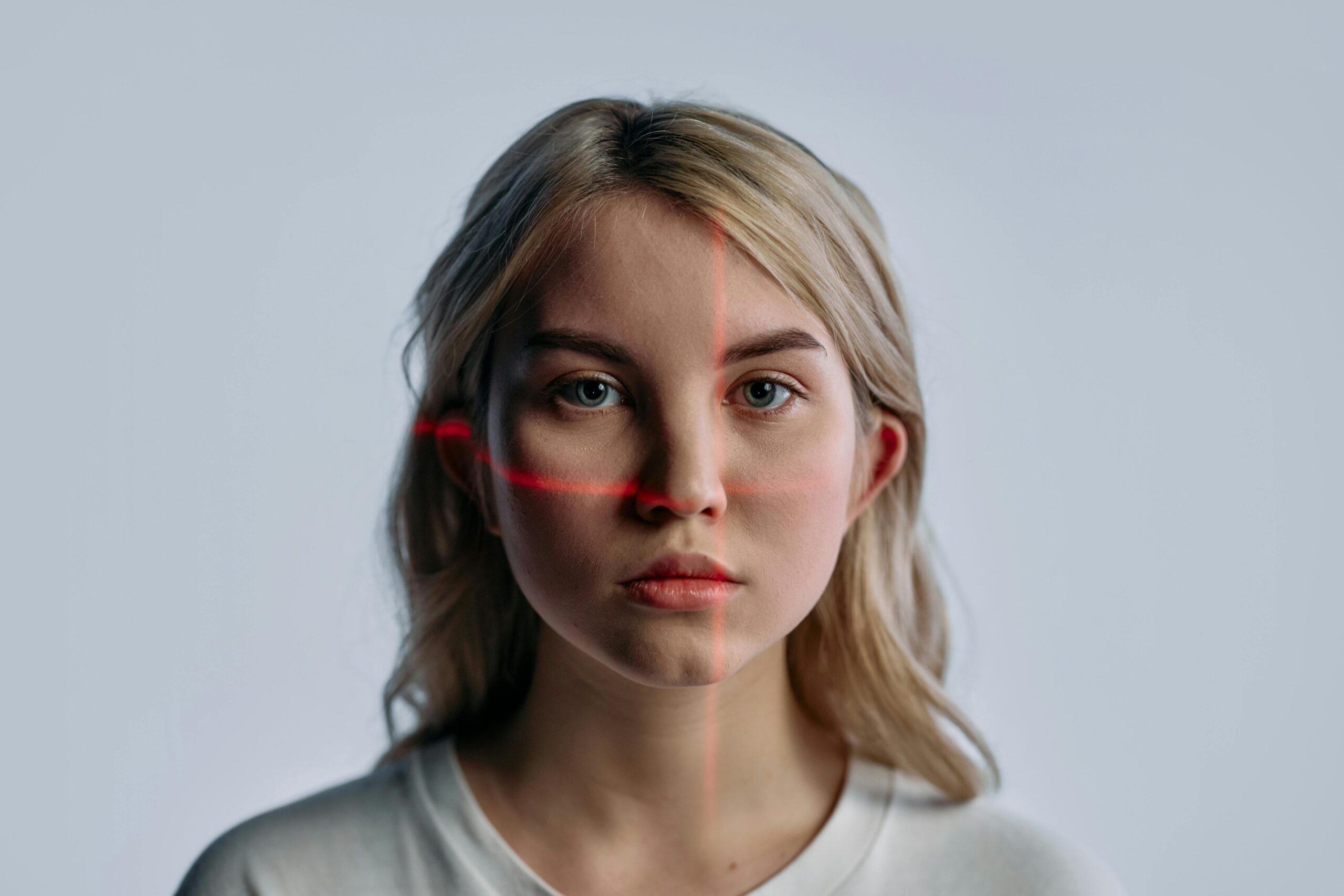
Modern sensory authentication systems can incorporate fingerprint recognition, facial geometry, voice patterns, iris scans, and even typing rhythm. Each of these elements contributes to a unique digital signature that’s nearly impossible for malicious actors to forge. The beauty of this approach is that users don’t need to remember complex passwords—they simply need to be themselves.
The Five Pillars of Sensory Authentication
Sensory-guided authentication operates across multiple dimensions of human biology and behavior:
- Visual Recognition: Facial recognition technology has advanced dramatically, now capable of detecting three-dimensional facial structures, identifying users in various lighting conditions, and even distinguishing between identical twins through minute differences in facial topography.
- Touch Patterns: Fingerprint sensors have evolved beyond simple ridge pattern matching to include palm vein recognition and even heartbeat detection through fingertips, adding layers of liveness verification.
- Auditory Verification: Voice recognition systems analyze not just speech patterns but also vocal cord vibrations, pitch variations, and unique acoustic signatures that remain consistent even when someone attempts to disguise their voice.
- Behavioral Biometrics: These systems track how users interact with devices—typing speed, mouse movement patterns, screen pressure sensitivity, and even gait analysis through smartphone accelerometers.
- Ocular Scanning: Iris and retinal scanning technologies map the unique patterns in the colored portion of the eye and blood vessel arrangements in the retina, features that remain stable throughout a person’s lifetime.
The Technology Behind the Magic ✨
Sensory-guided authentication systems rely on sophisticated algorithms and machine learning models to process and verify biometric data. When a user first enrolls in a sensory authentication system, the technology captures multiple samples of their biometric traits, creating a comprehensive template stored in encrypted formats within secure enclaves.
During subsequent authentication attempts, the system captures fresh biometric samples and compares them against the stored templates. Advanced neural networks analyze subtle variations, accounting for natural changes like aging, temporary injuries, or environmental factors. The system calculates a confidence score, determining whether the similarities are strong enough to grant access while remaining stringent enough to reject imposters.
Machine Learning’s Role in Continuous Authentication
One of the most promising developments in sensory authentication is continuous verification. Rather than checking identity only at the point of login, these systems maintain ongoing vigilance throughout a session. If behavioral patterns suddenly change—perhaps someone else has taken control of the device—the system can immediately detect the anomaly and require re-authentication.
Machine learning algorithms continuously refine their understanding of each user’s unique patterns. They adapt to gradual changes over time, ensuring that natural evolution in biometric traits doesn’t trigger false rejections while remaining sensitive to suspicious deviations that might indicate unauthorized access.
Real-World Applications Transforming Industries 🏢
Financial institutions were among the first to embrace sensory-guided authentication. Banks now commonly offer fingerprint and facial recognition for mobile banking apps, dramatically reducing fraud while improving customer experience. Transaction approvals that once required multiple security questions can now be completed with a simple glance at a smartphone camera.
Healthcare organizations are implementing sensory authentication to protect sensitive patient records while ensuring medical professionals can access critical information quickly during emergencies. Voice recognition systems allow doctors to securely dictate notes hands-free, while fingerprint scanners grant instant access to electronic health records without compromising security.
Government and Border Security Innovations
Governments worldwide are deploying sensory authentication at border crossings and immigration checkpoints. Automated passport control systems use facial recognition to verify travelers against their passport photos, significantly reducing wait times while enhancing security. Some airports now employ multi-modal biometric systems that combine facial recognition, fingerprint scanning, and iris detection for comprehensive identity verification.
Law enforcement agencies utilize voice recognition to verify emergency callers and authenticate officers accessing sensitive databases. Behavioral biometrics help detect fraudulent benefit claims by identifying unusual patterns in how applications are completed, catching sophisticated fraud schemes that might bypass traditional verification methods.
Privacy Considerations and Ethical Frameworks 🛡️
The power of sensory-guided authentication comes with significant responsibility. Biometric data is inherently personal and permanent—you can change a password, but you cannot change your fingerprints. This reality necessitates robust privacy protections and ethical guidelines governing how this information is collected, stored, and used.
Leading technology companies have responded by implementing on-device biometric processing, where authentication occurs locally rather than transmitting sensitive data to remote servers. Apple’s Face ID, for example, stores facial mapping data in a secure enclave within the device itself, inaccessible even to the operating system. This architecture ensures that biometric templates never leave the user’s possession.
Regulatory Landscape and Data Protection
Regulations like the European Union’s General Data Protection Regulation (GDPR) classify biometric data as a special category requiring enhanced protections. Organizations implementing sensory authentication must obtain explicit consent, provide transparent information about data usage, and implement technical safeguards like encryption and anonymization where feasible.
The California Consumer Privacy Act (CCPA) and similar state laws in the United States grant consumers rights regarding their biometric information, including the ability to know what data is collected and request its deletion. These frameworks balance innovation with individual rights, ensuring technology serves people rather than exploiting them.
Overcoming Implementation Challenges 🎯
Despite its advantages, sensory-guided authentication faces several implementation hurdles. Accuracy remains a concern, particularly across diverse populations. Early facial recognition systems showed bias, performing poorly on individuals with darker skin tones or women. Addressing these disparities requires diverse training datasets and continuous testing across demographic groups.
Accessibility presents another challenge. Not all users can provide certain biometric traits—some individuals lack fingerprints due to medical conditions or occupational exposure, while others may have visual impairments affecting facial recognition. Inclusive design demands multiple authentication options, ensuring no one is excluded from accessing essential services.
Cost and Infrastructure Requirements
Implementing sensory authentication systems requires significant investment in hardware and software infrastructure. High-quality biometric sensors, secure storage solutions, and computational resources for processing complex algorithms all contribute to substantial upfront costs. Small businesses and organizations with limited budgets may struggle to adopt these technologies, potentially creating a security divide.
Integration with legacy systems poses technical challenges. Organizations with established IT infrastructure must ensure sensory authentication works seamlessly with existing applications and databases. This often requires custom development, extensive testing, and phased rollouts to minimize disruption.
The Security Advantages That Matter Most 💪
Sensory-guided authentication delivers several critical security benefits that traditional methods cannot match. Biometric traits are extraordinarily difficult to steal compared to passwords. While hackers can intercept credentials through phishing or data breaches, replicating someone’s iris pattern or vocal characteristics requires physical access and sophisticated technology beyond most criminals’ capabilities.
The non-transferable nature of biometric authentication prevents credential sharing. In environments where security is paramount, ensuring that only authorized individuals access sensitive systems is crucial. With passwords, users might share credentials with colleagues; with biometric authentication, such sharing becomes impossible.
Defense Against Sophisticated Attack Vectors
Modern sensory authentication systems incorporate liveness detection to prevent spoofing attempts. Facial recognition systems can require users to blink or turn their heads, ensuring they’re interacting with a live person rather than a photograph. Advanced fingerprint sensors detect pulse and measure skin conductivity, distinguishing living tissue from replicas.
Multi-modal sensory authentication—combining multiple biometric factors—creates redundancy that dramatically enhances security. Even if an attacker somehow replicates one biometric trait, defeating multiple independent verification methods simultaneously becomes exponentially more difficult. This layered approach represents the frontier of identity security.
Looking Ahead: The Evolution of Sensory Authentication 🔮
The future of sensory-guided authentication promises even more seamless and secure experiences. Researchers are exploring cognitive biometrics—patterns in how individuals think and respond to stimuli. Brain-computer interfaces may eventually enable authentication through unique neural signatures, though such technology remains in early developmental stages.
Ambient authentication represents another exciting frontier. Imagine systems that verify your identity continuously through a combination of environmental sensors, behavioral patterns, and contextual information—where you are, what time it is, and what you’re doing. Rather than explicit authentication moments, security becomes an invisible layer woven into daily interactions.
Integration with Internet of Things Ecosystems
As smart homes and connected devices proliferate, sensory authentication will extend beyond smartphones and computers. Your home might recognize your voice to adjust lighting and temperature preferences, while your car adapts seat position and mirrors based on facial recognition. This personalization, built on secure authentication, will make technology more intuitive and responsive.
Wearable devices offer new authentication possibilities. Smartwatches already use heart rate patterns as a form of continuous authentication. Future wearables might analyze gait, measure electrodermal activity, or monitor subtle physiological markers that create unique biometric profiles impossible to replicate.
Practical Steps for Organizations Considering Implementation 📋
Organizations contemplating sensory-guided authentication should begin with a comprehensive assessment of their security requirements and user needs. Not every situation demands the highest level of biometric security—the appropriate solution depends on the sensitivity of protected information and the consequences of unauthorized access.
Pilot programs allow organizations to test sensory authentication on a limited scale before full deployment. These trials reveal integration challenges, user acceptance issues, and performance metrics that inform broader implementation strategies. Gathering feedback from actual users during pilots helps refine systems before they become mission-critical.
Building User Trust Through Transparency
Successful implementation requires earning user trust. Organizations must clearly communicate what biometric data is collected, how it’s protected, and what rights users have regarding their information. Transparency builds confidence, while opacity breeds suspicion and resistance.
Providing education about how sensory authentication works and why it’s more secure than alternatives helps users appreciate the technology’s value. When people understand that biometric data never leaves their device or is stored in encrypted, anonymized formats, they’re more likely to embrace these systems enthusiastically.
Embracing the Sensory-Secured Future 🌟
Sensory-guided authentication represents more than incremental improvement over passwords—it’s a fundamental reimagining of how we establish and verify identity in digital spaces. By leveraging the unique biological and behavioral characteristics that make each person distinct, these systems deliver security that’s both stronger and more convenient.
The technology continues maturing rapidly, with accuracy improving and costs declining. What was once limited to high-security government facilities now appears in consumer devices worth a few hundred dollars. This democratization of advanced security technology protects billions of people from identity theft, fraud, and unauthorized access.
Challenges remain, particularly around privacy protection, inclusive design, and ethical implementation. However, the trajectory is clear: sensory-guided authentication will become increasingly prevalent across all aspects of digital life. Organizations and individuals who understand and embrace this technology today position themselves advantageously for tomorrow’s security landscape.
The future belongs to authentication systems that recognize us for who we truly are, not what we can remember. As we unlock this future, sensory-guided authentication stands ready to protect our digital identities with unprecedented sophistication, making security both invisible and impenetrable.