
Identity theft through spoofing attacks has become one of the most pressing cybersecurity threats, affecting millions of users worldwide every year. 🔐

As our digital lives become increasingly intertwined with biometric authentication and sophisticated security measures, criminals have evolved their tactics to match. Spoofing—the act of impersonating someone or something to gain unauthorized access—now targets our most personal identifiers: our fingerprints, faces, voices, and even our irises. Understanding how these attacks work and implementing sensory-based defense strategies has never been more critical for protecting your digital identity.
The landscape of identity protection has shifted dramatically over the past decade. What once seemed like science fiction—using your face to unlock your phone or your voice to authorize a transaction—is now everyday reality. But with this convenience comes vulnerability, and the stakes have never been higher.
🎭 The Evolution of Spoofing: From Simple Tricks to Sophisticated Attacks
Spoofing attacks have come a long way from the early days of cybercrime. Initially, these attacks focused on email and caller ID manipulation, relatively straightforward deceptions that exploited trust rather than technology. Today’s spoofing techniques target biometric systems with alarming sophistication.
Modern spoofing attacks leverage artificial intelligence, 3D printing, deepfake technology, and advanced materials to bypass security systems designed to verify human identity. Attackers can now create synthetic fingerprints from photographs taken at a distance, generate convincing voice replicas from short audio samples, and produce realistic face masks that fool facial recognition systems.
The financial and personal costs are staggering. According to recent cybersecurity reports, identity fraud losses exceeded $52 billion in recent years, with spoofing attacks accounting for a significant and growing portion of these incidents. The emotional toll on victims often exceeds the financial damage, with many experiencing long-lasting anxiety about their digital security.
🔍 Understanding the Sensory Targets: What Attackers Want
To effectively combat spoofing, we must first understand what attackers are targeting. Modern authentication systems rely on multiple sensory modalities, each with unique vulnerabilities and protective measures.
Facial Recognition Vulnerabilities
Facial recognition technology has become ubiquitous, from unlocking smartphones to airport security checkpoints. However, these systems can be vulnerable to presentation attacks using photographs, videos, masks, or even sophisticated 3D models. Early systems fell victim to simple photograph attacks, but even advanced systems using depth sensing and liveness detection have been fooled by determined attackers using high-quality masks and makeup techniques.
Fingerprint Spoofing Threats
Fingerprint scanners were among the first biometric security features to reach mainstream adoption. Unfortunately, fingerprints leave traces everywhere we touch, making them surprisingly accessible to attackers. Using everything from gelatin molds to 3D-printed replicas, criminals have demonstrated numerous methods for defeating fingerprint authentication systems.
Voice Cloning Dangers
Voice biometrics have gained popularity for telephone banking and smart home authentication. However, the rise of AI-powered voice synthesis has made it possible to clone someone’s voice with remarkable accuracy using just minutes of audio—easily obtained from social media videos or public recordings. These synthetic voices can fool both humans and automated systems.
Iris and Retinal Scanning Exploits
Once considered nearly impossible to spoof, iris recognition systems have also proven vulnerable. Researchers have successfully fooled iris scanners using high-resolution photographs and specialized contact lenses, though these attacks require more sophistication than other spoofing methods.
🛡️ Liveness Detection: Your First Line of Defense
The concept of liveness detection represents one of the most important advances in anti-spoofing technology. Rather than simply verifying that biometric data matches a stored template, liveness detection confirms that the biometric sample comes from a living, present human being.
Active liveness detection requires user participation, such as blinking, smiling, turning the head, or speaking specific phrases. These challenge-response mechanisms make it significantly harder for attackers to use pre-recorded or synthetic biometric data. Passive liveness detection works in the background, analyzing subtle cues like skin texture, blood flow patterns, or micro-movements that are difficult or impossible to replicate artificially.
The most robust systems combine multiple liveness detection approaches, creating layers of security that dramatically increase the difficulty of successful spoofing attacks. Modern smartphones increasingly incorporate these multi-layered approaches, using combinations of infrared sensors, depth cameras, and behavioral analysis to verify user identity.
🧠 Multi-Modal Biometric Authentication: Strength Through Diversity
One of the most effective strategies against spoofing is multi-modal authentication—combining multiple biometric factors to verify identity. This approach recognizes that while individual biometric systems may have vulnerabilities, simultaneously spoofing multiple independent systems becomes exponentially more difficult.
Consider a system that requires both facial recognition and voice authentication. An attacker would need to simultaneously present a convincing face replica and a cloned voice—a significantly more challenging proposition than defeating either system individually. Add behavioral biometrics like typing patterns or gait recognition, and the difficulty multiplies further.
Multi-modal systems also provide redundancy. If one biometric sensor becomes compromised or fails, others remain available for authentication. This resilience makes these systems particularly valuable for high-security applications like financial transactions or accessing sensitive data.
📱 Practical Strategies for Personal Protection
While technology companies work to strengthen biometric systems, individuals must take proactive steps to protect their sensory identifiers and reduce spoofing risks. Here are evidence-based strategies you can implement immediately:
Strengthen Your Digital Footprint Awareness
Every photograph you post online, every video you share, and every voice recording you publish potentially provides raw material for attackers to create spoofing tools. This doesn’t mean abandoning social media, but it does require thoughtfulness about what you share and with whom.
- Review privacy settings on social media platforms to control who can access your photos and videos
- Be cautious about participating in viral challenges that involve detailed facial recordings or voice samples
- Consider whether high-resolution close-up photos of your face or hands need to be publicly accessible
- Avoid posting photos that clearly show your fingerprints or iris patterns
- Use watermarks or other protective measures on personal photos when appropriate
Enable Multi-Factor Authentication Everywhere
Multi-factor authentication (MFA) remains one of the most effective defenses against unauthorized access, even when biometrics are compromised. By requiring multiple independent verification factors—something you know (password), something you have (security token), and something you are (biometric)—MFA creates redundant security layers.
Prioritize enabling MFA on accounts containing sensitive information: email, banking, healthcare portals, and cloud storage services. Choose authentication apps or hardware tokens over SMS-based verification when possible, as phone numbers can be hijacked through SIM-swapping attacks.
Verify Before You Trust
Spoofing attacks often involve social engineering components. A voice that sounds like your bank’s representative or a video call that appears to show your colleague might be sophisticated spoofs designed to extract sensitive information.
- Establish verification protocols with family members and colleagues for sensitive requests
- Use alternative communication channels to confirm unusual requests, especially those involving money or data
- Be skeptical of unsolicited contact requesting biometric information or authentication
- Look for inconsistencies in video or audio quality that might indicate synthetic media
- Trust your instincts—if something feels off, take time to verify through independent channels
Keep Your Devices and Software Updated
Security updates frequently include patches for newly discovered spoofing vulnerabilities. Manufacturers continuously improve liveness detection algorithms and biometric processing based on emerging threats. Delaying updates means leaving known vulnerabilities unpatched.
Enable automatic updates for operating systems, security software, and authentication apps. Replace older devices that no longer receive security updates, particularly those used for sensitive activities like banking or accessing work systems.
🏢 Enterprise-Level Protection: Beyond Individual Defense
Organizations face amplified spoofing risks, as attackers target employee credentials to access valuable corporate data and systems. Enterprise anti-spoofing strategies require coordinated technical and policy approaches.
Implementing Robust Biometric Systems
Organizations deploying biometric authentication should prioritize systems with proven anti-spoofing capabilities. This includes certification from recognized standards bodies, regular third-party security testing, and vendor transparency about known vulnerabilities and mitigation strategies.
Enterprise biometric systems should incorporate multiple liveness detection methods, anomaly detection using machine learning, and continuous authentication that monitors user behavior throughout sessions rather than only at login.
Employee Training and Awareness
Technical defenses must be complemented by human vigilance. Regular security training should cover spoofing threats, recognition of social engineering tactics, and proper incident reporting procedures. Employees should understand that biometric data, once compromised, cannot be changed like passwords.
Create a security-conscious culture where questioning unusual authentication requests is encouraged rather than seen as obstructive. Establish clear protocols for verifying identities during sensitive operations, particularly those involving financial transactions or data access.
🔬 Emerging Technologies: The Future of Anti-Spoofing
The battle between spoofing attackers and defenders drives continuous innovation. Several emerging technologies show promise for strengthening sensory-based authentication against increasingly sophisticated threats.
Behavioral Biometrics
Unlike static biometrics like fingerprints or facial features, behavioral biometrics analyze how you interact with devices—typing rhythm, mouse movement patterns, touchscreen pressure, and walking gait. These dynamic characteristics are significantly harder to replicate than physical features, as they involve subtle learned behaviors and unconscious patterns.
Advanced behavioral biometric systems operate continuously in the background, monitoring for anomalies that might indicate account takeover even after initial authentication succeeds. This approach provides ongoing security rather than single-point verification.
Artificial Intelligence for Deepfake Detection
As AI enables increasingly convincing synthetic media creation, AI-powered detection tools evolve in parallel. Machine learning systems can identify subtle artifacts in deepfake videos and audio that human observers miss—inconsistent lighting reflections, unnatural blinking patterns, or spectral anomalies in synthetic voices.
This technological arms race continues to accelerate, with detector and generator systems improving in iterative cycles. Organizations and individuals should stay informed about emerging detection tools and incorporate them into their security strategies.
Quantum-Resistant Biometric Encryption
Looking further ahead, quantum computing threatens to break many current encryption methods used to protect biometric data. Researchers are developing quantum-resistant cryptographic approaches specifically designed to secure biometric templates against future computational threats, ensuring that today’s biometric enrollments remain secure in tomorrow’s quantum computing era.
⚖️ Privacy Considerations in Anti-Spoofing Measures
Strengthening anti-spoofing defenses must be balanced with legitimate privacy concerns. More invasive liveness detection and continuous authentication potentially collect additional personal data and create new privacy risks. The surveillance implications of pervasive biometric monitoring raise important ethical questions.
Effective privacy-preserving approaches include on-device biometric processing where data never leaves your phone, minimal data retention policies, and transparency about what biometric information is collected, how it’s used, and how long it’s stored. Regulations like GDPR and CCPA increasingly require such protections, but individual vigilance remains important.
When evaluating biometric systems, consider privacy policies carefully. Prefer systems that process biometrics locally, use irreversible templates rather than storing raw biometric images, and provide clear user controls over biometric data collection and retention.
🎯 Taking Action: Your Personal Anti-Spoofing Checklist
Protection against spoofing requires ongoing vigilance rather than one-time setup. Use this checklist to assess and strengthen your defenses:
- Audit your online presence—what biometric information is publicly accessible?
- Enable multi-factor authentication on all critical accounts
- Review and strengthen privacy settings across social media platforms
- Update all devices and applications to current versions
- Configure biometric authentication to require liveness detection when available
- Establish verification protocols with family and colleagues for sensitive requests
- Monitor financial and identity monitoring services for unauthorized activity
- Educate yourself about current spoofing techniques and emerging threats
- Consider using authentication apps specifically designed for enhanced security
- Create an incident response plan in case of identity compromise
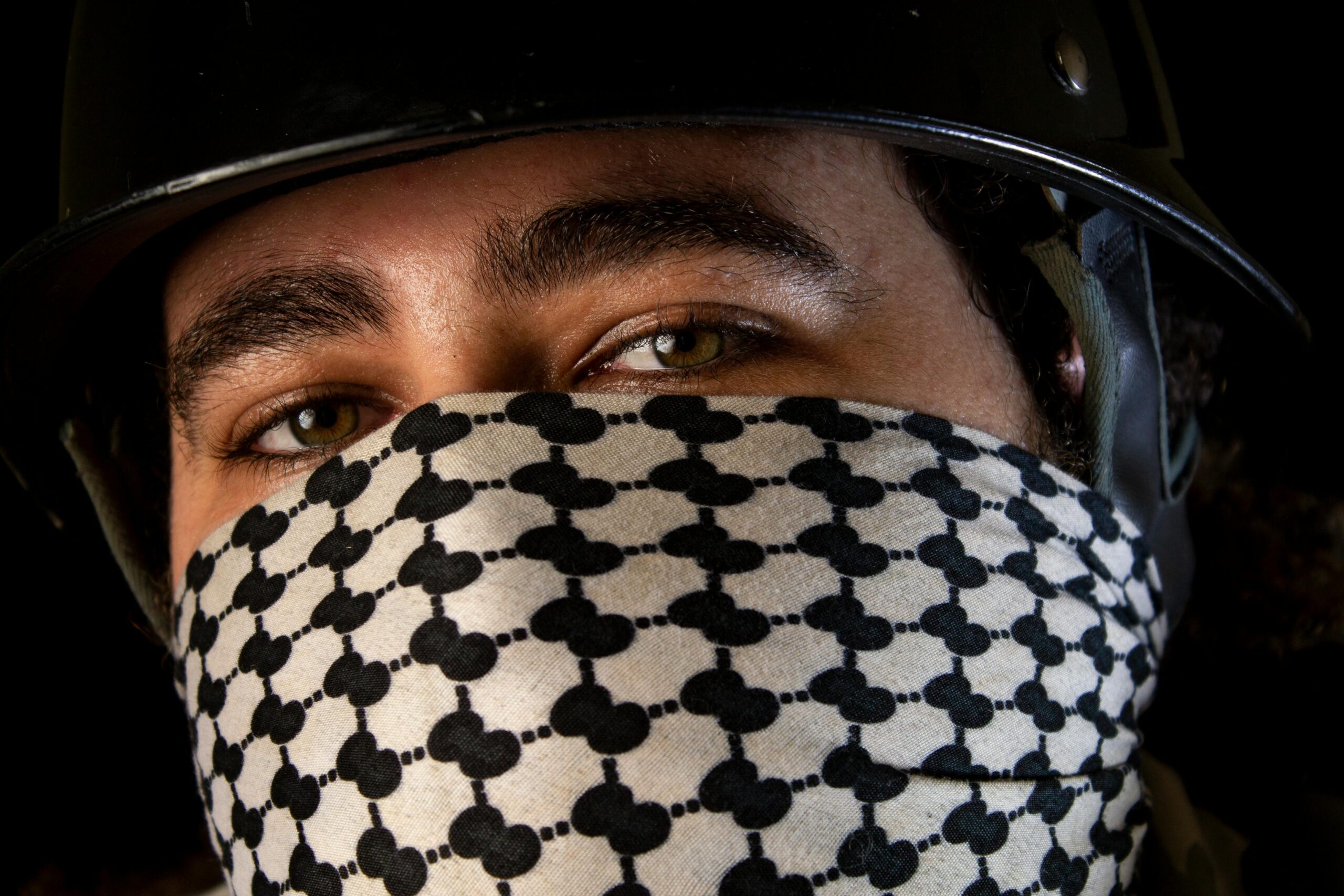
🌐 Building a Security-Conscious Digital Life
The sophistication of modern spoofing attacks might seem overwhelming, but practical defenses exist and continue improving. By understanding the sensory systems attackers target, implementing layered protection strategies, and maintaining security awareness, you significantly reduce your vulnerability to identity theft and unauthorized access.
Remember that perfect security doesn’t exist—the goal is raising the difficulty and cost of attacks to levels that make you an unattractive target. Most attackers seek easy opportunities, moving on when they encounter robust defenses. Your sensory identifiers—your face, voice, fingerprints, and behavioral patterns—are valuable assets worth protecting with the same care you apply to physical valuables.
Technology will continue evolving, bringing both new conveniences and new risks. Staying informed about emerging threats and protection strategies, questioning unusual authentication requests, and maintaining healthy skepticism about security claims will serve you well regardless of how the threat landscape shifts.
The unmasking of spoofing truth reveals that while threats are real and growing, comprehensive protection strategies combining technology, awareness, and prudent behavior provide effective defense. Your identity is yours to protect—use the sensory-based strategies outlined here to keep it secure in an increasingly complex digital world. 🔐✨