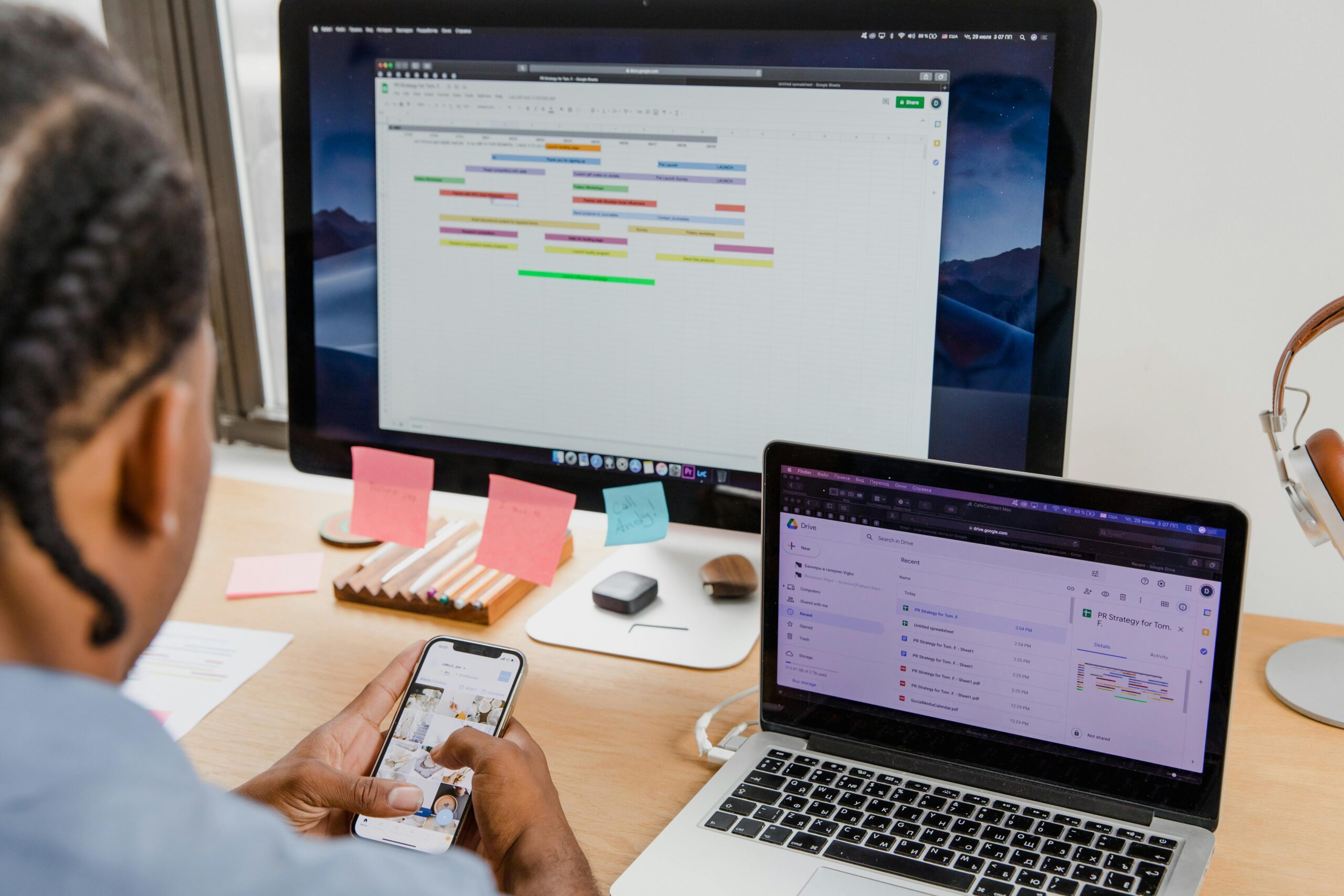
Authentication is evolving beyond passwords and PINs, embracing multi-sensory design to create truly inclusive digital experiences for everyone, regardless of ability.

In today’s digital landscape, the way we prove our identity online has become increasingly complex yet paradoxically more exclusive. Traditional authentication methods—passwords, security questions, and even two-factor authentication codes—create significant barriers for millions of users worldwide. People with visual impairments struggle with CAPTCHA challenges, those with motor disabilities find typing complex passwords frustrating, and individuals with cognitive differences may face difficulties remembering multiple authentication credentials.
The concept of multi-sensory authentication represents a paradigm shift in how we approach digital security and accessibility. By engaging multiple senses—sight, sound, touch, and even proprioception—we can create authentication systems that adapt to individual needs rather than forcing users to adapt to rigid technological constraints. This approach doesn’t just benefit users with disabilities; it enhances the experience for everyone, creating more intuitive, memorable, and secure authentication pathways.
🔐 The Accessibility Crisis in Current Authentication Systems
Current authentication methods present numerous challenges that disproportionately affect users with disabilities. Visual CAPTCHA systems, designed to distinguish humans from bots, ironically make it nearly impossible for blind or visually impaired users to access services. Audio alternatives often feature distorted sounds that are equally challenging for users with hearing impairments or auditory processing difficulties.
Password requirements have become increasingly stringent, demanding combinations of uppercase and lowercase letters, numbers, and special characters. While this enhances security, it creates cognitive load that can be overwhelming for users with dyslexia, ADHD, or memory-related conditions. Screen readers struggle with complex authentication interfaces, and time-limited verification codes create anxiety for users who need additional time to process information.
Moreover, biometric authentication—while innovative—has its own accessibility challenges. Fingerprint scanners may not work for users with certain skin conditions or manual dexterity issues. Facial recognition can fail for individuals with facial differences or those who use assistive devices. Voice recognition systems may not accommodate speech impediments or environmental noise constraints.
🌈 Understanding Multi-Sensory Design Principles
Multi-sensory design in authentication goes beyond simply offering alternative input methods. It involves creating systems that can seamlessly integrate information from multiple sensory channels, allowing users to authenticate using their strongest abilities rather than being limited by their challenges.
This approach draws inspiration from universal design principles, which advocate for creating products and environments usable by all people to the greatest extent possible without adaptation or specialized design. In authentication contexts, this means developing systems that naturally accommodate diverse user needs from the ground up rather than bolting on accessibility features as afterthoughts.
Core Components of Multi-Sensory Authentication
Effective multi-sensory authentication systems incorporate several key elements. First, they provide redundancy through multiple sensory pathways, ensuring that if one channel is unavailable or challenging for a user, alternatives exist. Second, they maintain equivalent experiences across different modalities—a user authenticating through audio cues should have the same security level and efficiency as someone using visual methods.
Third, these systems embrace personalization, learning individual user preferences and adapting accordingly. Fourth, they maintain security standards across all modalities without compromising protection in the name of accessibility. Finally, they incorporate feedback mechanisms that engage multiple senses simultaneously, creating richer, more memorable authentication experiences.
🎯 Innovative Multi-Sensory Authentication Methods
Several emerging authentication approaches exemplify multi-sensory design excellence. Haptic authentication uses vibration patterns that users can feel and remember, creating memorable sequences that don’t rely on visual or auditory capabilities. These patterns can be as secure as traditional passwords while being more intuitive and accessible.
Spatial audio authentication presents sounds from different directional sources, asking users to identify sequences or patterns based on sound location. This method engages spatial reasoning and auditory processing, offering an alternative for users who struggle with visual interfaces while maintaining high security standards.
Gesture-based authentication allows users to draw patterns or perform specific movements that sensors can detect. When combined with haptic feedback, this creates a multi-sensory loop that reinforces the authentication action through both kinesthetic input and tactile response.
Rhythmic and Pattern Recognition Systems
Rhythm-based authentication asks users to tap out patterns in specific tempos, engaging temporal processing abilities. This method proves particularly effective for users with visual impairments and creates memorable authentication sequences that feel more like musical expression than security challenges.
Multi-dimensional pattern recognition combines visual, auditory, and tactile elements simultaneously. Users might need to match a color sequence while hearing corresponding tones and feeling specific vibration patterns, engaging multiple brain regions and creating robust memory traces that enhance both security and recall.
💡 Implementing Multi-Sensory Solutions in Real-World Applications
Financial institutions are beginning to explore multi-sensory authentication for mobile banking applications. Some banks now offer voice biometrics combined with behavioral analysis—examining how users hold their phones and navigate through menus—to create comprehensive authentication profiles that don’t rely solely on passwords or PINs.
Healthcare systems, which require both stringent security and broad accessibility, are adopting multi-modal authentication that combines traditional methods with newer approaches. Patients can choose to authenticate using facial recognition, voice patterns, or even typing rhythm analysis, depending on their abilities and preferences.
Educational platforms are implementing multi-sensory authentication to ensure students with diverse abilities can securely access learning materials. These systems might offer visual puzzle authentication, audio sequence matching, or haptic pattern recognition, all maintaining equivalent security while accommodating different learning styles and abilities.
🔬 The Science Behind Multi-Sensory Memory and Security
Cognitive science research demonstrates that multi-sensory experiences create stronger, more durable memories than single-sense experiences. When authentication engages multiple senses simultaneously, users form richer mental representations that are easier to recall and harder for attackers to replicate or steal.
The brain’s cross-modal processing capabilities mean that experiencing information through multiple senses creates redundant neural pathways. If one pathway is blocked or degraded—whether through disability, environmental factors, or simple distraction—alternative pathways remain available, ensuring consistent authentication success.
Multi-sensory authentication also leverages the brain’s pattern recognition capabilities across different modalities. Humans naturally excel at recognizing patterns whether visual, auditory, tactile, or kinesthetic. By offering authentication options across these modalities, systems tap into innate human cognitive strengths rather than imposing arbitrary memorization demands.
Security Through Diversity
Counterintuitively, offering multiple authentication pathways can actually enhance security rather than creating vulnerabilities. Attackers typically specialize in exploiting specific authentication methods—password cracking, fingerprint spoofing, or facial recognition bypass. Multi-sensory systems force potential attackers to master multiple attack vectors simultaneously, significantly increasing the difficulty of unauthorized access.
Furthermore, behavioral biometrics embedded within multi-sensory authentication—such as the specific way someone performs a gesture or taps a rhythm—add additional security layers that are nearly impossible to replicate without extensive observation and practice.
🌍 Global Perspectives on Inclusive Authentication
Different cultures approach sensory preferences and abilities differently, making multi-sensory authentication particularly valuable for global applications. In regions where smartphone penetration is high but literacy rates vary, audio and haptic authentication methods provide more inclusive access than text-based systems.
Cultural considerations also influence which sensory modalities feel most natural and trustworthy. Some cultures emphasize visual information processing, while others prioritize auditory or kinesthetic learning. Multi-sensory systems accommodate these cultural variations without requiring region-specific adaptations.
Aging populations worldwide benefit tremendously from multi-sensory authentication. As visual acuity, hearing, and fine motor control naturally decline with age, systems that offer multiple authentication pathways ensure that older adults can continue accessing digital services independently, maintaining autonomy and dignity.
⚡ Technical Considerations for Developers
Implementing multi-sensory authentication requires thoughtful technical architecture. Systems must detect available sensory input and output capabilities on user devices, gracefully adapting to limitations. A smartphone with a broken speaker should seamlessly offer alternative authentication methods without degrading the user experience.
Privacy considerations become paramount when collecting multi-modal biometric data. Developers must implement robust encryption, local processing where possible, and transparent data handling policies. Users should understand exactly what sensory data is collected, how it’s stored, and who can access it.
Standardization efforts are underway to create consistent multi-sensory authentication protocols. These standards will enable interoperability across platforms and devices, ensuring users don’t need to learn entirely new authentication methods for each service they access.
Testing for True Inclusivity
Effective multi-sensory authentication systems require extensive testing with diverse user groups. This includes people with various disabilities, different age groups, multiple cultural backgrounds, and varying technological literacy levels. Automated accessibility testing tools provide baseline assurance, but real user testing reveals nuanced challenges that algorithms might miss.
Continuous feedback loops allow systems to evolve based on actual usage patterns. Machine learning algorithms can identify when users consistently struggle with certain authentication modalities and proactively suggest alternatives, creating systems that become more accessible over time.
🚀 The Future of Authentication Inclusivity
Emerging technologies promise even more inclusive authentication possibilities. Brain-computer interfaces, while still experimental, could eventually allow direct neural authentication for users with severe physical disabilities. Olfactory authentication—using scent recognition—represents an unexplored sensory frontier that could add another dimension to multi-sensory systems.
Augmented reality and virtual reality platforms will require authentication methods that work within immersive environments. Multi-sensory approaches naturally extend to these contexts, offering spatial, auditory, and haptic authentication that feels native to three-dimensional digital spaces.
Artificial intelligence will increasingly personalize multi-sensory authentication, learning individual user preferences and capabilities over time. These systems might automatically adjust based on context—offering simpler authentication for low-risk actions and multi-layered sensory verification for sensitive transactions.
🎓 Building Awareness and Adoption
The greatest barrier to multi-sensory authentication isn’t technical—it’s educational. Many organizations simply aren’t aware that inclusive alternatives exist or understand why traditional methods create barriers. Advocacy efforts must continue highlighting both the ethical imperative and business case for accessible authentication.
User education is equally important. People have been conditioned to accept passwords and PINs as inevitable inconveniences. Introducing them to multi-sensory alternatives requires demonstrating both the accessibility benefits and the enhanced user experience these systems provide. When users understand they can authenticate more quickly, securely, and naturally through multi-sensory methods, adoption accelerates.
Regulatory frameworks are beginning to mandate digital accessibility, creating compliance incentives for organizations to adopt inclusive authentication. The European Accessibility Act, Americans with Disabilities Act updates, and similar legislation worldwide establish that accessible authentication isn’t optional—it’s a legal requirement and fundamental right.
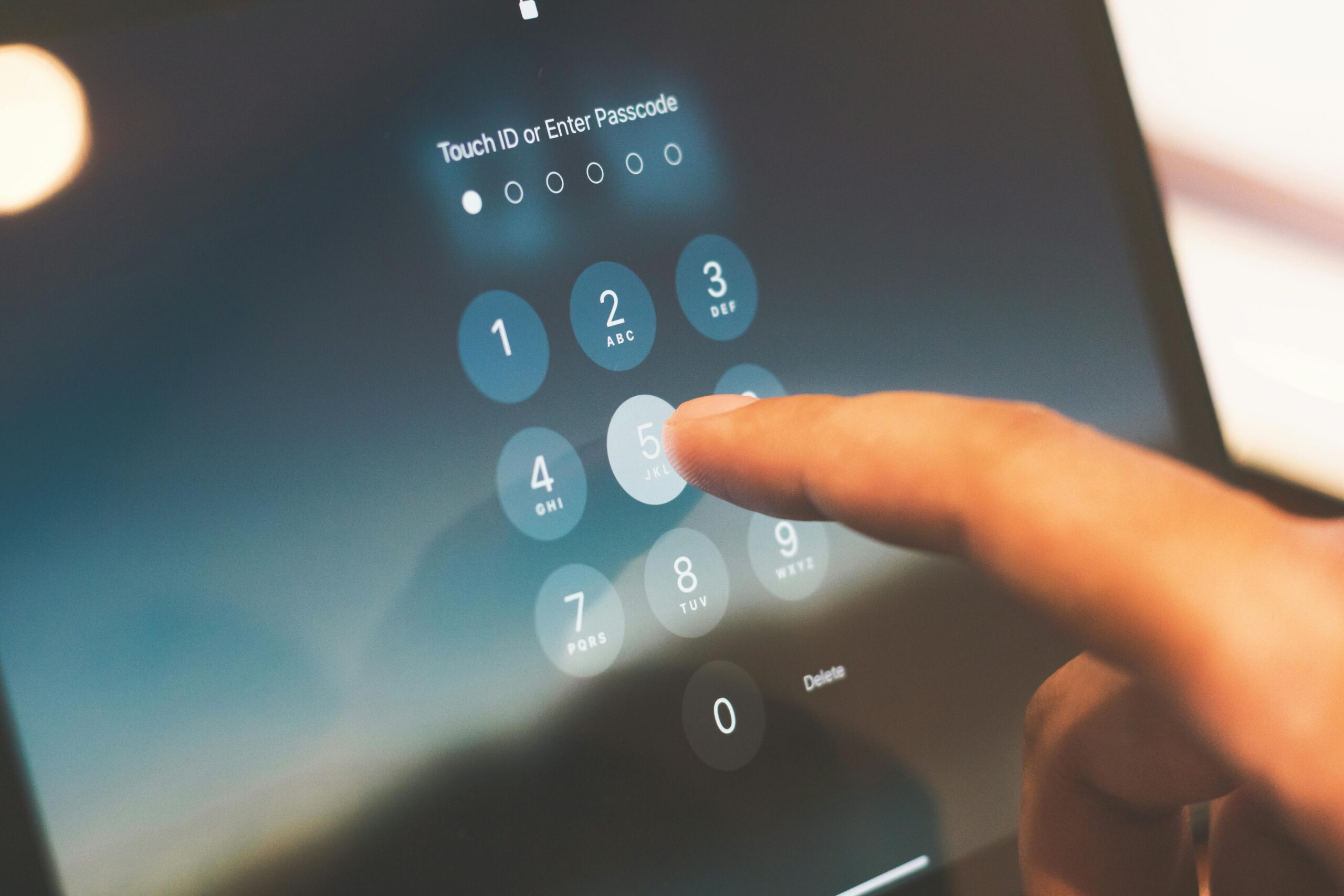
🌟 Transforming Digital Experiences for Everyone
Multi-sensory authentication represents more than technological innovation—it embodies a philosophical shift toward genuinely inclusive digital design. By recognizing that humans interact with the world through multiple, interconnected senses, we can create authentication systems that respect and leverage this natural diversity rather than forcing everyone through identical, limited pathways.
The benefits extend far beyond accessibility compliance. Users authenticate more quickly and confidently when using their strongest sensory capabilities. Security improves through diverse verification methods that are harder to compromise. Organizations reduce support costs associated with forgotten passwords and authentication failures. Everyone wins when inclusivity becomes the design foundation rather than an afterthought.
As digital services become increasingly central to daily life—from banking and healthcare to education and employment—ensuring everyone can securely access these services becomes a matter of social justice. Multi-sensory authentication isn’t just about making existing systems slightly more accessible; it’s about fundamentally reimagining authentication to work for all human beings, regardless of ability.
The revolution in inclusive authentication has begun, driven by technological capability, user demand, and ethical imperative. Organizations that embrace multi-sensory design today position themselves as leaders in accessibility while creating superior experiences for all users. Those that cling to outdated, exclusionary authentication methods will increasingly find themselves on the wrong side of both user expectations and regulatory requirements. The future of authentication is multi-sensory, inclusive, and designed for the beautiful diversity of human experience. 🚀