Sensory cues transform how users interact with digital interfaces, creating memorable experiences that boost accuracy and engagement in ways traditional design cannot match.

🎯 Why Sensory Feedback Matters in Digital Experiences
In an increasingly digital world, the gap between human expectation and interface response has never been more critical. Users navigate countless applications, websites, and platforms daily, yet many interactions feel disconnected and impersonal. This disconnect leads to errors, frustration, and abandoned tasks. The solution lies in understanding how our brains process information through multiple sensory channels simultaneously.
Sensory cues leverage our natural perceptual abilities to create intuitive interfaces that feel responsive and alive. When users receive visual, auditory, or haptic feedback, their brains confirm that an action has registered, reducing uncertainty and improving task completion rates. Research consistently shows that multi-sensory feedback can improve user accuracy by up to 40% compared to single-channel interfaces.
The power of sensory design extends beyond simple confirmation. It creates emotional connections, builds trust, and establishes patterns that users internalize over time. When implemented thoughtfully, sensory cues become invisible guides that help users navigate complex systems without conscious effort.
📊 The Science Behind Sensory Processing and Accuracy
Human perception operates through multiple pathways simultaneously, with each sensory channel contributing unique information to our understanding of the world. The brain integrates these signals in milliseconds, creating a unified experience that feels seamless and natural. This multisensory integration forms the foundation for why well-designed sensory cues dramatically improve user performance.
The vestibular system, proprioception, and classic five senses work together to create spatial awareness and confirm actions. When digital interfaces tap into these natural processing mechanisms, they align with how our brains are wired to operate. This alignment reduces cognitive load, freeing mental resources for higher-level tasks rather than basic interface navigation.
Visual Sensory Cues That Drive Precision
Visual feedback remains the dominant sensory channel in most digital interactions, but its implementation varies dramatically in effectiveness. Color changes, animations, and progressive disclosure all serve as visual cues, yet their impact depends entirely on timing, intensity, and context. A button that changes color instantly upon touch confirms selection, while a delayed response creates doubt.
Motion design has emerged as particularly powerful for guiding user attention and confirming actions. When an element smoothly transitions between states, users perceive continuity and causation. This perceived connection between action and result strengthens user confidence and reduces errors caused by uncertainty about whether an input registered.
Microinteractions represent the pinnacle of visual sensory feedback. These small, purposeful animations acknowledge user input, provide status updates, and prevent errors before they occur. A form field that gently shakes when invalid data is entered communicates the problem instantly, without requiring users to read error messages or scan the interface for warnings.
🔊 Auditory Signals That Confirm and Guide Actions
Sound creates immediate, attention-grabbing feedback that doesn’t require visual focus. This characteristic makes auditory cues invaluable for multitasking scenarios or when users need to divide attention across multiple information sources. A subtle click sound when pressing a virtual button provides confirmation that sight alone cannot match in certain contexts.
However, auditory design requires careful balance. Too many sounds create noise and annoyance, while too few miss opportunities for confirmation. The most effective auditory cues are brief, distinctive, and contextually appropriate. They should enhance the experience without becoming intrusive or distracting from primary tasks.
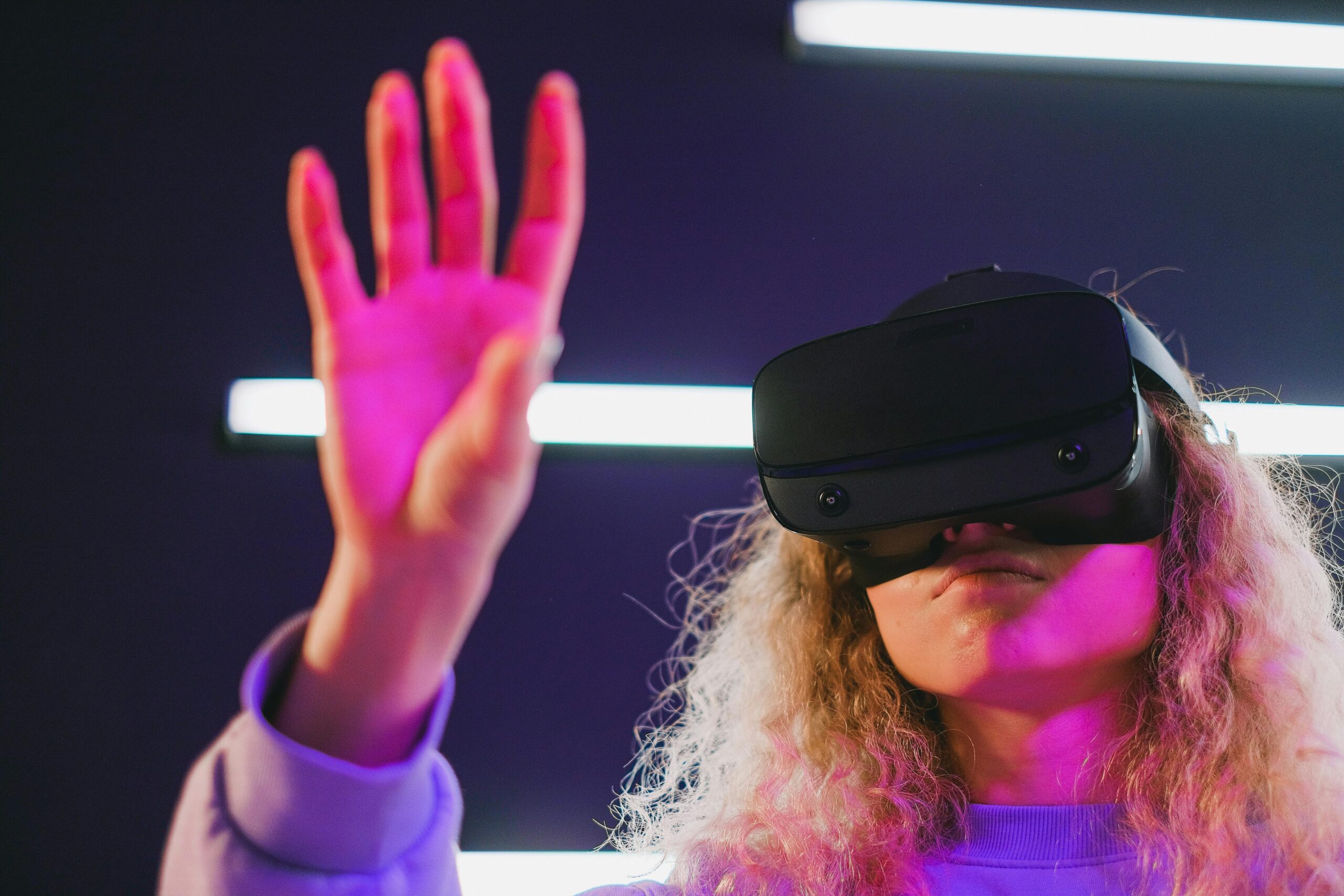
Spatial audio introduces another dimension to auditory feedback, particularly in virtual and augmented reality environments. Directional sound cues help users locate interface elements, understand spatial relationships, and receive feedback that feels naturally integrated into their environment rather than artificially imposed.
The Haptic Revolution in User Interfaces
Tactile feedback bridges the physical-digital divide in ways that visual and auditory cues cannot. When users feel a device respond to their touch, the interaction becomes tangible and real. Modern haptic technology has evolved far beyond simple vibrations, now capable of simulating textures, resistance, and complex tactile patterns.
High-definition haptics can recreate the sensation of clicking a physical button, turning a dial, or even sensing the texture of virtual objects. This level of fidelity creates confidence in digital interactions, reducing the disconnect users often feel when manipulating purely visual elements. Studies demonstrate that haptic feedback can reduce input errors by up to 25% in precision tasks.
The timing of haptic feedback proves just as critical as its intensity or pattern. Feedback that occurs too late feels disconnected from the action, while overly aggressive haptics can fatigue users or feel unnatural. The ideal haptic response occurs within 10-20 milliseconds of user input, creating a seamless cause-and-effect relationship.
💼 Real-World Case Studies: Sensory Design in Action
Examining concrete examples reveals how organizations have leveraged sensory cues to solve specific user accuracy problems. These case studies demonstrate both the potential and the pitfalls of sensory design, offering valuable lessons for implementation.
Case Study: Medical Device Interface Redesign
A leading medical device manufacturer faced serious concerns about dosing errors in their insulin pump interface. Users reported uncertainty about whether dose adjustments had registered, leading to double-entries and potentially dangerous situations. The company implemented a comprehensive sensory feedback system addressing the problem from multiple angles.
Visual feedback included clear state changes with color coding that indicated confirmed versus pending actions. Auditory cues provided distinct tones for different dose levels, helping users verify selections without looking at the screen. Most significantly, haptic pulses corresponded to dose increments, allowing users to count clicks tactilely while adjusting medication levels.
The results were dramatic. Dosing errors decreased by 67% in clinical trials, while user confidence scores increased by 52%. The multi-sensory approach meant that users could verify actions through multiple channels, creating redundancy that caught errors before they became critical. The FDA specifically cited the sensory feedback system as a key safety feature during the approval process.
Case Study: E-Commerce Checkout Optimization
An online retailer struggled with shopping cart abandonment rates that exceeded industry averages. User research revealed that customers felt uncertain about whether payment information had been entered correctly, leading to abandonment at the final checkout stage. The company redesigned their checkout flow with layered sensory feedback addressing each concern.
Form fields provided immediate visual validation with green checkmarks for correctly formatted entries and gentle orange highlights for fields requiring attention. Subtle haptic feedback on mobile devices confirmed button presses, reducing accidental double-submissions. A satisfying sound effect accompanied successful form completion, creating positive emotional associations with checkout.
Conversion rates improved by 23% within the first month of implementation. Customer support inquiries about checkout problems dropped by 41%, suggesting that users understood the process more intuitively. Exit surveys indicated that customers felt more confident in their purchases, with 68% reporting that the checkout process felt “reassuring and clear.”
🎮 Gaming Interfaces: Masters of Sensory Integration
The gaming industry has pioneered sensory design techniques that other sectors are only beginning to adopt. Modern games seamlessly blend visual, auditory, and haptic feedback to create immersive experiences where user inputs feel tangible and responsive. These techniques translate directly to productivity applications and enterprise software.
Controller haptics in modern gaming consoles can simulate the tension of drawing a bowstring, the recoil of a weapon, or the texture of different terrain. This level of sensory detail doesn’t just enhance entertainment value—it improves player accuracy and reaction times by providing continuous environmental feedback through touch.
Adaptive triggers that provide variable resistance based on in-game actions demonstrate how tactile feedback can communicate complex information instantly. A trigger that becomes harder to press as a resource depletes provides intuitive feedback that requires no visual attention, allowing players to allocate cognitive resources to strategy rather than resource monitoring.
🏥 Accessibility Benefits of Multi-Sensory Design
Sensory cues dramatically improve accessibility by providing information through multiple channels simultaneously. Users with visual impairments benefit from auditory and haptic feedback that confirms actions without requiring sight. Similarly, users with hearing impairments can rely on visual and tactile cues for the same information.
This redundancy creates inclusive designs that work for broader user populations without requiring separate accessible versions. When interfaces naturally incorporate multiple sensory channels, they accommodate diverse abilities while improving the experience for all users. The curb-cut effect demonstrates how accessibility improvements benefit everyone, not just those with specific needs.
Customizable sensory settings represent best practice in accessible design. Allowing users to adjust feedback intensity, choose preferred sensory channels, or disable certain cues entirely ensures that interfaces work across the full spectrum of human sensory abilities and preferences.
🔧 Implementing Sensory Cues: Practical Guidelines
Successful sensory design requires careful planning and testing. Begin by mapping critical user actions that require confirmation or where errors commonly occur. These high-stakes interactions should receive the most robust sensory feedback, creating multiple confirmation channels that catch mistakes before they become problems.
Consider the context of use when designing sensory feedback. Mobile applications used in public spaces may require primarily haptic and visual cues, while desktop applications in quiet office environments can leverage subtle audio more effectively. Understanding usage contexts prevents designing feedback that becomes inappropriate or ineffective in real-world conditions.
Timing and Intensity Calibration
The effectiveness of sensory cues depends critically on their timing and intensity. Feedback that arrives too late feels disconnected, while overly intense feedback becomes annoying or fatiguing. Aim for feedback latency under 50 milliseconds for touch interactions, with visual and haptic responses synchronized to feel simultaneous.
Intensity should match the significance of the action. Minor interactions like hovering over buttons warrant subtle feedback, while confirming a purchase or deleting data justifies more pronounced sensory responses. This graduated approach helps users intuitively understand action importance through sensory weight.
Testing and Iteration Strategies
User testing reveals how real people experience sensory feedback in context. Watch for signs of confusion, repeated actions, or verification behaviors that suggest users don’t trust the feedback they’re receiving. A/B testing different sensory combinations helps identify which channels resonate most effectively with your specific user base.
Instrumentation can measure objective accuracy improvements, but qualitative feedback captures the emotional and trust-building aspects of sensory design. Ask users about their confidence levels, perceived responsiveness, and whether they felt in control throughout their interactions. These subjective measures often predict long-term engagement better than pure accuracy metrics.
🚀 Future Trends in Sensory Interface Design
Emerging technologies promise to expand the sensory design palette dramatically. Ultrasonic haptics can create tactile sensations in mid-air without physical contact, enabling haptic feedback for gesture controls and augmented reality interfaces. These contactless haptics will allow sensory confirmation for interactions that currently lack tactile dimensions.
Olfactory interfaces remain experimental but show promise for specific applications where scent provides meaningful context or emotional connections. While unlikely to become mainstream in productivity software, olfactory cues may find niches in retail, wellness, and experiential applications where smell authentically enhances the experience.
Artificial intelligence will enable adaptive sensory feedback that learns individual user preferences and automatically adjusts to different contexts. Imagine interfaces that increase haptic intensity when they detect user uncertainty or reduce auditory feedback in noisy environments automatically. This intelligent adaptation could optimize sensory experiences individually rather than relying on one-size-fits-all approaches.
⚡ Measuring the Impact of Sensory Enhancement
Quantifying sensory design improvements requires appropriate metrics that capture both objective performance and subjective experience. Task completion rates, error frequencies, and completion times provide hard data about accuracy improvements. These metrics should be measured before and after sensory enhancements to establish clear causation.
User confidence and satisfaction scores offer insight into the emotional impact of sensory feedback. The System Usability Scale (SUS) and similar instruments can detect improvements in perceived usability even when objective performance gains are modest. Often, users who feel more confident make fewer errors regardless of interface capabilities.
Long-term engagement metrics reveal whether sensory improvements create lasting value. Retention rates, feature adoption, and voluntary user returns indicate whether sensory enhancements truly resonate with users or merely create novelty that wears off quickly. Sustainable improvements show consistent benefits across extended timeframes.
🎨 Balancing Aesthetics and Functionality
Effective sensory design must balance functional feedback with aesthetic coherence. Sensory cues should feel integrated into the overall design language rather than grafted onto an existing interface. When visual animations, sounds, and haptics share consistent characteristics and personality, they reinforce brand identity while improving usability.
The concept of “sensory grammar” helps maintain consistency across an interface. Just as visual design systems define color palettes and typography rules, sensory grammars establish patterns for how different actions produce feedback. Button presses might always generate brief haptic pulses, while successful completions produce longer, more satisfying tactile responses.
Restraint prevents sensory overload and maintains focus on primary tasks. Not every interaction requires multi-sensory feedback. Reserve the richest sensory responses for meaningful actions while keeping routine interactions subtle. This hierarchy helps users distinguish important moments from mundane operations intuitively.
🌟 Building Trust Through Responsive Design
Ultimately, sensory cues succeed by building trust between users and interfaces. When systems respond predictably and immediately to user input across multiple sensory channels, users develop confidence in their ability to control outcomes. This trust reduces anxiety, encourages exploration, and leads to more accurate, efficient interactions.
The investment in thoughtful sensory design pays dividends through reduced errors, increased satisfaction, and stronger user relationships. As interfaces become more complex and pervasive, the need for intuitive, multi-sensory feedback will only intensify. Organizations that master sensory design today position themselves as leaders in user experience tomorrow.
By understanding how humans naturally process information through multiple senses and designing interfaces that speak this native language, we create digital experiences that feel less like technology and more like natural extensions of human capability. This alignment between human perception and interface design represents the future of accurate, engaging, and truly user-centered digital products.