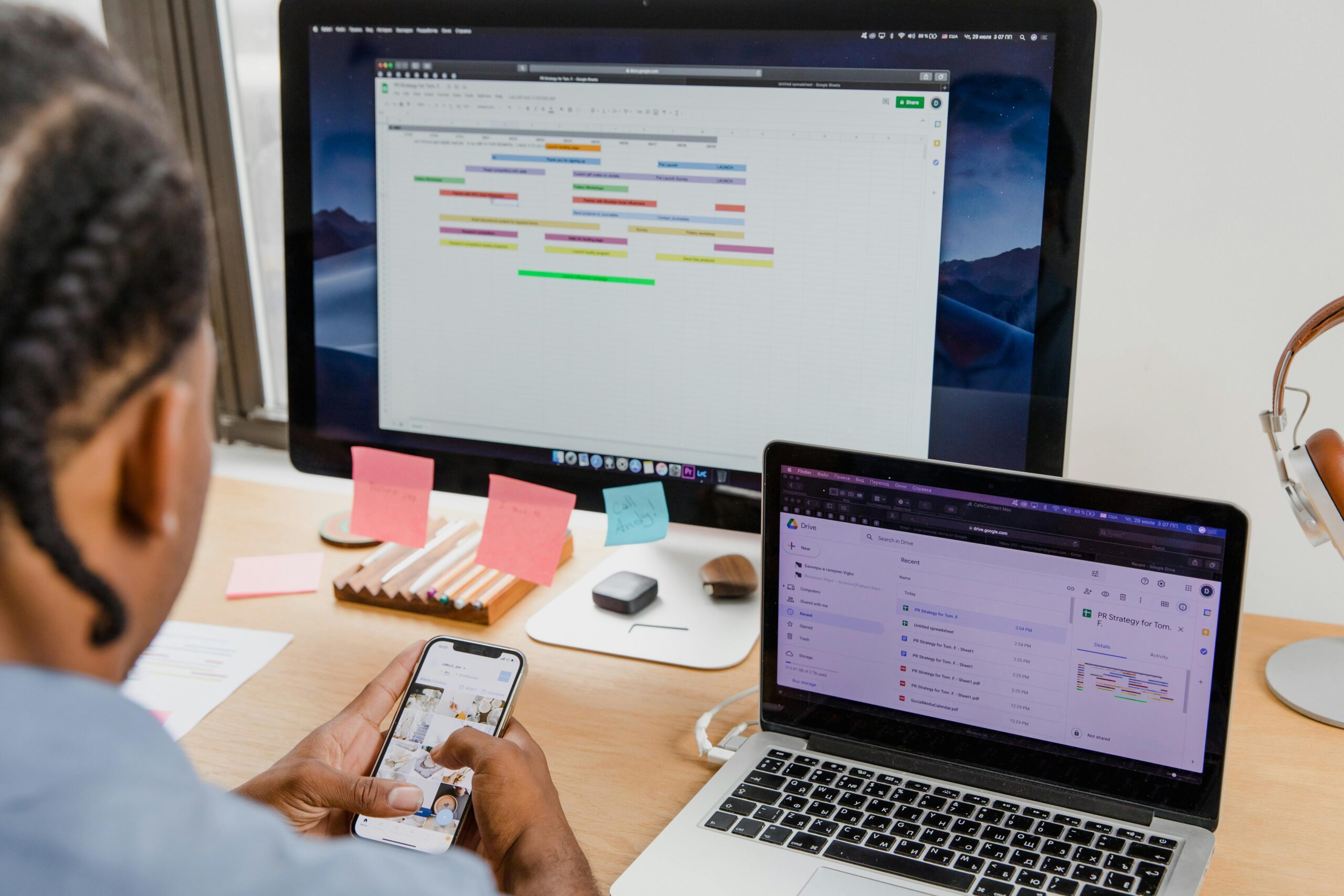
In a world where every notification pulls at our attention, impulsive clicking has become the silent thief of our productivity, peace, and emotional well-being.

We’ve all been there—reaching for our phones without thinking, clicking through apps mindlessly, and suddenly realizing an hour has vanished. This automatic behavior isn’t just a bad habit; it’s a response rooted in our emotional landscape. Understanding the connection between our feelings and our clicking patterns is the first step toward reclaiming control over our digital lives.
The journey to mastering emotional regulation strategies begins with recognizing that every click carries an emotional signature. Whether we’re seeking distraction from uncomfortable feelings, chasing the dopamine hit of new content, or avoiding challenging tasks, our fingers move before our minds can intervene. But what if we could create a pause between feeling and clicking?
🧠 The Neuroscience Behind Your Clicking Compulsion
Our brains are wired for instant gratification, and technology companies know this better than anyone. Each notification, like, or new piece of content triggers a release of dopamine—the same neurotransmitter associated with pleasure and reward. Over time, our brains begin to crave these micro-hits of satisfaction, creating a loop that’s remarkably similar to addiction patterns.
The prefrontal cortex, responsible for decision-making and impulse control, takes a backseat when we’re operating on autopilot. Meanwhile, the limbic system—our emotional center—drives the bus. This explains why we often click impulsively when we’re stressed, anxious, bored, or lonely. We’re not weak-willed; we’re simply human beings responding to carefully engineered stimuli.
Research shows that the average person touches their phone over 2,600 times per day. That’s not a reflection of necessity—it’s a testament to how deeply our emotional needs have become entangled with our digital devices. Breaking free requires more than willpower; it demands a complete restructuring of our emotional response system.
✨ Identifying Your Emotional Triggers
Before you can stop impulsive clicking, you need to understand what emotions drive you to reach for your device. This self-awareness is the foundation of all emotional regulation strategies. Different emotions create different clicking patterns, and recognizing yours is crucial.
Anxiety often manifests as compulsive checking behavior. You might find yourself refreshing email, social media, or news feeds repeatedly, searching for updates that rarely come. This clicking pattern is rooted in a need for control and certainty—two things our anxious minds desperately crave but rarely find online.
Boredom triggers a different type of clicking: the endless scroll. When we’re understimulated, our brains seek novelty and entertainment. The infinite feed becomes a digital pacifier, filling the void with content that’s engaging enough to capture attention but rarely satisfying enough to truly fulfill us.
Loneliness drives social media checking, as we search for connection and validation through likes, comments, and messages. Sadness might lead us to escape into videos or games. Stress often results in frantic app-switching as our overwhelmed minds seek relief in distraction.
Creating Your Personal Trigger Map
Spend one week documenting your clicking patterns. Every time you reach for your phone impulsively, pause and note the emotion you’re experiencing. Don’t judge yourself—simply observe. You might be surprised by the patterns that emerge.
Keep a simple log with three columns: time, emotion, and app. After a week, review your data. You’ll likely notice that certain emotions consistently lead you to specific digital behaviors. This awareness is powerful—it transforms unconscious reactions into conscious choices.
🛡️ Building Your Emotional Regulation Toolkit
Once you understand your triggers, you can develop alternative responses. Emotional regulation isn’t about suppressing feelings; it’s about experiencing them without immediately reaching for digital distraction. Here are evidence-based strategies that actually work.
The STOP Technique
When you feel the urge to click impulsively, use this four-step process:
- Stop: Physically pause what you’re doing. Put your hands in your lap or on your desk.
- Take a breath: Inhale deeply for four counts, hold for four, exhale for six. This activates your parasympathetic nervous system, reducing the urgency of the impulse.
- Observe: Notice what you’re feeling without judgment. Name the emotion: “I’m feeling anxious” or “I’m bored right now.”
- Proceed mindfully: Make a conscious choice about your next action. If you still want to check your phone, do it—but from a place of awareness rather than compulsion.
This technique interrupts the automatic stimulus-response cycle. With practice, the pause between trigger and action lengthens, giving you space to choose differently.
Emotional Surfing: Riding the Wave Without Clicking
Emotions are like waves—they rise, peak, and fall. Most emotional urges pass within 10-15 minutes if we don’t feed them with distraction. Instead of clicking to escape uncomfortable feelings, practice “surfing” them.
When an uncomfortable emotion arises, imagine yourself as a surfer riding its energy. Feel where it manifests in your body. Anxiety might tighten your chest; boredom might create restlessness in your limbs. Stay present with these physical sensations without trying to change them. Notice how the intensity naturally fluctuates.
This practice builds emotional tolerance—the capacity to experience feelings without immediately needing to fix or flee from them. Over time, you’ll discover that uncomfortable emotions are far less threatening than your clicking habit led you to believe.
📱 Restructuring Your Digital Environment
Emotional regulation strategies work best when combined with environmental design. Willpower is a limited resource, but smart structural changes create friction that supports your intentions.
The Grayscale Revolution
One of the most effective interventions is converting your phone to grayscale mode. Colors are emotionally stimulating—red notification badges trigger urgency, while vibrant app icons compete for attention. Grayscale dramatically reduces the visual appeal of your device, making impulsive clicking less tempting.
Most smartphones offer this option in accessibility settings. Try it for one week and notice how your relationship with your device shifts. Many people report that their phones become tools again rather than irresistible magnets for attention.
App Arrangement Strategies
Remove all apps from your home screen except tools you genuinely need throughout the day. Create intentional friction by burying time-wasting apps in folders several swipes away. This small barrier gives your prefrontal cortex time to catch up with your impulses.
For apps that exploit your emotional vulnerabilities, consider using app timers or blockers during high-risk periods. Several tools can help you implement these boundaries effectively.
Forest is an excellent option that gamifies focused time away from your phone. By planting virtual trees that grow when you’re not clicking around, it transforms emotional regulation into a rewarding experience.
🧘 Mindfulness Practices That Reduce Clicking Compulsions
Mindfulness isn’t just meditation—it’s a way of relating to your experience with curiosity rather than reactivity. Regular mindfulness practice strengthens the neural pathways associated with impulse control and emotional regulation.
The Five-Minute Morning Practice
Before checking your phone each morning, spend five minutes in conscious breathing. Sit comfortably, close your eyes, and focus on the natural rhythm of your breath. When your mind wanders to what might be waiting on your phone, gently return attention to breathing.
This practice sets an intentional tone for your day. It trains your brain to delay gratification and strengthens your capacity to sit with the discomfort of not knowing what notifications await. Over time, the morning phone-check loses its grip on your attention.
Body Scan for Digital Awareness
Throughout your day, pause periodically to scan your body for tension or discomfort. Often, we reach for our phones to escape physical sensations we’re not consciously aware of—tight shoulders from stress, restless energy from boredom, or the hollow feeling of loneliness.
By developing somatic awareness, you can address needs directly rather than medicating them with clicks. Tight shoulders might need stretching, not scrolling. Restless energy might need movement, not mindless browsing. Loneliness might need a real phone call to a friend rather than passive social media consumption.
💪 Building Alternative Coping Mechanisms
Every impulsive click serves a function—it meets a need, however ineffectively. To stop clicking, you must develop healthier ways to meet those same needs. This requires building a repertoire of alternative coping strategies.
For Anxiety and Stress
Instead of compulsive checking, try progressive muscle relaxation. Starting with your toes and moving upward, tense each muscle group for five seconds, then release. This physiological intervention directly counters the activation of your stress response.
Breathing exercises are also powerful. The 4-7-8 technique—inhaling for four counts, holding for seven, and exhaling for eight—activates your vagus nerve and reduces anxiety within minutes.
For Boredom and Understimulation
Keep a “boredom menu” of engaging activities that genuinely interest you—sketching, reading fiction, solving puzzles, or learning a new skill. When restlessness strikes, consult your menu rather than your apps.
Physical movement is particularly effective for boredom. A brief walk, some jumping jacks, or even standing and stretching interrupts the boredom-clicking cycle while providing genuine stimulation.
For Loneliness and Connection Needs
Social media clicking often represents a counterfeit solution to genuine connection needs. When loneliness drives you toward your phone, reach out to someone directly instead. Send a voice message, make a phone call, or schedule an in-person meeting.
If no one is immediately available, journaling about what you’re feeling can provide meaningful self-connection. Writing by hand engages different neural pathways than typing and creates a sense of companionship with yourself.
🔄 Creating Sustainable Behavior Change
Understanding emotional regulation and impulsive clicking is one thing; maintaining new habits over time is another. Lasting change requires strategies that work with human psychology rather than against it.
Implementation Intentions
Research shows that “if-then” plans dramatically increase success rates for behavior change. Instead of vague goals like “I’ll click less,” create specific plans: “If I feel anxious, then I’ll take three deep breaths before reaching for my phone” or “If I’m bored during my commute, then I’ll listen to a podcast instead of scrolling social media.”
Write down three to five implementation intentions that address your specific emotional triggers. Review them daily until they become automatic.
Progress Tracking Without Perfectionism
Monitor your progress, but avoid the all-or-nothing thinking that derails most behavior change attempts. You won’t stop impulsive clicking perfectly from day one—and that’s okay. What matters is the trend over time, not any single moment.
Track your daily “awareness wins”—moments when you recognized an emotional trigger and chose a healthier response, even if you eventually clicked anyway. Celebrate these victories. The awareness is the foundation; the different choice follows with practice.
Compassionate Self-Talk
How you speak to yourself about setbacks determines whether you’ll persist or give up. When you catch yourself clicking impulsively after committing not to, respond with curiosity rather than criticism: “Interesting—what was happening emotionally just then?” rather than “I’m so weak and undisciplined.”
Self-compassion isn’t self-indulgence; it’s the fuel for sustainable change. Research consistently shows that people who treat themselves kindly during setbacks recover faster and ultimately achieve better outcomes than those who self-criticize.
🌟 The Ripple Effects of Feeling More
As you master emotional regulation and reduce impulsive clicking, you’ll notice changes that extend far beyond your screen time statistics. Your relationships deepen because you’re more present. Your productivity soars because your attention becomes less fragmented. Your emotional resilience strengthens because you’re practicing sitting with discomfort rather than escaping it.
You’ll discover nuances of feeling that constant clicking had obscured. Boredom reveals itself as a gateway to creativity. Anxiety becomes information about what matters to you. Loneliness motivates genuine connection rather than digital approximations. These emotions, once feared and avoided, become allies in building a richer life.
Your nervous system will also thank you. The constant stimulation of impulsive clicking keeps your body in a low-grade stress state. As you create more spaciousness in your digital life, you’ll likely notice better sleep, lower baseline anxiety, and increased capacity for sustained focus.
🎯 Your Action Plan for the Next 30 Days
Transformation doesn’t happen through information alone—it requires implementation. Here’s a practical 30-day plan to integrate these emotional regulation strategies into your life.
Week 1: Awareness – Track your emotional triggers and clicking patterns without trying to change them. Install Forest or a similar app to help you become more aware of your phone use patterns. Set hourly reminders to check in with your emotional state.
Week 2: Interruption – Practice the STOP technique every time you reach for your phone. Don’t worry about changing the behavior yet—just create the pause. Convert your phone to grayscale and notice how it affects your clicking urges.
Week 3: Alternatives – For your top three emotional triggers, implement specific alternative coping strategies. Write out your implementation intentions and practice them deliberately. Start the five-minute morning breathing practice.
Week 4: Integration – Combine all strategies while focusing on self-compassion when setbacks occur. Review your progress, celebrating awareness wins rather than fixating on imperfect execution. Adjust your strategies based on what’s working.

🚀 Moving Forward With Intention
The goal isn’t to eliminate all clicking or to demonize technology. Digital tools can genuinely enhance our lives when we use them consciously rather than compulsively. The distinction lies in intentionality—choosing when, how, and why we engage with our devices rather than being jerked around by emotional impulses and algorithmic manipulation.
Mastering emotional regulation strategies to stop impulsive clicking is ultimately about reclaiming your attention and, with it, your life. Every moment spent present with your actual experience rather than lost in digital distraction is a moment of freedom. Every uncomfortable emotion you surf without clicking is evidence of your growing capacity to be with yourself.
This journey isn’t easy, particularly in a world designed to capture and monetize your attention. But it is profoundly worthwhile. On the other side of impulsive clicking lies a life of deeper feeling, genuine connection, and authentic presence. Your future self—calmer, more focused, and more fully alive—is waiting for you to begin.
Start today, start small, and start with compassion. Notice one emotional trigger. Create one conscious pause. Choose one alternative response. That single moment of awareness is the seed from which lasting change grows. Click less, feel more, and discover what becomes possible when you’re truly here for your own life. 🌱