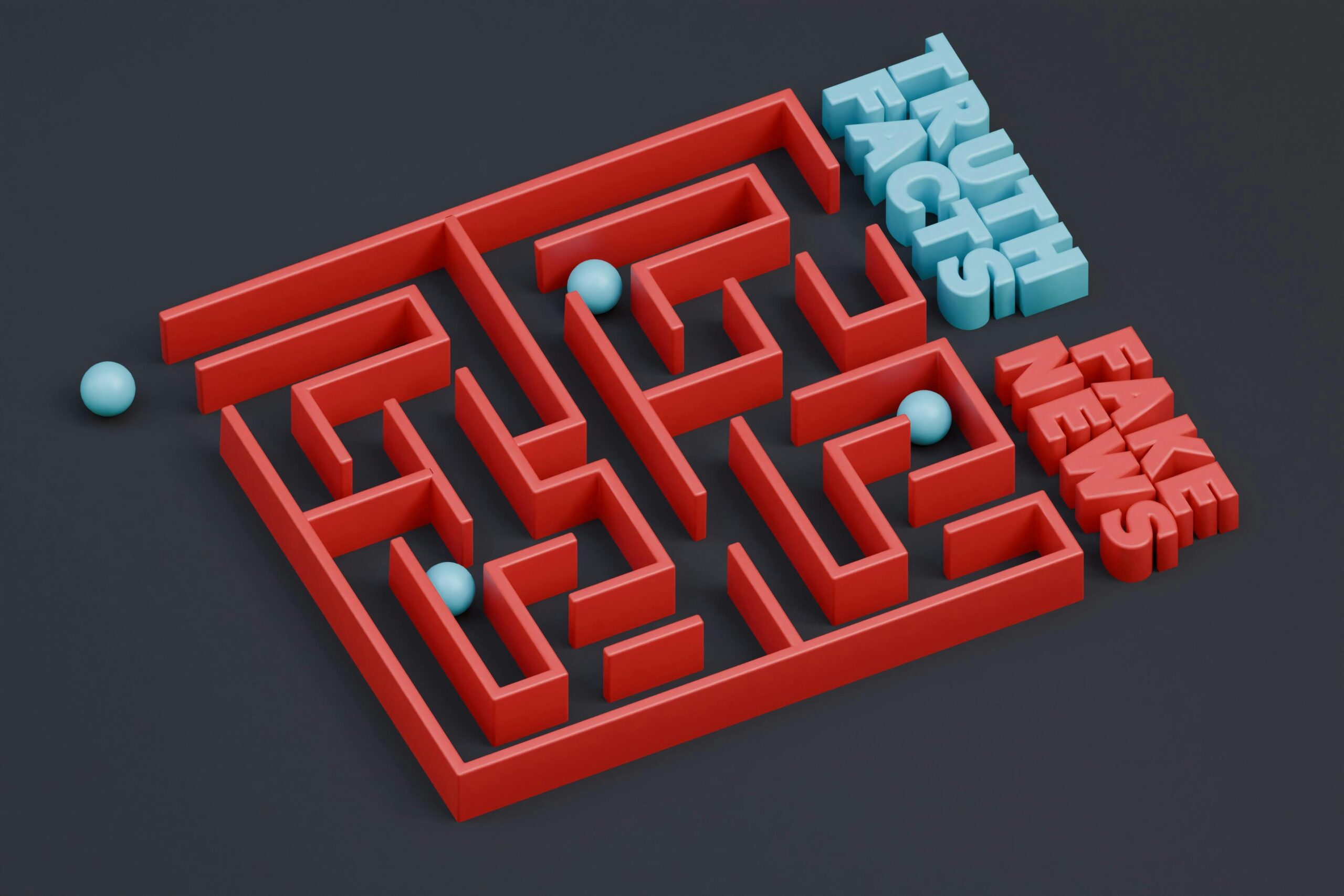
Human communication is a complex dance of words, gestures, and expressions that reveal far more than we consciously intend to share with others.

🔍 The Hidden Language of Deception
Every day, we engage in countless interactions where truth and deception intertwine. Research suggests that people lie, on average, once or twice per day, though most of these are minor falsehoods. Understanding the visual cues associated with dishonest communication has become increasingly valuable in professional settings, personal relationships, and security contexts. While no single behavior definitively proves someone is lying, recognizing patterns of deceptive body language can provide crucial insights into the authenticity of communication.
The study of deception detection has fascinated researchers, law enforcement professionals, and psychologists for decades. Unlike verbal communication, which we carefully control and rehearse, our bodies often betray our true intentions through involuntary micro-expressions, nervous gestures, and inconsistent behaviors. These visual signals create a roadmap that, when properly interpreted, can help us navigate the often murky waters of human interaction.
The Science Behind Dishonest Body Language
When people lie, they experience cognitive load—the mental effort required to fabricate a story while suppressing the truth. This additional mental burden often manifests physically in ways that trained observers can detect. The autonomic nervous system activates during deception, triggering physiological responses that are difficult to control consciously.
Neuroscientific research has shown that lying activates different brain regions than truth-telling. The prefrontal cortex, responsible for complex planning and decision-making, shows increased activity during deception. This heightened brain activity often translates into observable physical manifestations that leak through our attempts at composure.
Baseline Behavior: The Foundation of Detection
Before identifying deceptive signals, establishing a person’s baseline behavior is essential. Everyone has unique communication patterns, nervous habits, and typical gestures. What appears suspicious in one person might be completely normal for another. Observing how someone behaves during casual, low-stakes conversation provides the reference point against which deviations can be measured.
Professional interrogators and body language experts spend considerable time establishing this baseline before asking probing questions. They note patterns in eye contact, speech rate, hand movements, and posture during neutral topics. Only after understanding someone’s normal state can unusual behaviors be accurately flagged as potentially deceptive.
👁️ Eye Movement Patterns and Visual Access Cues
The eyes have long been called windows to the soul, and for good reason. Eye behavior during communication offers some of the most revealing clues about honesty and deception. However, popular myths about eye movement and lying have created misconceptions that need clarification.
Contrary to common belief, looking to the left or right doesn’t reliably indicate lying. The neurolinguistic programming theory suggesting specific eye directions correlate with truthfulness has been largely debunked by empirical research. Instead, researchers focus on more nuanced eye behaviors that accompany deceptive communication.
Gaze Aversion and Eye Contact Patterns
Liars often struggle with maintaining appropriate eye contact. Some overcompensate by staring intensely, attempting to appear sincere and credible. This prolonged, unblinking stare can feel uncomfortable and unnatural. Others avoid eye contact entirely, finding it difficult to maintain visual connection while constructing false narratives.
The timing of eye contact shifts also matters. People telling the truth typically maintain relatively consistent eye contact patterns throughout their narrative. Deceivers may look away specifically when delivering key false information, then resume eye contact afterward. This momentary break occurs during the cognitive peak of fabricating details.
Pupil Dilation and Blink Rate Changes
Subtle physiological changes in the eyes can signal deception. Increased cognitive load often causes pupil dilation, though this requires close observation and controlled lighting conditions. Blink rate changes are more noticeable—people may blink more frequently when lying due to stress, or less frequently when concentrating intensely on maintaining their fabricated story.
Facial Expressions: The Micro and Macro Signals
Our faces possess incredible expressive capacity, controlled by 43 muscles capable of creating thousands of distinct expressions. During deception, authentic emotions briefly flash across the face before being suppressed—these are micro-expressions lasting less than a fifth of a second.
Dr. Paul Ekman’s pioneering research identified seven universal emotions with distinct facial signatures: happiness, sadness, anger, fear, disgust, contempt, and surprise. When someone lies, their true emotional state may leak through micro-expressions before their controlled expression takes over. Recognizing these fleeting signals requires training and careful attention.
Asymmetry and Timing Inconsistencies
Genuine emotions typically produce symmetrical facial expressions, with both sides of the face moving in harmony. Deceptive expressions often show asymmetry, with one side of the mouth or face moving more than the other. This occurs because voluntary facial movements (controlled lies) are processed differently in the brain than spontaneous emotional expressions.
The timing of facial expressions also reveals authenticity. Real emotions arise quickly and fade gradually. Fake expressions tend to appear and disappear more abruptly, with awkward timing relative to verbal content. A smile that appears several seconds after supposedly good news suggests manufactured rather than genuine happiness.
🤲 Hand Gestures and Touch Behaviors
Hands are remarkably expressive communication tools that often operate outside our conscious awareness. During deception, hand behaviors change in predictable ways as people attempt to manage their anxiety and cognitive load.
Self-soothing gestures increase during dishonest communication. People touch their faces, necks, and arms more frequently when lying—these adaptors help regulate stress and provide momentary comfort. Common examples include rubbing the neck, touching the nose, covering the mouth, or playing with hair or jewelry.
Illustrators and Emblematic Gestures
When people tell authentic stories, their hands naturally illustrate their words through gestures that add dimension to their narrative. During deception, these illustrator gestures often decrease as cognitive resources are consumed by fabrication. The hands may become unusually still or hidden from view entirely, perhaps tucked under legs or behind the back.
Emblematic slip-ups can also reveal deception. These are symbolic gestures with specific cultural meanings—shrugs, head shakes, or nods—that might contradict verbal statements. A person saying “yes” while subtly shaking their head “no” demonstrates internal conflict between the lie being told and the truth being suppressed.
Postural Shifts and Body Positioning
The body’s larger movements and overall positioning provide context for interpreting smaller signals. During deception, people often unconsciously create physical distance from the person they’re deceiving or the topic they’re lying about.
Barrier behaviors emerge as people subconsciously protect themselves during dishonest exchanges. Crossing arms, placing objects between themselves and the questioner, or angling the body away all suggest discomfort and potential deception. The torso may turn away even as the head remains facing forward—this incongruence signals psychological withdrawal.
Freezing and Reduced Movement
The limbic brain’s freeze response can activate during deception-related stress. Instead of the animated gestures accompanying truthful storytelling, liars may become unusually still, limiting movement to minimize potential betraying signals. This reduced animation contrasts with their baseline behavior and appears unnatural in the conversational context.
📊 Vocal Characteristics Beyond Words
While technically auditory rather than visual, paralinguistic features—how something is said rather than what is said—complement visual deception cues. Changes in pitch, pace, volume, and vocal quality often accompany dishonest communication.
Voice pitch typically rises during deception due to tension in the vocal cords caused by stress. Speech patterns may become more hesitant, with increased filler words (“um,” “uh,” “like”) and speech errors. Alternatively, some liars speak in unnaturally rehearsed, overly smooth narratives lacking the natural disfluencies of spontaneous recall.
🎭 Clusters Over Single Signals
The most critical principle in deception detection is recognizing clusters of behaviors rather than relying on isolated signals. No single gesture or expression definitively proves lying. Instead, multiple concurrent signals creating a consistent pattern provide more reliable indicators of potential deception.
Effective deception detection requires considering baseline deviation, contextual appropriateness, timing, and behavioral congruence. When verbal content contradicts nonverbal signals, when responses seem overly rehearsed, when someone displays multiple stress indicators simultaneously—these clusters warrant closer attention.
Cultural and Individual Variations
Cultural context significantly influences communication styles and what constitutes normal behavior. Eye contact norms, personal space preferences, gesture meanings, and emotional expressiveness vary widely across cultures. What appears deceptive in one cultural context may be entirely appropriate in another.
Individual differences also matter tremendously. Neurodivergent individuals, people with anxiety disorders, trauma survivors, and those with certain medical conditions may display behaviors that superficially resemble deception indicators. Avoid rushing to judgment based on limited observation or cultural misunderstandings.
The Danger of Overconfidence in Detection
Research consistently shows that most people, including many professionals, perform only slightly better than chance at detecting deception. Overconfidence in one’s ability to spot liars can lead to false accusations and damaged relationships. Even trained experts achieve accuracy rates around 60-70%—better than untrained observers but far from infallible.
The Othello error illustrates a common pitfall: misinterpreting genuine emotion as evidence of guilt. Someone telling the truth but fearful of not being believed may display anxiety behaviors indistinguishable from actual deception signals. Context and corroborating evidence must always supplement behavioral observations.
🛡️ Ethical Considerations and Applications
Understanding deception cues carries ethical responsibilities. This knowledge should enhance communication and trust-building rather than enable manipulation or unfounded accusations. In professional contexts like security screening, hiring, or therapy, behavioral analysis must complement rather than replace evidence-based assessment methods.
Transparency about using behavioral observation techniques respects autonomy and maintains ethical boundaries. In personal relationships, directly addressing concerns often proves more effective than covert analysis. Creating environments where honesty feels safe reduces deception far more effectively than surveillance.
Practical Strategies for Enhanced Detection
Improving deception detection skills requires deliberate practice and continuous learning. Start by observing people in various contexts, noting their baseline behaviors during relaxed conversation. Practice identifying incongruences between verbal and nonverbal channels during everyday interactions.
Ask open-ended questions that require detailed responses rather than simple yes/no answers. Liars struggle more with elaboration and unexpected follow-up questions. Notice not just initial responses but reactions to probing—increased discomfort or defensive hostility may suggest deception.
The Strategic Use of Silence
Silence creates pressure that often prompts additional disclosure. After someone answers a question, resist immediately filling the conversational space. Comfortable silence signals you’re willing to wait for complete information. Deceivers often feel compelled to fill silence with additional details, sometimes contradicting earlier statements or revealing inconsistencies.
🔬 Technological Advances in Deception Detection
Modern technology offers new tools for analyzing deceptive communication. Artificial intelligence systems can now detect micro-expressions and analyze speech patterns with increasing accuracy. Thermal imaging reveals blood flow changes associated with stress, while voice stress analyzers examine vocal frequency variations.
However, technology faces the same fundamental limitations as human observers. Context matters, individual variations complicate analysis, and no system achieves perfect accuracy. Technological tools work best when augmenting rather than replacing human judgment and contextual understanding.
Building Trust Through Understanding
Paradoxically, the best approach to managing deception involves creating conditions that minimize its occurrence. When people feel psychologically safe, heard, and respected, they’re far less likely to resort to dishonesty. Understanding deception signals helps identify when trust has eroded rather than serving as a surveillance tool.
In professional and personal relationships, establishing clear expectations, maintaining open communication channels, and responding non-punitively to mistakes reduces deceptive communication. People lie primarily to avoid negative consequences—addressing those underlying concerns builds more authentic connections than vigilant deception monitoring.

The Complexity of Human Communication 💬
Decoding deceptive communication remains an imperfect science precisely because human beings are wonderfully complex. We communicate simultaneously through multiple channels, influenced by countless variables including emotions, motivations, cultural background, personality, and immediate context. No checklist of behaviors can capture this intricate reality.
The value in understanding visual deception cues lies not in becoming human lie detectors but in developing more sophisticated communication awareness. Recognizing incongruences prompts curiosity rather than accusation, encouraging deeper exploration of what someone truly means and feels beyond their words.
As we navigate a world where authentic communication feels increasingly rare, these skills help us discern substance from performance. By attending to the full spectrum of communication—words, expressions, gestures, and context—we become more attuned participants in the complex social exchanges that define human connection. This awareness, applied with humility and ethical consideration, enhances rather than undermines the trust that forms the foundation of meaningful relationships.